
Author: thomas.kroepfl

  • Whelping Made Simple: Protect Mom and Pups

    GiantBreeds
    GiantBreeds.net

    Definition: What Whelping Really Means

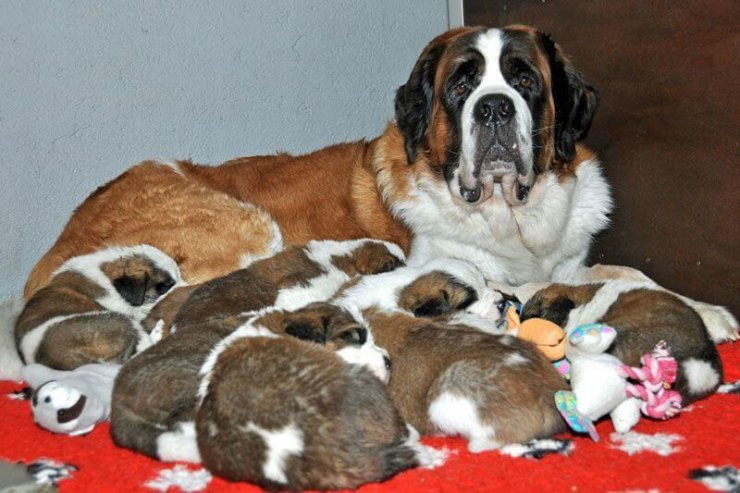
    Whelping is the act of a mother dog bringing her puppies into the world, and for giant breeds it carries both wonder and weight. Their sheer size means every contraction, every push, places a greater demand on her body than in smaller breeds. Puppy size, the mother’s uterine strength, and the narrowness of the birth canal all shape how smoothly or how slowly the process unfolds.

    But whelping is not just biology — it is an atmosphere you, as her human, create. You are more than a bystander; you are the protector and attuned guardian. That means two things:

    Protector: You set the environment. The room must feel safe, quiet, and free from interruptions. Strangers, noise, or rushing around can raise the mother’s stress level, which in turn makes labor harder. Being protector means shielding her from chaos, watching for dangers, and making sure nothing disrupts her instinct.

    Attuned Guardian: This is where your calm presence matters most. Dogs read energy. If you are anxious, she will mirror it. If you breathe deeply, move slowly, and speak softly, she will trust that she is safe. Being attuned also means knowing when to let her instincts lead — licking, nesting, nudging her pups — and when to step in gently if something isn’t right.

    Think of yourself as her steady anchor in a storm she must weather alone but not unsupported. Whelping is not just about puppies being born — it’s about guiding instinct with knowledge, protecting her sacred space, and carrying yourself with the calm confidence she will lean on when her strength falters.
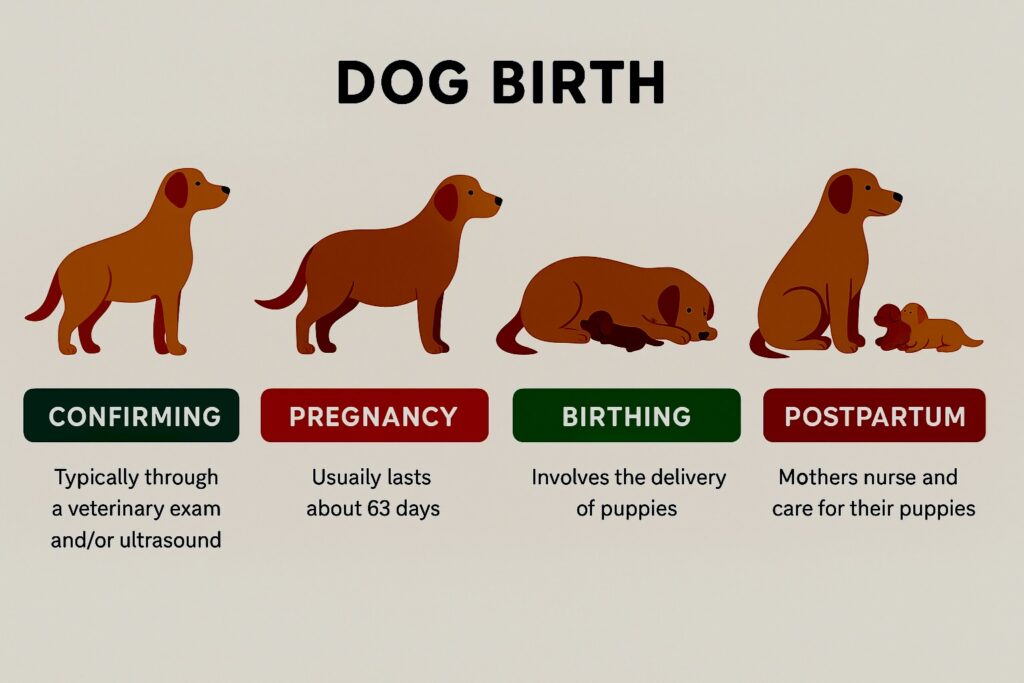

    📝 Whelping Mental Prep & Action Checklist

    📝 Whelping Mental Prep & Action Checklist

    Before Birth (Pregnancy Confirmed by Vet)

    • Stay Calm, Stay Curious: A vet confirmation means the journey has begun. Carry excitement, not panic.
    • Prepare the Space: Choose a quiet, draft-free room. This will be the whelping den — her sanctuary.
    • Gather Supplies: Whelping box or pin, clean towels, gloves, thermometer, puppy scale, heating pad (on low).
    • Educate Yourself: Read trusted guides, watch breeder-approved videos, and keep your vet’s number handy.

    Approaching Labor (Final Weeks)

    • Watch the Signs: Restlessness, nesting behavior, loss of appetite, and body temperature drop often signal labor within 24 hours.
    • Limit Stressors: Keep the environment familiar and routine. No new visitors, no loud noises.
    • Your Mental Posture: Walk slowly, speak softly, keep your energy low and steady. Dogs take their cues from you.

    During Labor (Active Whelping)

    • Protector Role: Shield her from interruptions. Keep other pets and curious hands away.
    • Guardian Role: Be present but not overbearing. Observe contractions, time intervals, and watch each pup’s arrival.
    • Intervene Only If Necessary: Most mothers manage well. Step in gently if a pup is stuck, the mother ignores a pup, or if labor stalls.

    Immediately After Birth

    • First Breath, First Nurture: Make sure each pup is breathing and nursing. Rub gently with a towel if needed.
    • Monitor the mother: Watch for signs of exhaustion, heavy bleeding, or distress. Stay in contact with your vet if anything seems unusual.
    • Quiet Confidence: Celebrate silently. Your calm voice and touch reassure her far more than cheering ever will.

    Post-Birth Care (First Weeks)

    • Puppy Monitoring: Weigh pups daily, check that all are nursing, and note any that fall behind.
    • Maternal Recovery: Ensure the mother eats well, stays hydrated, and rests with minimal disturbance.
    • Vet Check: Schedule a postnatal exam for both mother and litter.

    Longer-Term (Up to 6 Months)

    • Father’s Role: Introduce cautiously, if at all. Some sires are protective, others indifferent. Follow the mother’s lead.
    • Human Bonding: Handle pups gently from an early age to accustom them to touch but always respect the mother’s comfort.
    • Preparation for Homes: Begin socialization, basic handling, and introductions to household sounds. Keep records for each puppy’s growth and milestones.

    Symptoms (When Labor is Near)
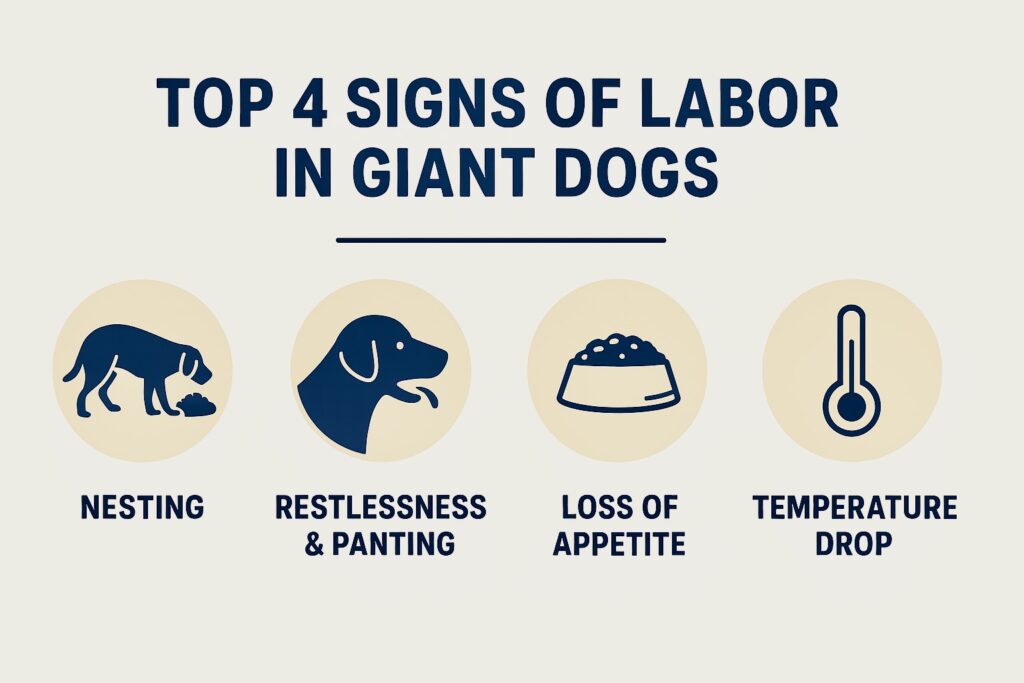
    When the moment is close, your giant-Dog mother will tell you—if you know what to look for. These are not vague “someday” signs of pregnancy. These are the red flags that birth is about to happen, often within hours:

    Nesting Behavior: She may dig at bedding, circle endlessly, or paw at corners as though building a den.

    Restlessness & Panting: Even in a quiet room, she cannot seem to settle. Pacing, panting, and looking back at her belly are her body’s way of saying, It’s time.

    Loss of Appetite or Clumsiness: Food suddenly seems unimportant. Some mothers stumble or shift awkwardly as contractions build.

    Temperature Drop: A rectal temperature falling below 100°F usually means labor will begin within 24 hours. This is one of the clearest early indicators.

    These signs matter especially for giant breeds, where timing is critical. Every hour counts when puppies are oversized and uterine strain is heavy.

    Immediate Owner Action:
    If you notice two or more of these signs together, call your veterinarian. Let them know your dog’s stage of pregnancy and the symptoms you’re observing. Even if everything is normal, your vet will appreciate being looped in before true labor begins.

    The Whelping Pen Readiness Check:
    By the time these symptoms appear, your whelping box should already be set. A sturdy plywood pen, 18 inches tall with a removable floor and “pig rails” (bars 4–6 inches off the ground), helps protect puppies from being accidentally crushed when mom shifts. Soft bedding layered over easy-to-clean flooring provides comfort without sacrificing sanitation.

    Your role here is to be calm and prepared, not reactive. These symptoms aren’t cause for panic, but they are your cue: the show is starting.


    📱 A Note on Whelping Apps

    In today’s app-driven world, there are digital tools designed to help owners through pregnancy and whelping. Apps like Breedera and PetPace can track heat cycles, predict due dates, log puppy weights, and monitor mom’s health data. These resources are helpful, especially for first-time breeders who want reminders and organized records.

    But here’s the truth: an app can’t replace a vet’s experience or your attentiveness to your dog’s unique needs. Every whelping is different, and things rarely go exactly to plan. Use apps as a guide but always prioritize what your vet advises and what your mother dog is showing you in real time. Calm presence, keen observation, and veterinary partnership matter more than any notification on your phone.


    Prevention
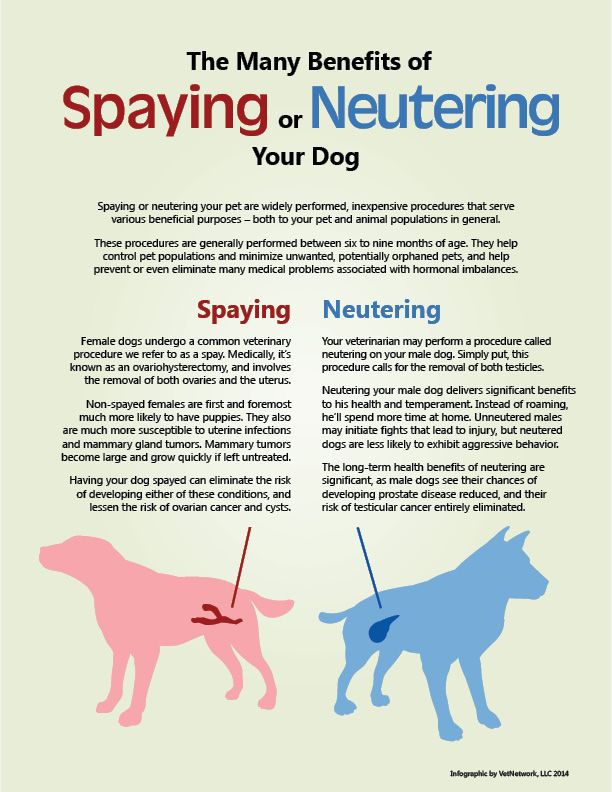
    If you do not want puppies, the most reliable prevention is spaying or neutering—timed with your vet’s guidance for giant breeds (often later than small dogs to protect joints and growth plates). Benefits include preventing accidental litters, pyometra (life-threatening uterine infection), and testicular cancer; early spays also significantly reduce mammary tumor risk.

    Spaying is for the Girls.

    Until surgery (or if you’re delaying it for growth):

    • Supervise outdoors; use secure, high fencing.
    • Leash at all times off property; no dog parks during heat.
    • Keep females in heat separated from intact males; consider doggy diapers/secure rooms.
    • ID + microchip up to date (roaming risk rises with hormones).

    Planned breeding only:
    If breeding is intentional, work with a reproduction vet, complete health testing (e.g., OFA/PennHIP and breed-specific cardiac/genetic screens), and have a whelping plan, emergency clinic route, and finances set before mating.

    A Rreproduction Vet (sometimes called a Theriogenologist) is a veterinarian who specializes in animal reproduction. They’re trained to manage fertility, pregnancy, whelping, and neonatal care.

    For giant breed dogs, a reproduction vet can:

    Confirm pregnancy through ultrasound or X-ray.

    Monitor the mother’s health and hormone levels.

    Advise on breeding timing, genetic risk factors, and safe delivery methods.

    Step in during high-risk births with C-sections or emergency care.

    In short: a reproduction vet is like an OB-GYN for dogs—they help ensure both the mother and puppies get through the pregnancy and birth as safely as possible.


    Resources & Education

    Books:

    • Canine Reproduction and Whelping: A Dog Breeder’s Guide — practical, filled with real-wold whelping scenarios and advice (Barnes & Noble)
    • Canine Reproduction and Neonatology by Dr. Marty Greer — trusted veterinary perspective
    • Breeding Better Dogs: Canine Breeding Management — comprehensive textbook from Virginia Tech experts (Virginia Tech News)

    Videos:

    Complete Guide To Whelping A Litter Of Puppies

    Preparing To Whelp A Litter Of Puppies

    These visual guides walk through labor progression, positioning, and early puppy care.


    🐾 Products That May Help (Whelping Preparedness Timeline)

    Bringing giant breed puppies into the world isn’t something you can rush. Preparation is your best safeguard — not only for the safety of the puppies, but also for the peace of mind of the human family. Think of this like planting a garden: you don’t wait until harvest season to gather tools. You plan weeks ahead, step by step.

    4–5 Weeks After Pregnancy Confirmation — Laying the Foundation

    At this point, your vet has confirmed the pregnancy. It’s time to prepare the physical space:

    • Whelping Box: Build one at home using plywood and “pig rails” (wooden slats 4–6 inches off the ground) to prevent pups from being accidentally crushed. Make sides at least 18” tall, a removable floor, and an easy-clean surface. Or purchase a ready-made giant breed box.
    • Washable Pads & Bedding: Start collecting thick, absorbent pads and blankets that can be washed daily.
    • Heat Source: Heating pads with adjustable thermostats, or heat lamps safely positioned. Puppies cannot regulate their temperature for the first few weeks.

    6–7 Weeks — Gathering Monitoring Tools

    Mom is starting to show, and puppies are developing quickly. This is when tools for observation and early intervention become vital:

    • Digital Thermometer: Monitor mom’s temperature twice a day. A drop below 100°F signals labor within 24 hours.
    • Emergency Kit (Scissors & Hemostats): For umbilical cords if mom doesn’t handle them.
    • Feeding Kit: Syringe, dropper, or spoon in case of weak pups.

    8 Weeks — Final Preparations

    Labor is coming soon. By now, your whelping area should be fully stocked:

    • Puppy Milk Replacer & Bottles: In case mom struggles with feeding.
    • Puppy Scale: Weigh pups daily; even slight weight loss is a red flag.
    • Puppy ID Collars: Color-coded and adjustable to tell puppies apart in large litters.

    9 Weeks — The Big Week

    Labor could begin any day. This is the stage where organization matters most:

    • Ensure the whelping pen is assembled and all supplies are within arm’s reach.
    • Keep vet’s phone number posted by the whelping area.
    • Double-check your first aid kit for fresh sterile gloves, lubricant, and disinfectant.

    Preparedness means you won’t be scrambling for supplies while your dog — and her puppies — need your calm presence.

    Whelping Supply Checklist

    Call the Vet

    Whelping is not a spectator sport — it’s a moment where your family becomes a calm, coordinated support team. One person tends to the mother, another watches the clock, and someone else keeps the vet’s number ready. If labor hasn’t started within two hours of the water breaking, if more than two hours slip by between puppies, if the mother strains without results, or if a pup seems stuck — pick up the phone. These are not “wait and see” moments. They are red flags for dystocia, a life-threatening complication where both mom and puppies can be lost if swift action is not taken.
    👉 Your vigilance can save lives.


    Veterinary Treatment

    When you call, your vet may instruct you to bring the mother in immediately. Once there, treatment depends on the emergency:

    • A cesarean section may be performed if the birth canal is too tight or the puppies are oversized.
    • IV fluids, glucose, or calcium may be administered to strengthen contractions and restore mom’s stamina.
    • For struggling pups, the veterinary team may resuscitate them with oxygen or specialized equipment.

    Preparation is everything. Know the location of your nearest 24/7 clinic, and practice how you would transport both mom and pups if you had to leave suddenly. Minutes matter in these situations, and confidence in your plan eases panic.


    🚨 Contingency Plan: Transporting a Pregnant Giant Dog

    Every giant-breed owner should prepare for the possibility that their dog may need emergency transport to the vet during labor. At 120+ pounds, a distressed, pregnant dog cannot simply be lifted into the car like a terrier. Planning weeks 6–7 of pregnancy should include not just supplies for whelping at home, but also a transport strategy you hope you never need.

    It is a good idea to think of layering things like transport blankets and possibly ramps under your giant mother to make picking her up is needed easier. Or perhaps putting a carry harness on her so that it’s in place if it is needed.  

    Step 1 – Equipment Ready

    • Large dog sling or stretcher: Many pet supply stores carry slings with handles for team lifting. A sturdy blanket or board can substitute in a pinch.
    • Non-slip mat or sheet: Place beneath her to prevent slipping when carrying.
    • Travel crate or lined vehicle area: Ideally, your car should already have a safe, padded space cleared.

    Step 2 – The Human Team

    • Moving a giant dog requires two or more people. One supports the chest, the other the hindquarters, keeping her spine and belly level.
    • Speak calmly, move slowly, and minimize stress — a panicked lift can worsen contractions or risk injury.

    Step 3 – Puppies Already Born?

    • Wrap each pup in a warm, dry towel and place them in a secure box or laundry basket lined with bedding.
    • Keep them close but separate during the drive — this protects them from being crushed while mom is moved.

    Step 4 – The Car Ride

    • Lay the mother on her side in the car on a blanket or mat, giving her room if more pups are delivered en route.
    • Bring your whelping kit along — gloves, towels, bulb syringe, and a heat source — in case immediate assistance is needed before you reach the clinic.

    Step 5 – Communication

    • Call the vet before leaving so the clinic is ready with staff and equipment.
    • Assign one person to focus solely on the mother, while another monitors the puppies during the ride.

    👉 This is not just logistics; it’s about calm, coordinated action under stress. If you prepare ahead of time, you’ll avoid frantic improvisation when your dog and her newborns need you most.

    Emergency Transport Checklist


    Home Remedies

    Not every challenge requires rushing out the door. Some are about steady, loving presence:

    • Keep the room quiet, with soft light and low music to soothe the mother’s stress.
    • Use a clean towel to wipe airways clear when a puppy is born, encouraging their first breath.
    • Dry pups thoroughly and nestle them against their mother’s warmth to trigger nursing instincts.
    • If a newborn is frail, create a makeshift incubator with a warm water bottle wrapped in towels — a bridge of warmth until the pup gains strength.

    These remedies don’t replace veterinary care, but they buy precious time and comfort in critical moments. Above all, they help you act with purpose instead of panic.


    Risk Factors

    For giant breeds, birth is rarely straightforward. Their sheer size makes everything larger—the labor, the strain, and the risk. A 120-pound mother carrying oversized puppies may struggle to push them through a narrowed birth canal. Smaller litters often mean bigger puppies, which can add to the difficulty. And if mom has endured a difficult delivery before, her stress memory may resurface, making this labor even harder. Recognizing these risk factors ahead of time allows you to prepare for the possibility of intervention rather than being caught off guard.


    Genetic & Breed Considerations

    Every breed carries its own genetic story. Giant breeds are not immune to inherited complications—hip or joint weakness, narrow hips, or smaller-than-average litters that produce oversized pups. Breed clubs often publish guidance from decades of experience; seek out their resources. Talking to a breeder mentor or reproductive vet can give you a clearer picture of what your specific breed is most likely to face in the whelping box. Knowledge here is not optional—it’s protective.


    Psychological Factors

    A mother dog’s state of mind matters as much as her physical condition. If her environment feels unsafe, unfamiliar, or noisy, anxiety can stall labor or cause aggression. She needs her den—a space that feels protected, private, and calm. Expect her to tire easily; giving her peace for rest and bonding with her pups is as much a responsibility as providing clean bedding. When you guard her mind, you guard her body and her puppies.


    Surgical Options

    Sometimes, instinct and support aren’t enough. Cesarean sections are common in giant breeds, especially if puppies are too large or labor fails to progress. That’s why it’s crucial to have an emergency plan with your vet in advance. Anesthesia for giant dogs carries its own risks, and the timing of surgery is critical for puppy survival. In the rare event of orphan care, you’ll need supplies for bottle or tube feeding—because when life hangs in the balance, preparation is the only safety net.


    Monitoring

    Birth isn’t the finish line—it’s the start of another journey. Puppies should be weighed daily, as even a small weight loss can be a red flag. Keep logs of the mother’s and puppies’ temperatures, track nursing times, and note if any pup seems weak or fails to nurse within 12–24 hours. Developmental milestones—eyes opening, first wobbly steps, and the gradual weaning process—should all be written down, forming a record of health and growth up to six months. Monitoring is not just observation; it’s early detection and, sometimes, the difference between thriving and failing.

    Whelping Monitoring Log


    Emergency Contacts

    In moments of crisis, numbers save lives. Your vet’s number should be pinned on the wall of your whelping room and saved in your phone under your dog’s name. Have a 24/7 emergency clinic on speed dial. If you’ve consulted a reproductive vet, include their contact too. Even breed or kennel clubs can be valuable lifelines in an emergency. For owners, our Emergency Care article and the downloadable Emergency Contact Sheet provide a ready-made guide—don’t just read them, use them.


    Final Word

    Whelping is more than a biological process—it’s a passage into life itself. With a sturdy whelping box, preparation timed to the week, and a plan for every “what if,” you’re not standing on the sidelines of this miracle—you’re its steward. Each breath, each cry, each tiny heartbeat depends on the calm, focused presence of the one who promised to protect them: you.

    the logo Giant Breeds
    Giant Breeds, Big Dogs Big Hearts

  • How to Handle Emergency Care for Your Giant Breed Dog

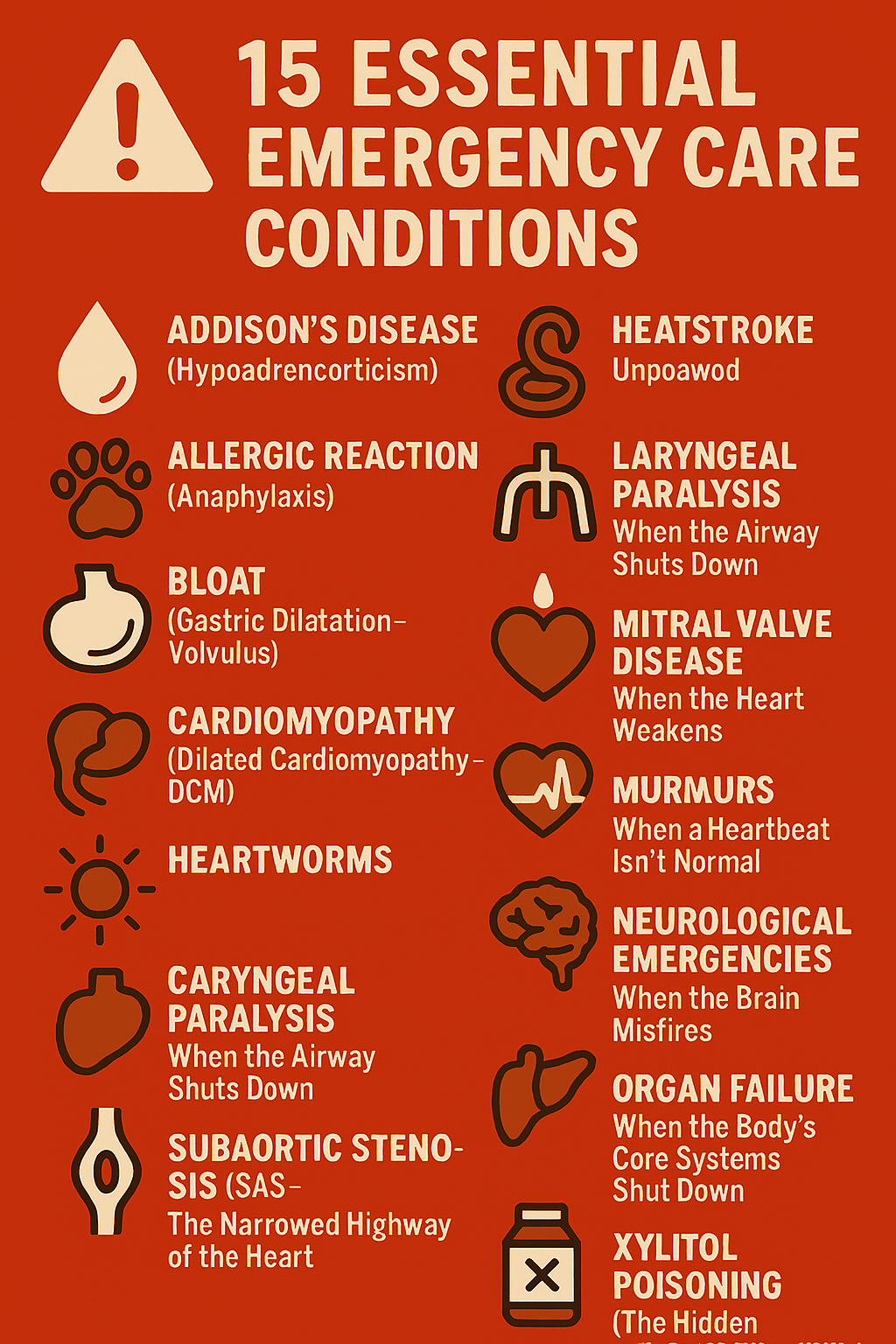
    Emergency Care Conditions for Giant Breeds

    Definition

    Emergency conditions are sudden, severe health problems that require immediate veterinary intervention to prevent lasting harm or even death. These situations go beyond routine illness and often involve rapid changes in breathing, circulation, or consciousness.

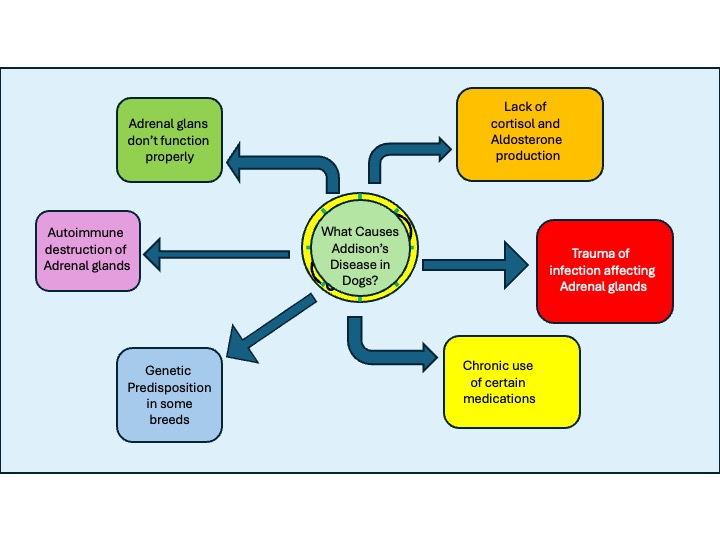
    1. Addison’s Disease (Hypoadrenocorticism)
    Imagine a usually energetic giant breed who suddenly becomes weak, shaky, and refuses food. His gums look pale, his body trembles, and he collapses without warning. This may be the onset of an Addisonian crisis—a silent disease turning into a full-blown emergency.

    What Addison’s Really Means
    Addison’s occurs when the adrenal glands fail to produce enough hormones (mainly cortisol and aldosterone) that regulate stress and salt balance. Without them, the body’s systems crash.

    Why Giant Breeds Are at Risk
    While more common in certain breeds like Standard Poodles, Portuguese Water Dogs, and some retrievers, Addison’s can appear in giant breeds, too. Because their symptoms often look like simple “tiredness” or upset stomach, it’s easy to overlook until crisis strikes.

    Why It’s Deadly
    An Addisonian crisis causes sudden collapse, dangerously low blood pressure, and heart arrhythmias. Without IV fluids and emergency steroid therapy, it can be fatal within hours.

    Key Takeaway
    Addison’s hides in plain sight with vague symptoms. Knowing that sudden collapse and weakness can mean Addison’s may save your dog’s life.


    2. Allergic Reaction (Anaphylaxis)
    One moment your dog is scratching at a bee sting, and the next his face swells, his breathing becomes labored, and panic sets in. This is no ordinary itch—it’s an allergic emergency.

    What It Really Means
    An allergic reaction occurs when the immune system overreacts to a trigger like insect bites, medications, or certain foods. While mild cases may mean hives or itching, severe cases cause anaphylaxis: a full-body shock response.

    Why Giant Breeds Are at Risk
    Large surface area, thick coats, and curious personalities mean giant breeds run into insects, plants, and allergens often. Their size sometimes fools owners into thinking they’re “too tough” to be affected, but they’re just as vulnerable.

    Why It’s Deadly
    Anaphylaxis causes blood vessels to leak, airways to swell, and blood pressure to crash. Without immediate veterinary intervention (epinephrine, oxygen, IV support), dogs can suffocate or go into shock.

    Key Takeaway
    Not all allergic reactions are minor. Swelling, collapse, or breathing difficulty after a sting, bite, or exposure means an emergency trip to the vet—right now.


    3. Bloat (Gastric Dilatation-Volvulus)
    Picture a giant breed dog after dinner—tail wagging, belly full, ready for a nap. But instead of snoozing, he starts pacing, drooling, and trying to vomit with nothing coming up. This is often the first sign of a condition called bloat, one of the most dangerous emergencies a dog can face.

    What Bloat Really Means

    • Bloat (Gastric Dilatation): The stomach fills with gas, food, or liquid and expands.
    • Volvulus (the twist): In many cases, the stomach flips on itself, cutting off blood flow and trapping air. This is life-threatening within hours.

    Why Giant Breeds Are at Risk
    Dogs with deep chests (Great Danes, Saint Bernards, Newfoundland’s, Mastiffs, etc.) have extra room in their abdomen, making it easier for the stomach to rotate. In fact, Great Danes have the highest risk of all breeds, with some studies suggesting up to 1 in 4 will experience bloat in their lifetime.

    Why It’s Deadly
    When the stomach twists, blood supply to the stomach and spleen is cut off, toxins build, and shock sets in quickly. Without immediate veterinary care, the outcome is almost always fatal.

    Key Takeaway
    Bloat is more than “a tummy ache.” It’s a ticking clock emergency. Understanding what it is—the anatomy behind it—prepares you to act fast.


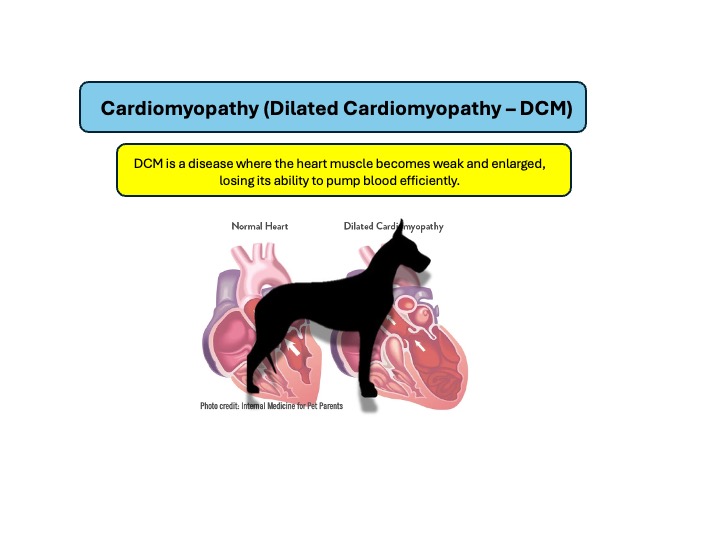
    4. Cardiomyopathy (Dilated Cardiomyopathy – DCM)
    Your giant breed trots happily alongside you one day. The next, he’s coughing, struggling to breathe, or collapsing mid-walk. His heart—once powerful—is now failing silently.

    What It Really Means
    DCM is a disease where the heart muscle becomes weak and enlarged, losing its ability to pump blood efficiently. The result is fluid backup into the lungs and body, and eventually, heart failure.

    Why Giant Breeds Are at Risk
    DCM is tragically common in giant breeds—Great Danes, Dobermans, Newfoundlands, and Irish Wolfhounds are high-risk. Some cases may be diet-related (linked to certain grain-free diets lacking taurine), while others are genetic.

    Why It’s Deadly
    DCM progresses quietly until the heart can no longer keep up. Sudden collapse, arrhythmias, and congestive heart failure can strike with little warning. Without medication, most dogs decline rapidly.

    Key Takeaway
    A strong heart is a giant breed’s engine. If you notice coughing, fatigue, or fainting, don’t brush it off—these could be the first signs of DCM.


    5. Heartworms
    Picture your dog panting heavily after a light walk, coughing with a strange rattle in his chest. He’s not just “out of shape”—he may be battling worms in his very heart.

    What It Really Means
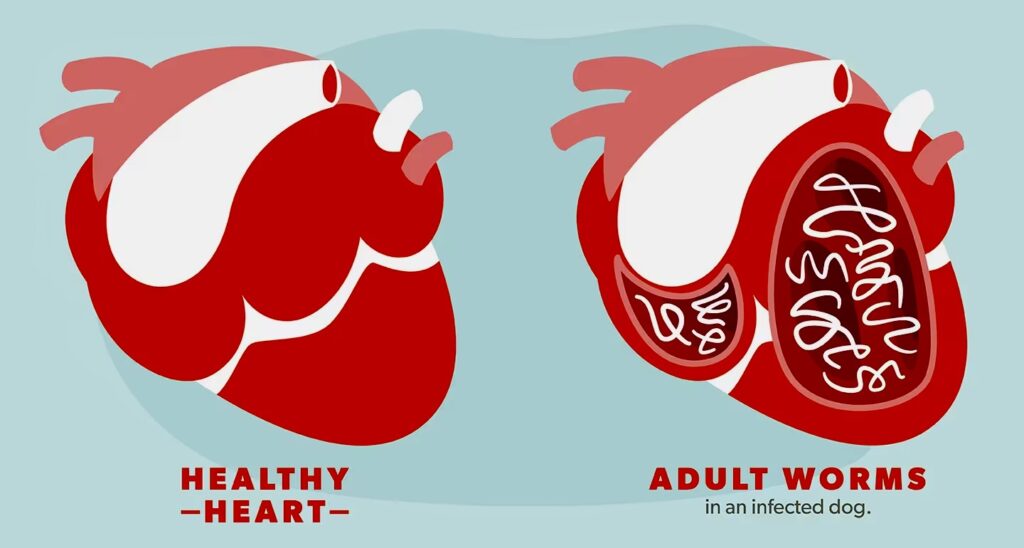
    Heartworms are parasitic worms transmitted by mosquito bites. They live in the heart and lungs, growing up to a foot long, and can cause irreversible organ damage.

    Why Giant Breeds Are at Risk
    Because of their size, giant breeds can sometimes harbor a large worm load before symptoms show. Owners may also delay prevention because the dog is “mostly indoors” or because of the cost of larger doses.

    Why It’s Deadly
    Untreated heartworm disease causes heart failure, lung damage, and death. Treatment itself carries risk because killing adult worms can cause dangerous blockages in blood vessels. Prevention is far safer than cure.

    Key Takeaway
    A single mosquito bite can lead to a deadly infestation. Monthly prevention isn’t optional—it’s life insurance for your giant breed.


    6. Heatstroke
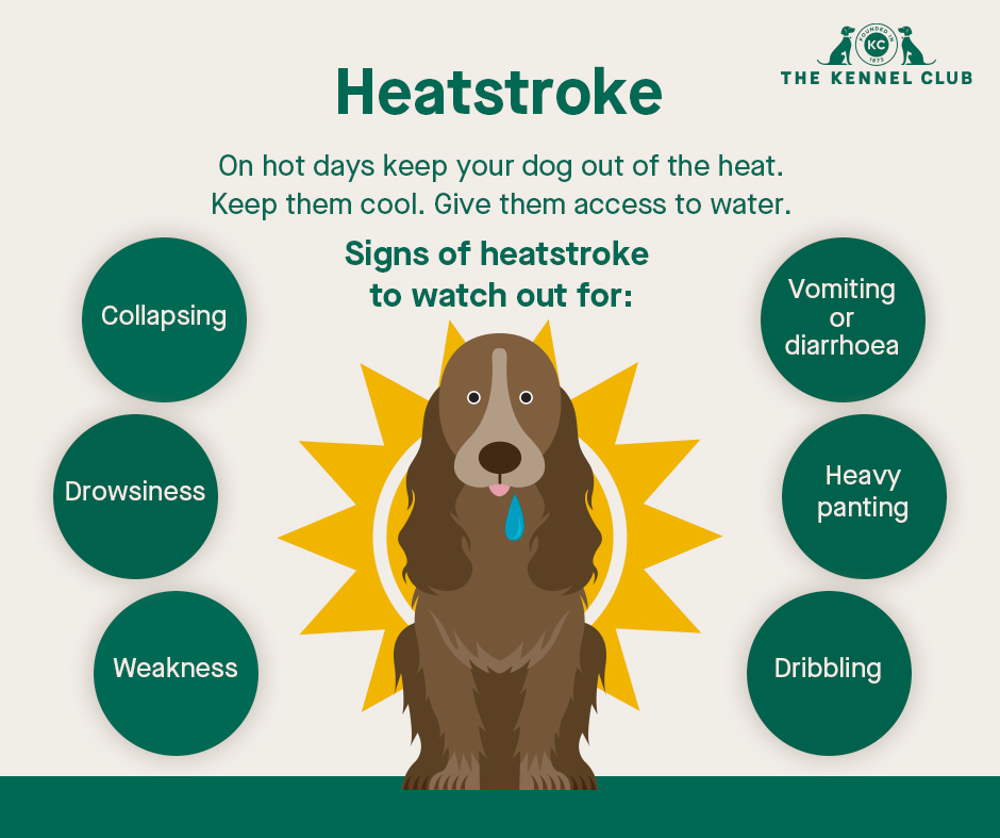
    A hot summer day, a playful fetch session, and suddenly your giant breed collapses in the grass—panting hard, gums turning dark red. This isn’t exhaustion. It’s heatstroke.

    What It Really Means
    Heatstroke occurs when a dog’s body temperature rises beyond safe limits (104°F+), overwhelming its ability to cool down. Internal organs begin to fail rapidly.

    Why Giant Breeds Are at Risk
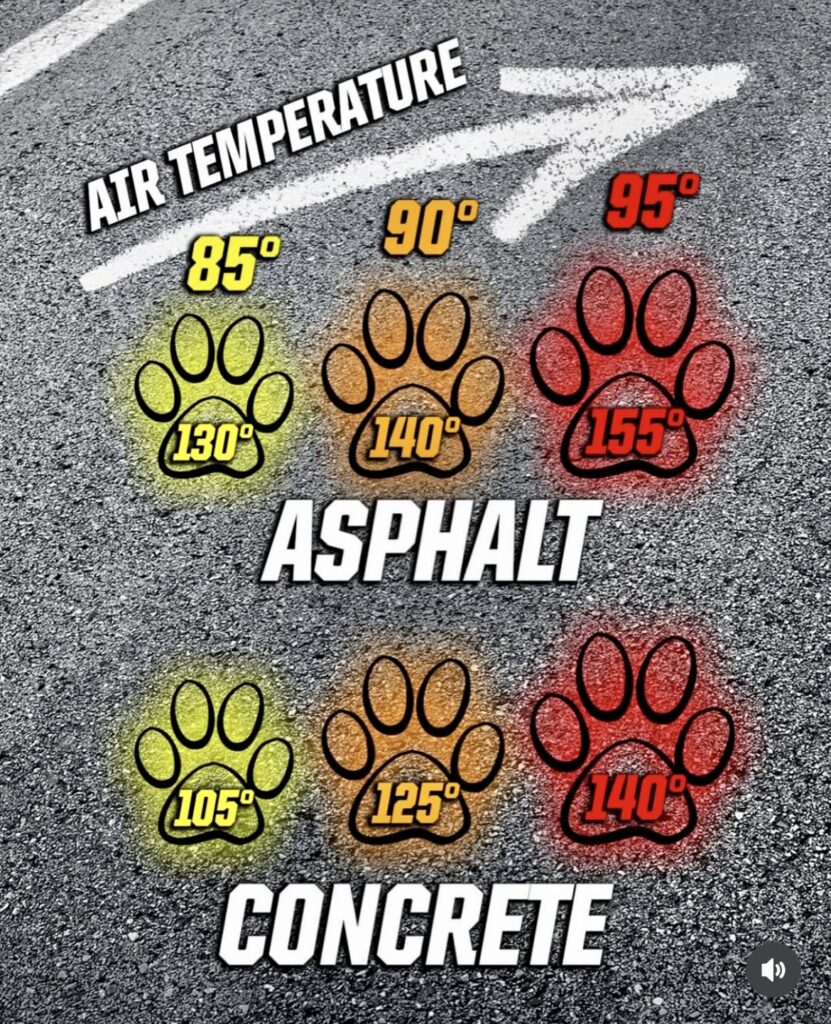
    With thick coats, large mass, and lower heat tolerance, giant breeds overheat much faster than smaller dogs. Add high humidity, exercise, or confinement in a car, and danger escalates quickly.

    Why It’s Deadly
    Heatstroke can kill within minutes. Once body temperature soars, cells break down, leading to organ failure, brain damage, and death. Even survivors often face lasting damage.

    Key Takeaway
    If your dog collapses on a hot day, don’t wait—cool them immediately (wet towels, fans, cool water—not ice) and rush to the vet. Heat kills fast.


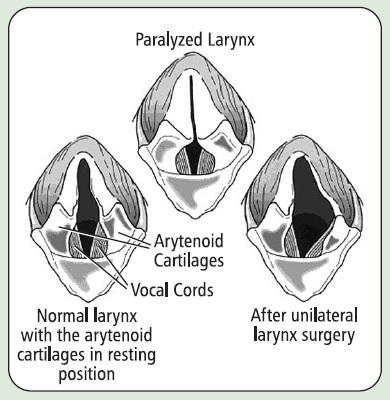
    7: Laryngeal Paralysis (When the Airway Shuts Down)
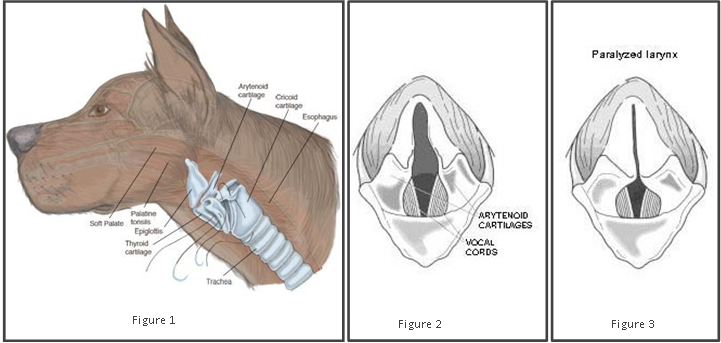
    Imagine your giant dog on a warm day. He’s panting after a walk, but instead of recovering, the panting turns into loud, raspy breathing. His tongue may start to look pale or even bluish. This could be laryngeal paralysis, a frightening condition where the airway can literally collapse.

    What Laryngeal Paralysis Really Means

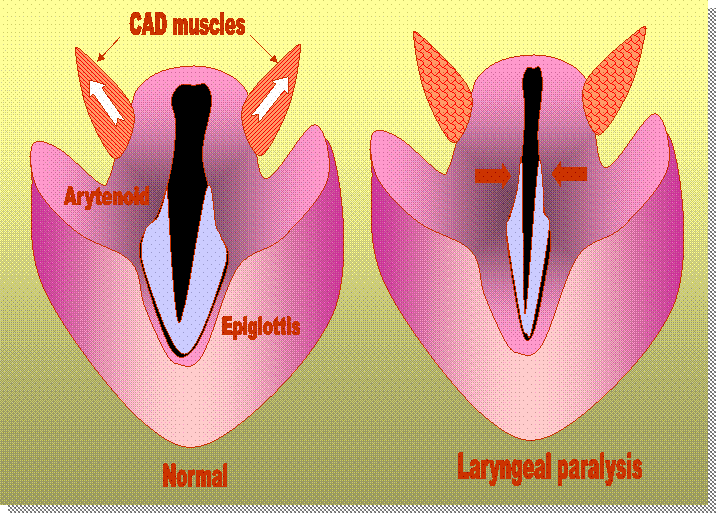
    • The Mechanics: The larynx (voice box) has small flaps that open and close with each breath. In laryngeal paralysis, these flaps don’t work properly.
    • The Risk: Airflow becomes restricted, especially during stress, heat, or exertion. In a crisis, the dog may not be able to breathe at all.

    Why Giant Breeds Are at Risk
    This condition is more common in older large and giant breeds such as Newfoundlands, Saint Bernards, and Labrador Retrievers. Because of their size, when airway obstruction happens, it escalates rapidly.

    Why It’s Deadly
    A mild case may look like noisy breathing, but a severe episode can quickly become fatal due to oxygen deprivation. Panic worsens the obstruction.

    Key Takeaway
    Any sudden change in your dog’s breathing should be treated as an emergency. Laryngeal paralysis can’t wait—oxygen and surgical intervention are often needed.


    8: Mitral Valve Disease (When the Heart Weakens)
    Your dog coughs after lying down, tires quickly on walks, and seems restless at night. For giant breeds, these subtle signs may indicate mitral valve disease, a heart condition that can progress to life-threatening failure.

    What Mitral Valve Disease Really Means

    • The Valve Leak: The mitral valve, which controls blood flow between the heart chambers, starts to weaken and leak.
    • The Result: Blood flows backward, forcing the heart to work harder until it enlarges and weakens.

    Why Giant Breeds Are at Risk
    Although smaller breeds often develop this first, large and giant breeds with existing cardiac issues (like DCM or murmurs) can deteriorate quickly once mitral valve disease advances.

    Why It’s Deadly
    In its late stages, the heart can no longer circulate enough oxygen-rich blood. Pulmonary edema (fluid in the lungs) causes respiratory distress that requires emergency care.

    Key Takeaway
    Don’t ignore coughing, lethargy, or fainting spells. Mitral valve disease can smolder for years but reach a tipping point overnight.


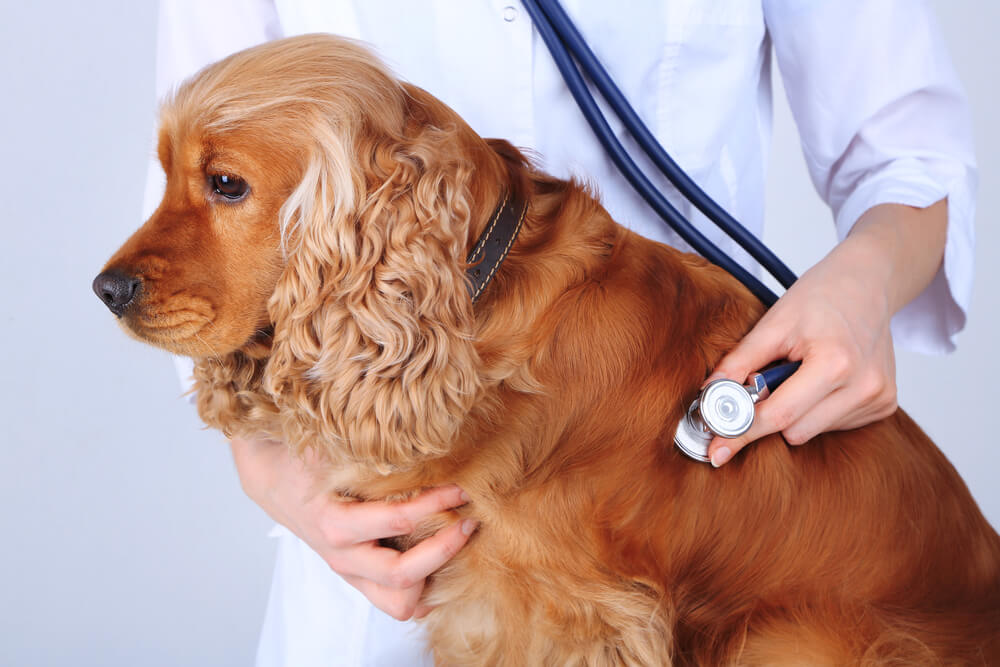
    9: Murmurs (When a Heartbeat Isn’t Normal)
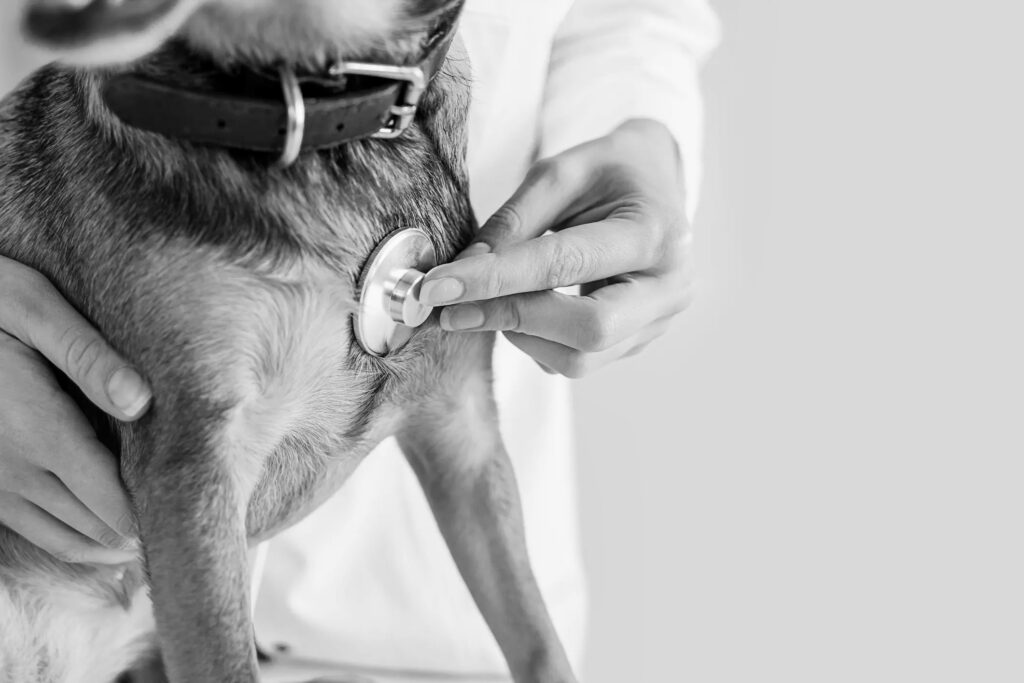
    During a routine checkup, your vet leans in with the stethoscope and frowns. They’ve heard a heart murmur—an irregular whooshing sound in the heartbeat. Sometimes harmless, but sometimes, it’s the first warning of something far more serious.

    What Heart Murmurs Really Mean

    • The Sound: Murmurs are caused by turbulent blood flow in the heart.
    • The Spectrum: Some are innocent, especially in puppies. Others point to structural heart disease, infections, or valve problems.

    Why Giant Breeds Are at Risk
    Because large dogs are prone to conditions like dilated cardiomyopathy (DCM) and subaortic stenosis (SAS), a murmur often signals the beginning of these diseases.

    Why It’s Deadly
    A new or worsening murmur can precede heart failure, fainting, or sudden collapse. Emergencies often arise when the underlying disease escalates unseen.

    Key Takeaway
    A murmur is not just a sound. For giant dogs, it’s a red flag that demands immediate investigation.


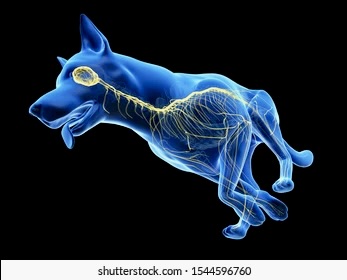
    10: Neurological Emergencies (When the Brain Misfires)
    Your dog suddenly collapses, trembles violently, or stares blankly into space, unresponsive. These terrifying episodes point to neurological emergencies—crises involving the brain, nerves, or spinal cord.

    What Neurological Emergencies Really Mean

    • Seizures: Sudden bursts of uncontrolled brain activity.
    • Collapse or Paralysis: Could be spinal injury, stroke, or toxin exposure.
    • Disorientation: Wobbling, circling, or sudden blindness.

    Why Giant Breeds Are at Risk
    Genetic conditions (like Wobbler syndrome in Great Danes), head trauma, or even tumors occur more often in larger dogs simply due to their size and structure.

    Why It’s Deadly
    A single seizure may pass—but cluster seizures, prolonged convulsions, or paralysis mean the brain is in crisis. Oxygen deprivation or brain swelling can quickly turn fatal.

    Key Takeaway
    Any sudden neurological change is an emergency. Seconds matter when the brain misfires.


    11: Organ Failure (When the Body’s Core Systems Shut Down)
    Your dog refuses food, vomits repeatedly, or collapses in weakness. These can be the subtle but dangerous signs of organ failure, where vital systems like the liver or kidneys stop functioning.

    What Organ Failure Really Means

    • Kidney Failure: The body can’t filter waste.
    • Liver Failure: Toxins build up rapidly.
    • Acute vs. Chronic: Sudden collapse is especially deadly, as the body cannot compensate.

    Why Giant Breeds Are at Risk
    Their size predisposes them to metabolic strain, drug sensitivities, and diseases that affect vital organs. Acute infections or toxins (like antifreeze) can overwhelm them faster.

    Why It’s Deadly
    Once organs shut down, cascading failure occurs—circulation, breathing, and consciousness collapse. Emergency treatment may save them, but only if caught early.

    Key Takeaway
    Refusing food, sudden weakness, or collapse should never be dismissed. Organ failure is silent until it’s nearly too late.


    12: Patent Ductus Arteriosus (A Hidden Heart Defect)
    A playful puppy tires out too quickly, pants excessively, or fails to gain weight. These subtle signs may be due to patent ductus arteriosus (PDA), a congenital heart defect that sometimes doesn’t show until a crisis strikes.

    What PDA Really Means

    • The Open Vessel: In the womb, puppies have a duct (ductus arteriosus) that bypasses the lungs. Normally, it closes after birth.
    • The Problem: If it doesn’t close, blood flows abnormally, straining the heart and lungs.

    Why Giant Breeds Are at Risk
    Though more common in smaller dogs, PDA in giant breeds is especially dangerous because of the sheer workload their massive hearts must endure.

    Why It’s Deadly
    If untreated, PDA leads to congestive heart failure. In severe cases, collapse and death may occur during exertion.

    Key Takeaway
    A puppy that “can’t keep up” may have more than just growing pains. Early diagnosis and surgery can be lifesaving.


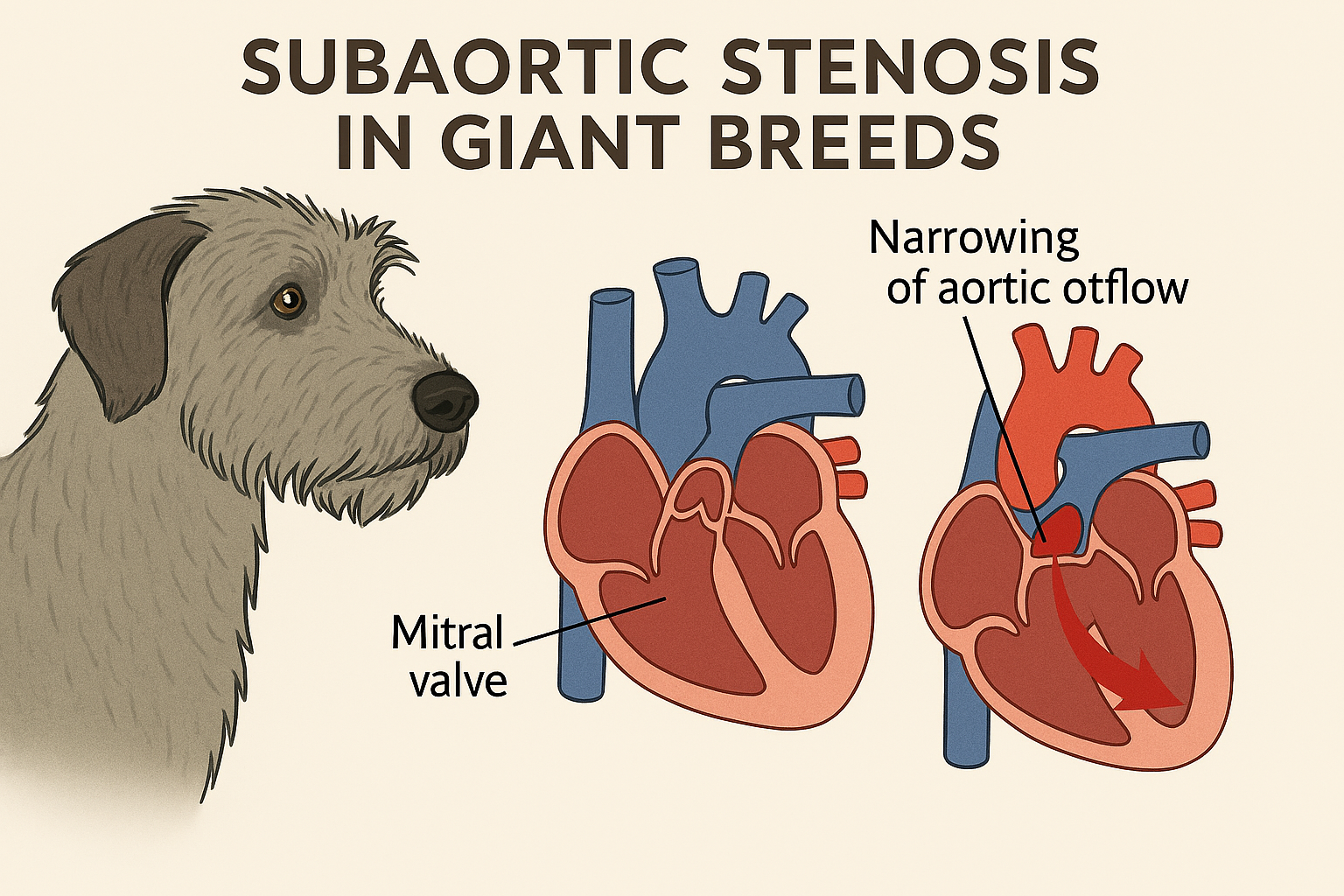
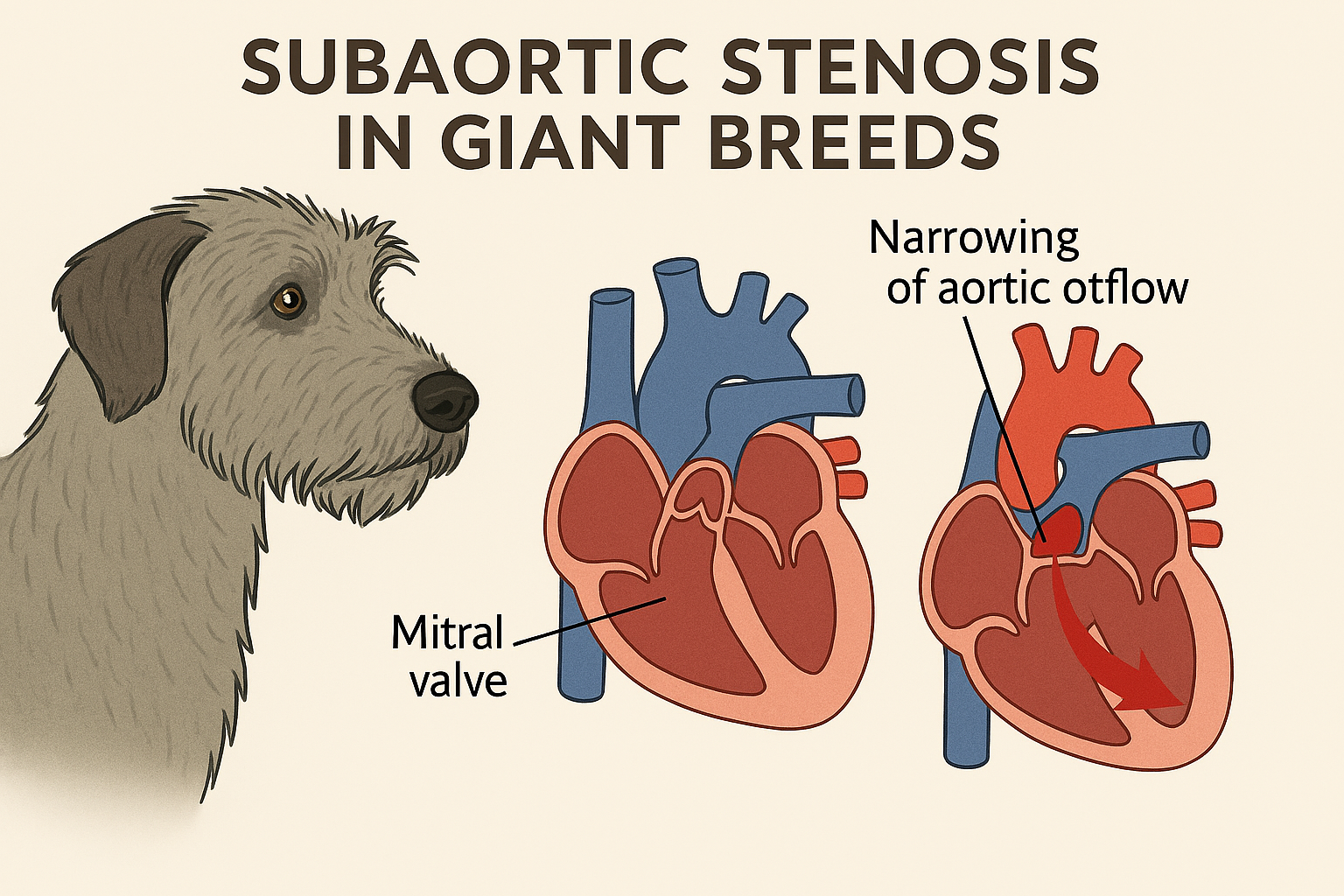
    13: Subaortic Stenosis (SAS – The Narrowed Highway of the Heart)
    A young giant breed seems fine until one day he collapses after exercise. This tragic and sudden event may be due to subaortic stenosis (SAS), a congenital defect that narrows the outflow of blood from the heart.

    What SAS Really Means

    • The Narrowing: A ring of tissue below the aortic valve blocks blood flow.
    • The Strain: The heart must pump harder, enlarging over time.

    Why Giant Breeds Are at Risk
    Breeds like Newfoundlands, Rottweilers, and Golden Retrievers are predisposed. Giants with this defect may not show symptoms until collapse or sudden death.

    Why It’s Deadly
    SAS often causes fainting, arrhythmias, and heart failure. In severe cases, sudden death may be the first sign.

    Key Takeaway
    SAS is a silent killer in giants. Genetic screening and early veterinary evaluation save lives.


    14: Sunburn (More Dangerous Than It Looks)
    It seems harmless—your giant dog dozing in the yard on a sunny day. But hours later, his skin is red, blistered, and painful. Severe sunburn isn’t just uncomfortable—it can tip into shock.

    What Sunburn Really Means

    • Skin Damage: UV rays burn the skin, just like in humans.
    • Secondary Dangers: Severe burns lead to dehydration, infection, and systemic illness.

    Why Giant Breeds Are at Risk
    Dogs with thin coats, light skin, or shaved fur are most vulnerable. Giants suffer more because of their sheer surface area, meaning greater fluid loss.

    Why It’s Deadly
    Severe burns can trigger shock, fever, and organ stress. A sunburn that seems superficial may spiral into an emergency overnight.

    Key Takeaway
    Shade, sunscreen, and limiting sun exposure are essential. Giants don’t bounce back from burns easily.


    15: Xylitol Poisoning (The Hidden Sweetener That Kills)
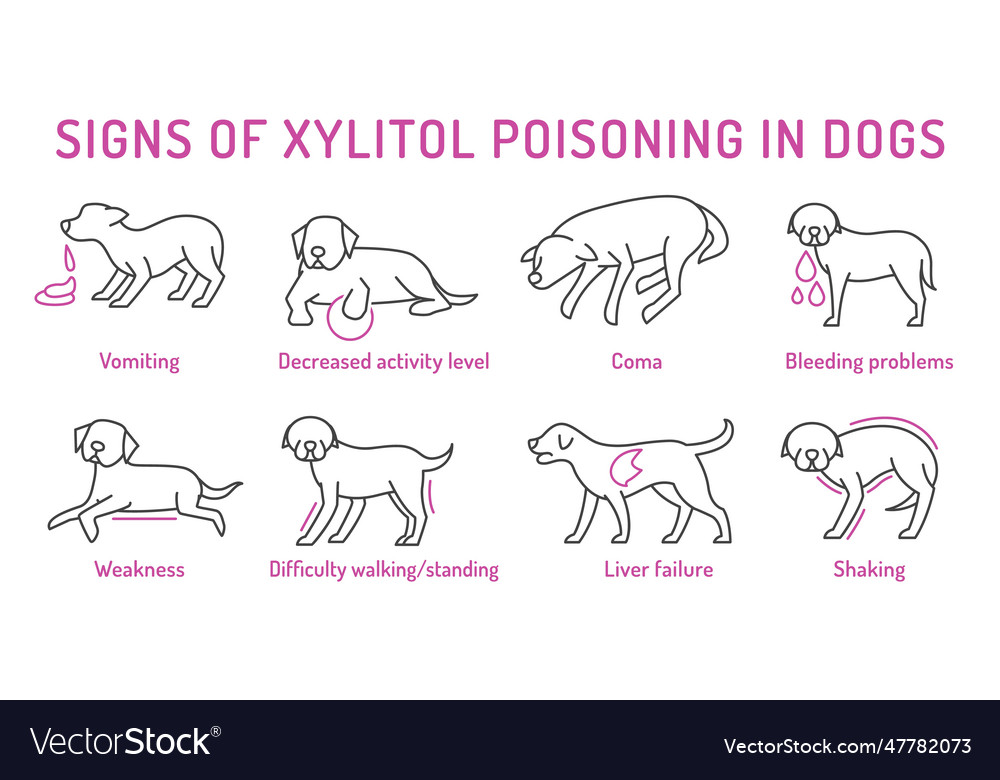
    You drop a piece of gum, and before you can stop him, your dog gobbles it up. Harmless, right? Not if it contains xylitol—a sugar substitute that can be lethal to dogs in minutes.

    What Xylitol Poisoning Really Means

    • The Toxin: Xylitol tricks the pancreas into releasing massive amounts of insulin.
    • The Crash: Blood sugar plummets, causing seizures, collapse, or coma.
    • The Aftermath: Even if sugar levels recover, liver failure may follow.

    Why Giant Breeds Are at Risk
    A single piece of gum may not harm a Mastiff, but larger doses scale quickly with their size. Owners often underestimate the danger, assuming “big dog = higher tolerance.”

    Why It’s Deadly
    Onset is rapid. Within 15–30 minutes, a dog may collapse. Without immediate veterinary intervention, survival chances plummet.

    Key Takeaway
    Xylitol is one of the most dangerous toxins for dogs—big or small. If ingestion happens, don’t wait. Go to the vet immediately.


    Prevention: Reducing the Risk of Emergencies in Giant Breeds

    The best defense against emergencies is preparation and awareness. Start with your dog’s medical history and risk factors—breed, genetics, and age all play a role. Giant breeds, for example, are more prone to heart disease, bloat, and orthopedic conditions. Knowing these tendencies allows you to anticipate problems before they strike.

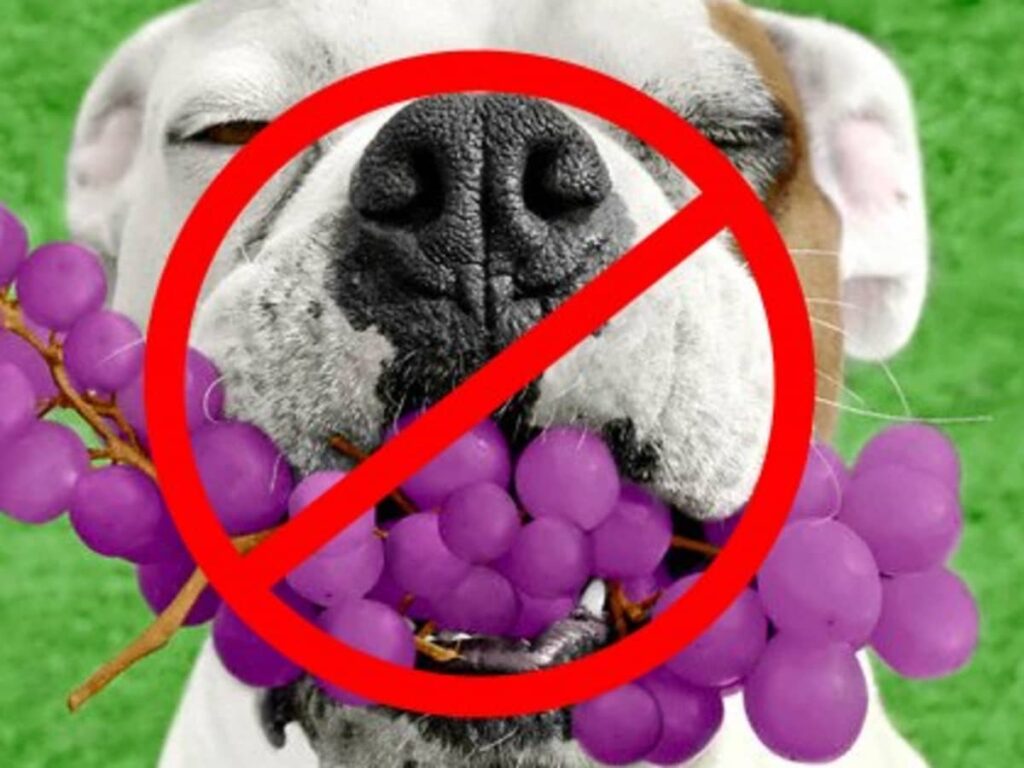
    Everyday care also matters. Keep toxic substances—like xylitol, grapes, onions, and certain medications—well out of reach, since even small amounts can cause life-threatening reactions. In warm weather, avoid overheating and overexertion; giant breeds are especially vulnerable to heatstroke because of their size and reduced cooling efficiency.

    Finally, regular veterinary checkups are one of the most powerful tools for prevention. Routine screenings can catch early signs of heart disease, organ dysfunction, or endocrine issues like Addison’s disease—conditions that may not show symptoms until they’re already dangerous. Staying proactive with your vet means you’re not just reacting to emergencies but actively working to prevent them.


    Products That Might Help

    Imagine setting out on a long journey without a compass, water, or even shoes — unthinkable, right? Yet many people bring a giant dog into their lives without gathering the tools that might save the animal in a crisis. Emergencies don’t politely knock; they arrive with the suddenness of a summer storm. Having a few essentials within reach can shift the outcome from disaster to relief.

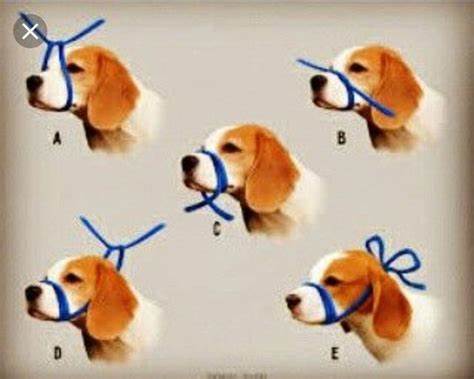
    A pet first aid kit is the foundation. Inside, you’ll find the humble but life-saving tools: a digital thermometer to check for fever or overheating, rolls of bandages for cuts or sprains, and even an emergency muzzle. (Yes, even the gentlest dog might snap if they’re in pain — this isn’t aggression, but survival instinct.) A small box with these items on hand is less about being a veterinarian and more about buying yourself time until the real professionals step in.

    For giant breeds, the danger of overheating is always lurking. Here, cooling mats can be more than just a summer luxury — they are lifelines when temperatures rise. Picture a Newfoundland or a Mastiff sprawled across one, the heat draining away from their massive frame, the difference between panting despair and quiet recovery.

    Some dogs, especially those with pale or thin coats, need what we often forget to imagine: sun protection. Yes, just like humans. Sensitive noses, ears, and bellies can burn, and shade isn’t always enough. A dab of pet-safe sunscreen or a lightweight cover can spare them the agony of scorched skin.

    And then there are the invisible enemies: parasites. Preventive heart worm medication and flea/tick protection sound boring compared to bandages and ice packs, but in truth, these are the quiet heroes. A single mosquito bite can deliver heartworm larvae, a single tick can pass on Lyme disease. Preventive medicine is the unglamorous armor that keeps your dog safe from battles you’ll never even see.

    None of these products are expensive or exotic. They are like the fire extinguisher in your kitchen — rarely needed, but invaluable in the moment of crisis. To live with a giant breed is to accept both the joy of their companionship and the responsibility of being their protector. And protection begins with preparation.


    Call the Vet

    Imagine this: you’ve just cooled your dog with wet towels, lifted his tongue so he can breathe better, or wrapped his paw where the bleeding started. You’ve done everything right — but now comes the most important step. Call the veterinarian.

    Why? Because first aid is only a bridge; it’s not the destination. Your dog may look calmer, even stand up again, but what you can’t see is what’s happening inside — blood loss you can’t measure, toxins you can’t flush, organs straining to keep pace. That’s where the vet steps in with tools and medicines far beyond a home kit.

    Think of it this way: calling the vet is like handing the steering wheel to a trained pilot just as the storm gets rough. You kept the plane in the air; now let them land it safely.

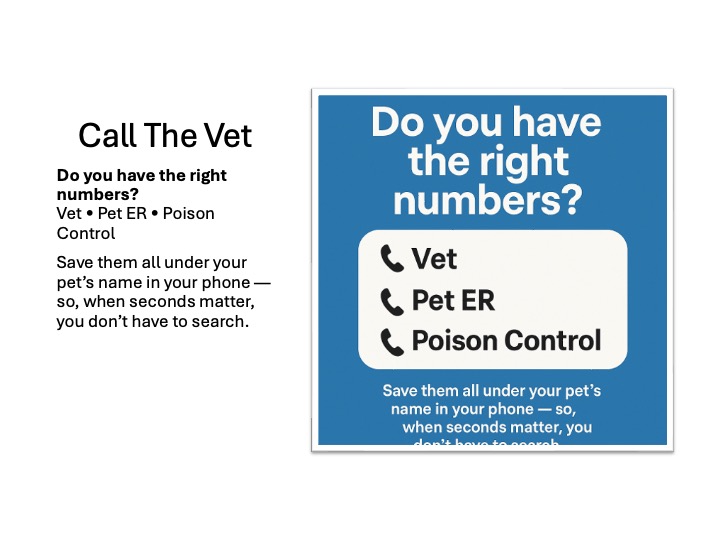
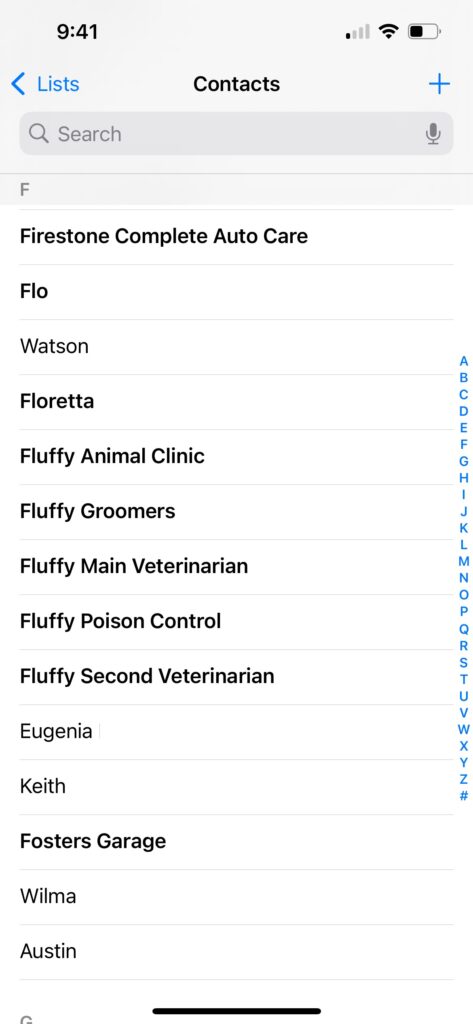
    Pro Tip: Keep All Emergency Numbers Under Your Pet’s Name


    If your dog suddenly collapses at the park or eats something suspicious at home, the last thing you want to do is scroll through your phone searching for the right number. The fastest way to be prepared is to keep every emergency contact stored under your pet’s name in your phone.

    Essential Numbers

    • Primary veterinarian (daytime office)
    • Nearest 24/7 emergency veterinary clinic
    • Animal Poison Control Hotline (ASPCA: 888-426-4435; Pet Poison Helpline: 855-764-7661)
    • Local Animal Control / County Humane Society

    Helpful Extras

    • Local police non-emergency line (in case of accidents, loose dogs, etc.)
    • Local fire department (sometimes responds to animal rescues)
    • Preferred pet sitter, dog walker, or trusted neighbor (backup care in a crisis)
    • Microchip registry hotline (e.g., HomeAgain, AKC Reunite) in case the dog is lost
    • Pet insurance emergency claims number (if the owner has coverage)
    • 24-hour pharmacy (for filling prescriptions quickly if vet meds are unavailable)

    On most phones, you can add multiple numbers under one contact. For example, create a contact named “Fluffy” and add your vet, the Pet ER, and Poison Control as separate numbers under that entry. That way, searching for “Fluffy” brings up all the numbers you might need in an emergency.

    If your phone doesn’t allow you to label them clearly, use your Notes app or a pinned note on your home screen to list the names of each clinic and their numbers. The key is simple: keep them all in one place, so when seconds count, you don’t have to think — just tap.

    Screenshot


    Veterinary Treatment: What the Vet Will Do

    Here’s what happens once you arrive at the clinic. Each condition demands a different approach, and though you may not remember all the details, knowing that the vet does have a plan for each is often the reassurance an owner needs.

    Addison’s Disease Crisis – The vet will deliver intravenous fluids and steroid injections to stabilize blood pressure and electrolytes.

    Severe Allergic Reaction (Anaphylaxis) – Rapid injections of epinephrine, antihistamines, and oxygen therapy keep swelling and airway closure under control.

    Bloat (GDV) – Emergency surgery is usually the only way to untwist the stomach, often combined with stomach-tacking to prevent recurrence.

    Cardiomyopathy (DCM) – Vets stabilize with heart medications, oxygen, and sometimes diuretics to relieve fluid buildup.

    Heartworm Complications – Oxygen, steroids, and careful parasite treatment help reduce clotting and damage to the heart and lungs.

    Heatstroke – IV fluids, cooling protocols, and monitoring for organ damage are critical. The vet will often run bloodwork to catch hidden complications.

    Laryngeal Paralysis – Oxygen therapy, sedatives, and in severe cases, surgery to widen the airway.

    Mitral Valve Disease (Advanced) – Diuretics, heart medications, and sometimes hospitalization with oxygen support to reduce lung fluid.

    Severe Heart Murmurs – Depending on the underlying cause, vets may prescribe cardiac drugs or recommend further scans to determine treatment.

    Neurological Emergencies – Anti-seizure medications, IV fluids, and imaging (like MRI/CT) to diagnose strokes or spinal injury.

    Acute Organ Failure – Aggressive fluid therapy, medications to support failing organs, and sometimes dialysis-like treatments.

    Patent Ductus Arteriosus (PDA) – Surgery is often the treatment, especially in young dogs, to correct the heart defect.

    Subaortic Stenosis (SAS) – Vets may use beta-blockers, anti-arrhythmic drugs, and close monitoring for heart function.

    Severe Sunburn/Shock – Pain relief, wound care, IV fluids, and sometimes antibiotics to prevent infection.

    Xylitol Poisoning – IV glucose, liver protectants, and hospitalization to prevent seizures and liver failure.


    Home Remedies

    Not recommended for emergencies.

    Only provide first aid until professional care is available (cooling for heatstroke, safe positioning during seizures, removing toxins from reach).


    Risk Factors

    Some emergencies strike like lightning, but others are written quietly in the margins of a dog’s life long before the crisis comes. The risk often depends on three things: breed, age, and lifestyle.

    A Great Dane may look like a walking fortress, but inside that deep chest lurks the risk of bloat. A sprightly toy breed may carry a tiny heart with fragile wiring, prone to defects. Puppies stumble into life with congenital issues they never asked for, while seniors, like elderly humans, face organ decline and weakening hearts.

    And then there’s lifestyle—the invisible hand shaping fate. A dog left under a punishing sun, or one who scavenges on walks, may court dangers like heatstroke or poisoning. Even something as innocent as a bee sting in an allergic dog can spiral into anaphylaxis. Risk isn’t always dramatic, but it waits patiently until the wrong moment.


    Genetic and Breed Considerations

    Every breed carries history in its blood—strengths, quirks, and sometimes hidden flaws. Understanding those tendencies isn’t about fear, but about readiness.

    Large, deep-chested breeds (Great Danes, Saint Bernards, Mastiffs) → prone to bloat, where the stomach twists into a deadly knot. Knowing your dog’s genetic lottery doesn’t mean wrapping them in fear—it means being two steps ahead, ready to act before chance becomes tragedy


    Psychological Factors

    Not all emergencies are purely physical. Sometimes the battlefield is in the mind. Stress, panic, or overexertion can push a fragile body past its limits.

    A nervous dog in a thunderstorm may pant and drool until heat builds dangerously. An overexcited Perro de Presa Canario chasing one more ball on a blazing afternoon can tip from play into heatstroke. Even the sudden sting of an insect can become more dangerous if panic fuels an already allergic system.

    Calm matters. Your own steady presence can sometimes tip the scale back toward safety. (articles coming soon)


    Surgical Options

    Some emergencies give no time for hesitation—they require a scalpel and skilled hands.

    • Gastric Dilatation-Volvulus (Bloat) → emergency surgery to untwist the stomach and save both organ and life.
    • Patent Ductus Arteriosus (PDA) → a congenital heart defect in puppies, repaired surgically to give them a full future.
    • Severe trauma injuries → internal bleeding, fractures, or ruptured organs often need immediate surgical repair.

    Surgery is never an easy word, but sometimes it’s the only road back.


    Monitoring

    Survival doesn’t end when the emergency passes. The days, weeks, and months after are just as crucial. Dogs recovering from heart conditions may need lifelong medication; those who’ve had bloat face strict diet and activity management; organ damage requires vigilant follow-up.

    Monitoring means vet check-ins, watchful owners, and sometimes lifestyle adjustments: softer exercise, a different feeding routine, or environmental changes. The crisis may fade, but the story of care continues.


    Emergency Contacts

    When seconds matter, scrambling for numbers wastes precious time. Build your safety net before you need it:

    • Your primary veterinarian’s phone number—on the fridge, in your phone, even in the car.
    • A 24/7 emergency clinic nearby—because crises rarely respect office hours.
    • The pet poison control hotline, ready for moments when chocolate, xylitol, or pills disappear into curious jaws.
    • Insurance information, if you have it, because emergencies can weigh heavy on both heart and wallet.

    Preparation isn’t paranoia—it’s compassion in its sharpest, most practical form.

    ASPCA Poison Control

    (888) 426-4435


    Final Word

    Emergencies with dogs are storms you cannot always predict, but you can prepare for them. Learn the risks, know your breed’s story, and keep the tools and numbers close at hand. When the unthinkable happens, your calm, your readiness, and your swift call to the vet may be the lifeline that saves your companion.

    📌 Call to Action for Readers:
    👉 If you recognize any of these emergencies, do not wait—call your vet immediately.
    👉 Click through each condition above for in-depth guides to symptoms, prevention, and treatment.
    👉 Keep emergency contacts saved in your phone before you need them.

  • How to Choose the Best Muzzle for Your Dog

    GiantBreeds
    GiantBreeds.net

    The Purpose of Muzzling a Giant Breed Dog

    Muzzling a dog, especially a giant breed, is a topic that often comes with a variety of emotions and opinions. However, it’s important to understand the practical reasons behind the use of a muzzle and how it can be beneficial in certain situations.

    Firstly, muzzles are used as a safety precaution. Giant breed dogs, due to their size and strength, can inadvertently cause harm. A muzzle can prevent bites in situations where a dog might feel threatened or in pain, such as during a veterinary visit or in an emergency. It’s a responsible choice for owners to prevent potential harm to others and to the dog itself.

    Another reason for muzzling is to address specific behavioral issues. For instance, some dogs may have a tendency to eat harmful objects when outside, and a muzzle can prevent this dangerous behavior. It’s not a tool for punishment, but rather a preventive measure for certain problematic behaviors that cannot be controlled by training alone.

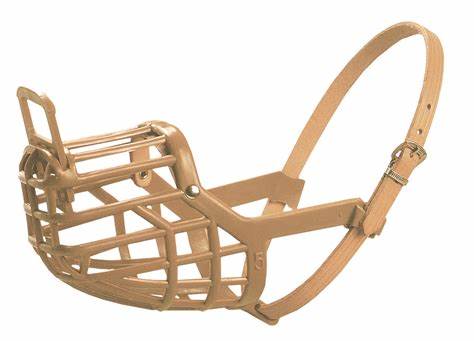
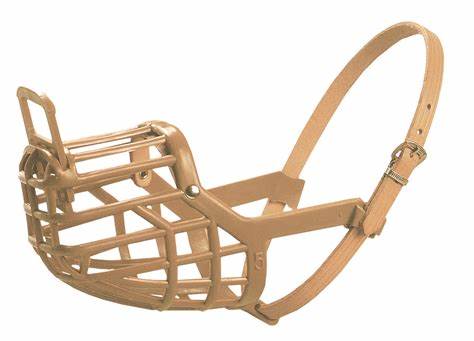
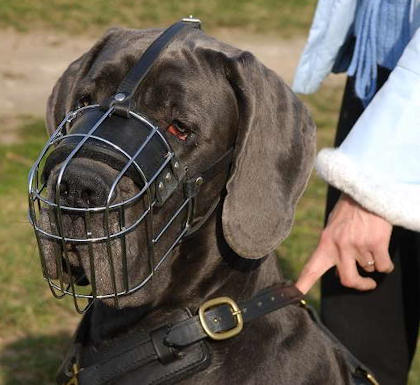
    The Mayerzon Large Basket is one used by many groomers.

    Training a dog to wear a muzzle comfortably is also crucial. It should be done gradually and positively, ensuring the dog associates the muzzle with good experiences. This preparation can make all the difference in a stressful situation where a muzzle is necessary.

    It’s also worth noting that muzzles should not be used as a long-term solution for ongoing behavioral problems like barking or chewing. These issues are better addressed through proper training and behavior modification techniques.

    Ask yourself, would you like to wear this all day every day? No, neither does your dog.

    In summary, muzzling a giant breed dog is a matter of safety and prevention. It’s not about labeling a dog as aggressive or dangerous, but rather about being prepared for situations where a muzzle could prevent injury or stress. Responsible dog ownership involves understanding when and why to use a muzzle, and ensuring it’s done with the dog’s comfort and well-being in mind. For more detailed guidance on muzzles and their use, consulting with a professional dog trainer or a veterinarian is always recommended.

    Types of Muzzles

    Understanding Dog Muzzles: Types and Purposes

    Dog muzzles are often misunderstood tools in canine behavior management. Despite their sometimes negative reputation, muzzles serve many practical purposes that can aid in training and ensuring safety. Let’s explore the different types of dog muzzles and their specific uses. muzzles should not be used as a long-term solution for ongoing behavioral problems

    Basket Muzzles

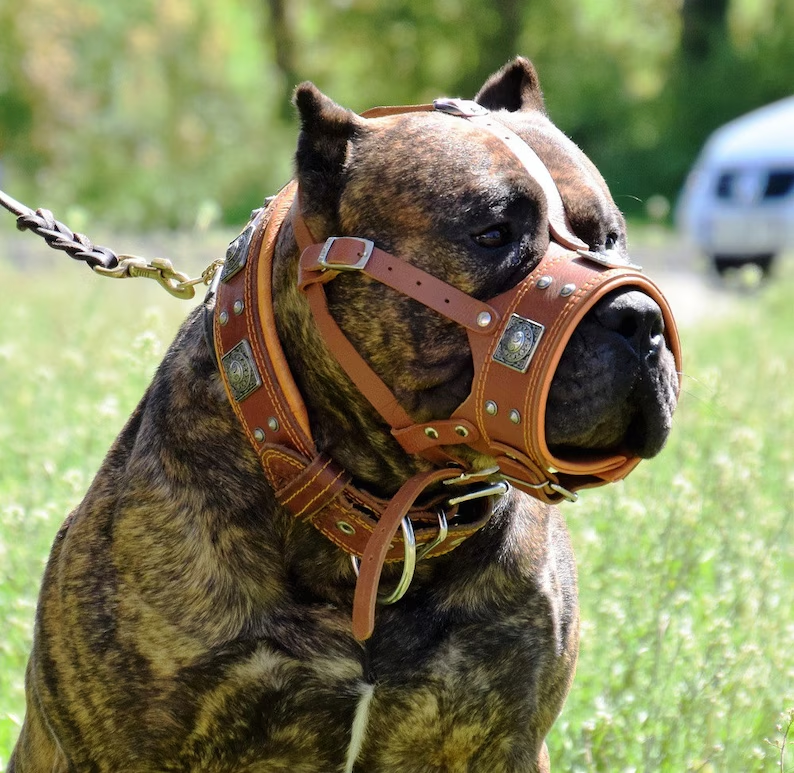
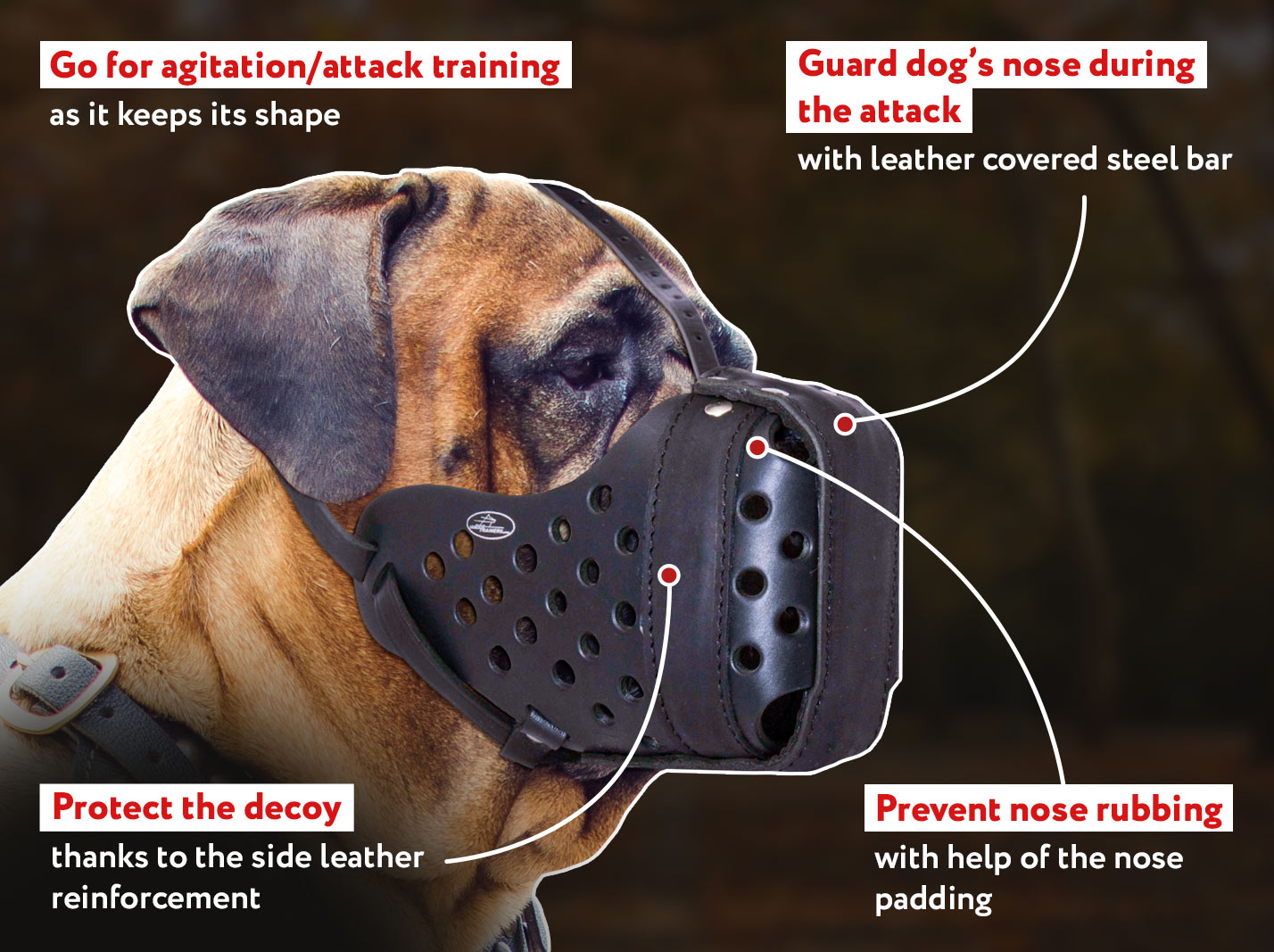
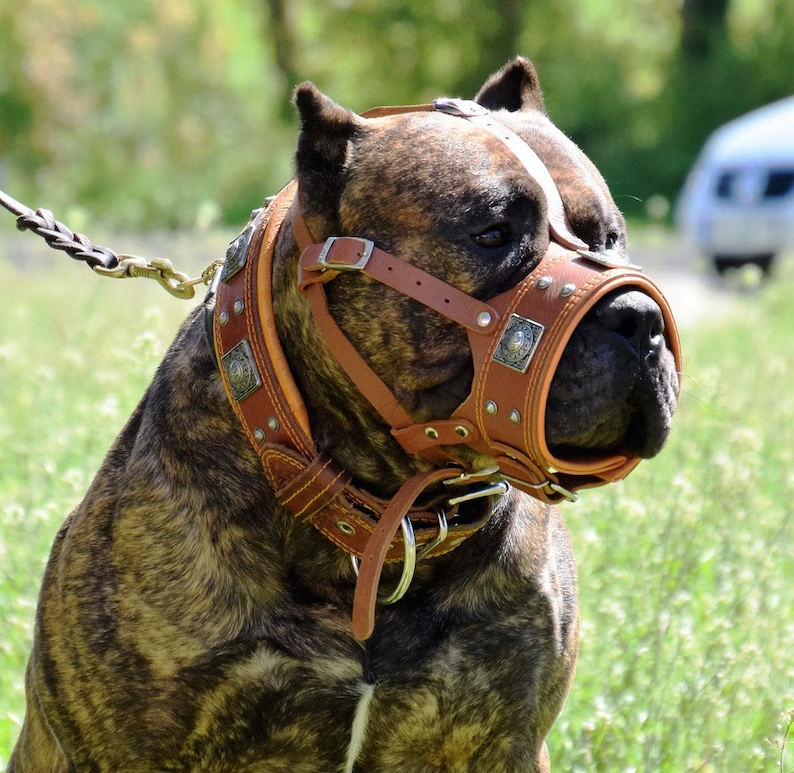
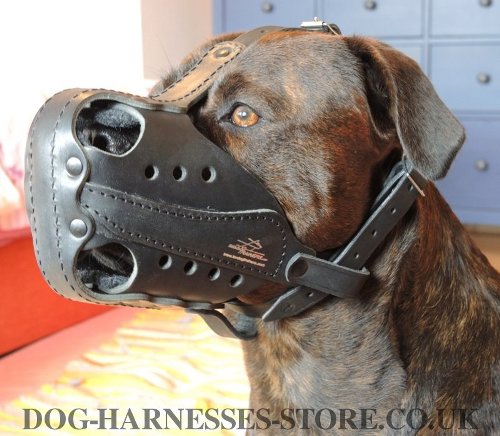
    Basket muzzles are one of the most common types. They are designed to fit around a dog’s snout in a basket-like fashion, allowing the dog to pant, drink, and even eat small treats. These muzzles are typically made from various materials, including wire, plastic, rubber, or leather. Basket muzzles are ideal for longer periods of use, such as during walks or in public spaces, especially for dogs that might be prone to biting or aggressive behavior.

    Soft Muzzles

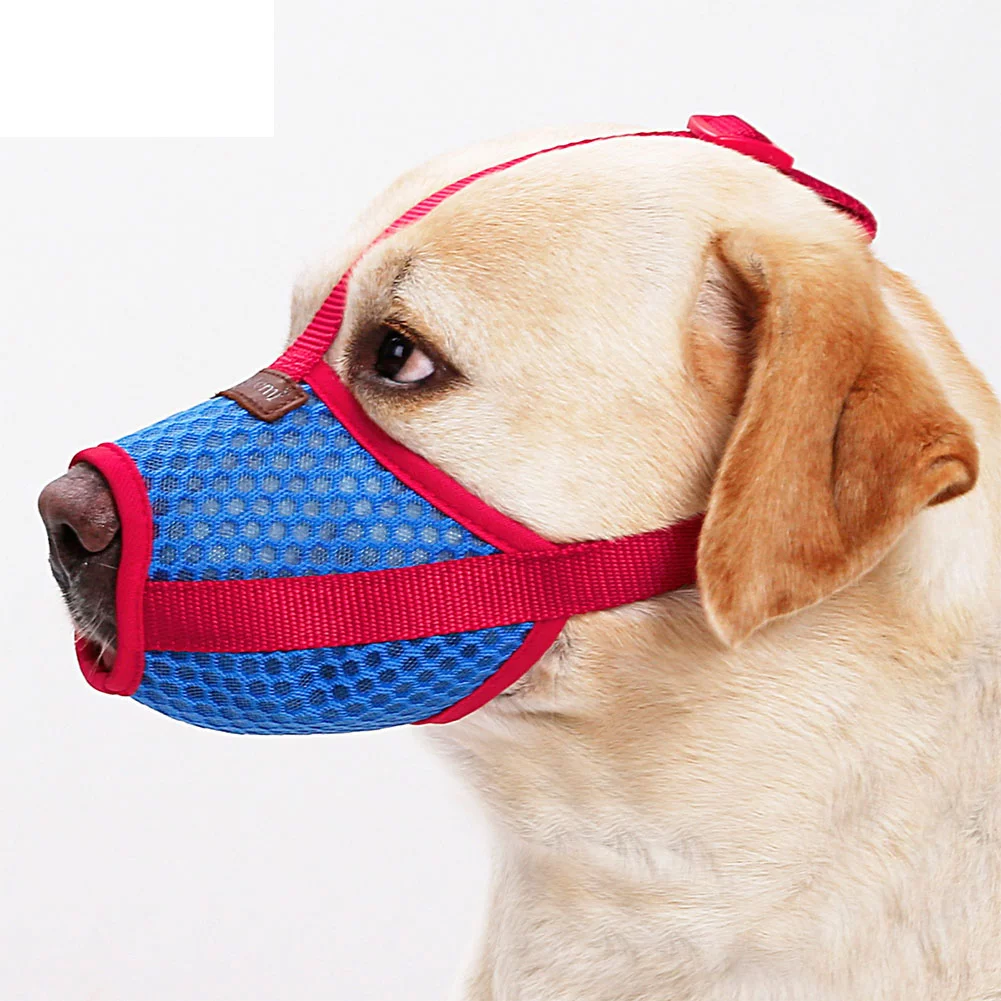
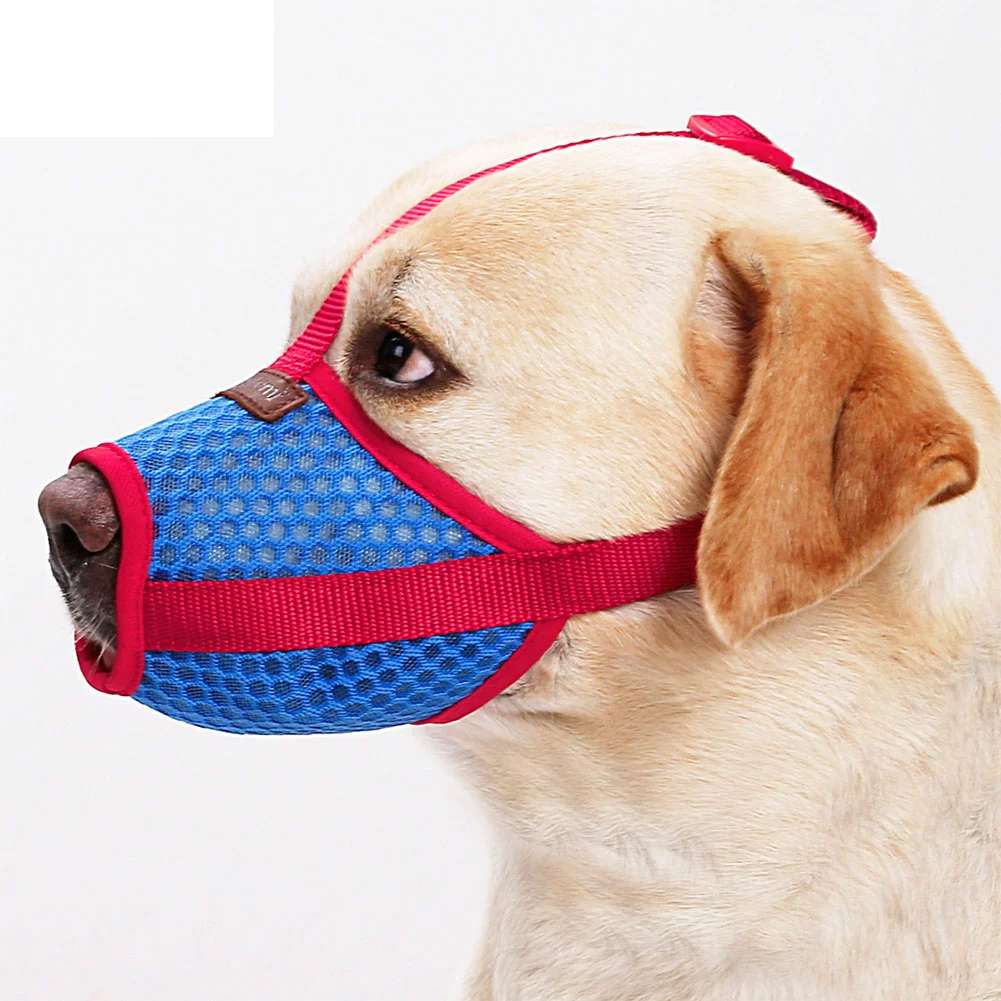
    Soft muzzles, also known as sleeve muzzles, are made from fabric and fit snugly around the dog’s mouth, holding it closed. These muzzles are generally used for short periods, such as during vet visits or grooming sessions, as they limit the dog’s ability to pant and drink. They are not suitable for extended use but can be helpful in situations where a dog may snap or bite due to fear or pain.

    Purpose of Muzzles in Dog Behavior

    The primary purpose of a muzzle is to prevent biting. This can be particularly important in emergency situations, when a dog is injured and in pain, or when a dog has a history of aggressive behavior. Muzzles can also be used during training to manage and modify behaviors such as excessive barking, chewing, or eating inappropriate items.

    It’s crucial to note that muzzles should not be used as a punishment or as a substitute for proper training. Instead, they should be part of a comprehensive behavior management plan developed in consultation with a professional dog trainer or behaviorist.

    Training Dogs to Accept Muzzles

    Training a dog to accept a muzzle is an essential step in using one responsibly. The process should be gradual and positive, allowing the dog to associate the muzzle with pleasant experiences. This can involve using treats and praise to encourage the dog to put its nose into the muzzle voluntarily and building up to fastening it comfortably around the dog’s head.

    In conclusion, dog muzzles are valuable tools when used correctly and with the dog’s welfare in mind. They can provide a means to manage behavior safely and effectively, ensuring the safety of both the dog and those around it. When selecting a muzzle, it’s important to choose the right type and size for your dog and to use it as part of a broader training and behavior management strategy. For more detailed guidance on choosing and using dog muzzles, consult with a professional or refer to reputable sources such as the American Kennel Club or Dogs Naturally magazine.

    Legal

    Understanding the Legalities of Muzzling Dogs

    Muzzling a dog can sometimes be a contentious issue, but there are several legal and safety reasons why a dog owner might choose to use a muzzle on their pet. Here’s a closer look at the legal purposes of muzzling a dog.

    Safety During Emergencies
    In emergency situations, even the gentlest dogs can become unpredictable due to fear or pain. A muzzle can prevent bites, protecting both the dog and humans from harm.

    Preventing Bites
    If a dog has a history of biting or shows aggressive behavior, a muzzle serves as a precaution to protect other animals and people. It’s also a useful tool for dogs that exhibit risky behaviors, like lunging or barking aggressively at others.

    Training and Behavior Modification
    Muzzles can be part of a training program to address and modify aggressive behaviors. While it’s not a solution in itself, it provides a safety net during the training process.

    Legal Compliance
    Some regions have breed-specific legislation or laws that require certain dogs to wear muzzles in public spaces. Adhering to these laws is crucial to avoid legal repercussions for the dog owner.

    Prevention of Ingestion of Dangerous Items
    Muzzles can prevent dogs from eating harmful objects during walks or from harming wildlife, serving as a management tool under supervision.

    Conclusion
    Muzzles are not just for “aggressive” dogs; they are a responsible tool for managing and protecting dogs and the community in various situations. Proper fit and training are essential to ensure the dog’s comfort and the effectiveness of the muzzle. It’s always best to consult with a professional trainer or behaviorist to determine if a muzzle is right for your dog and to learn the proper way to introduce it to your pet. Remember, a muzzle is a temporary measure and should be used in conjunction with proper training and behavior modification strategies.

    Method K9

    When it comes to dog training, Method K9 stands out as a beacon of hope for dog owners worldwide. Their approach to dog training is modern, detailed, and rooted in common sense, making them an invaluable source of information and guidance.

    At the heart of Method K9’s philosophy is the belief that every dog, regardless of age, size, or breed, can be trained for on and off-leash obedience. They are particularly renowned for their ability to rehabilitate dogs with challenging behaviors, such as fear, anxiety, reactivity, and aggression1. This is why we find them to be an exceptional resource; they offer hope and practical solutions where many may see none.

    Their training courses are comprehensive, covering everything from basic commands to addressing complex behavioral issues. The classes are designed to be small, ensuring personalized attention for each dog and owner, which is crucial for effective training2. Moreover, their online video courses make their expertise accessible to anyone, anywhere, providing support from professional trainers right at home3.

    One aspect of training that Method K9 excels in is teaching about muzzling dogs. Muzzling is often necessary for safety during rehabilitation of dogs with a history of biting or serious aggression. Method K9’s courses on muzzling are designed to ensure the safety of both the dog and the handler, which is paramount in any training scenario1.

    In conclusion, Method K9 is a great dog training source because they offer a ray of hope to struggling dog owners. Their success in handling tough behavioral cases and their commitment to safety and detailed instruction make them a top choice for anyone looking to improve their dog’s behavior and obedience. Their dedication to rehabilitation and prevention of bad behaviors is why I trust and recommend Method K9 as a source of dog training information.

    The Right Muzzle for Your Dog

    Choosing the Right Muzzle for Your Dog

    Selecting the right muzzle for your dog is crucial for their comfort and safety. Here are some steps to help you make the best choice:

    1. Identify the Purpose: Determine why your dog needs a muzzle. Is it for vet visits, grooming, training, or public safety? The purpose will guide the type of muzzle you need.
    2. Understand the Types: There are various types of muzzles such as basket muzzles, soft muzzles, and short-snout muzzles. Basket muzzles are preferred for their comfort and safety, allowing dogs to pant and drink water.
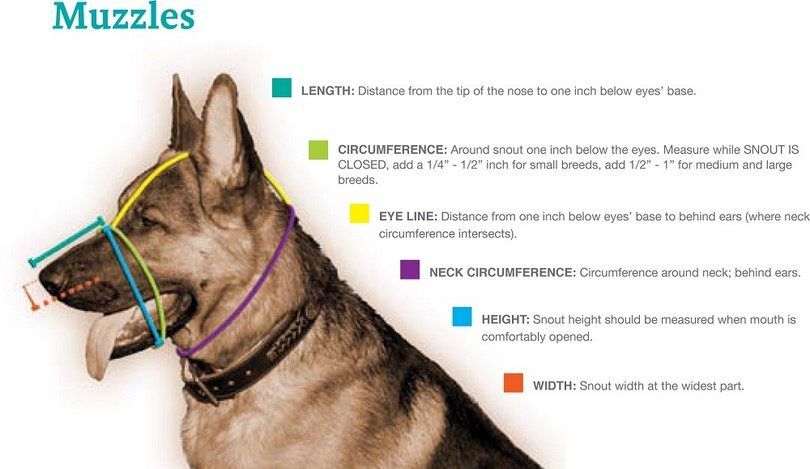
    3. Measure Your Dog: Accurate measurements are essential. Measure the length of your dog’s snout from the tip to the base near the skull, and the circumference at the widest part, usually just below the eyes. Add a little extra space to ensure your dog can paint and open their mouth comfortably.
    4. Choose the Material: Muzzles come in different materials like leather, nylon, plastic, and metal. Consider your dog’s skin sensitivity and the muzzle’s durability when choosing the material.
    5. Adjustability: A good muzzle should have adjustable straps for a secure fit. It should be snug enough to stay on but not too tight to cause discomfort.
    6. Training for Comfort: Introduce the muzzle to your dog gradually. Use positive reinforcement to create a pleasant association with the muzzle. Ensure your dog is comfortable wearing it for extended periods if necessary.
    7. Consult Professionals: If you’re unsure, consult a veterinarian or a professional dog trainer. They can provide valuable advice on the best type of muzzle for your dog’s breed, size, and behavior.

    Remember, a muzzle is a tool for safety and should not be used as a punishment. With the right fit and positive training, a muzzle can be a helpful accessory for managing your dog’s interactions in various situations.

    Alternatives

    Exploring Alternatives to Dog Muzzles for Responsible Pet Ownership

    When it comes to managing your dog’s behavior, especially if they’re prone to biting or eating inappropriate items, muzzles have traditionally been the go-to solution. However, not all dogs are comfortable with muzzles, and some owners may seek alternatives that are more humane and comfortable for their furry friends. Here, we explore some of the best alternatives to dog muzzles that can help ensure the safety and comfort of your pet.

    1. Behavioral Training and Positive Reinforcement
      One of the most effective ways to reduce the need for a muzzle is through behavioral training. Positive reinforcement techniques, which reward good behavior, can help teach your dog what is expected of them. This approach not only helps in curbing unwanted behavior but also strengthens the bond between you and your pet.
    2. Head Collars and Harnesses
      Head collars, such as the PetSafe Gentle Leader, guide your dog by gently steering their head and where they look, which naturally influences their body’s movements. This can be a great way to manage dogs that may lunge or bite without restricting their ability to pant, drink, or eat.
    3. Harnesses – Using a Harnesses for giant breed dogs offers numerous benefits, including improved control and safety for both the dog and the owner. Harnesses distribute pressure more evenly across the dog’s body, reducing strain on the neck and potential harm to the thyroid and other neck tissues. They also aid in training and managing large dogs who may pull, by providing attachment points that offer better control. This can be especially important for giant breeds, where controlling their strength and movement is crucial for a safe and enjoyable walk.
    4. Soft Nylon Muzzles
      For those who still prefer a muzzle but want a softer alternative, products like the Heele Soft Nylon Muzzle offer a comfortable and durable solution. Made with soft fabric and breathable mesh, these muzzles prevent biting while ensuring your dog’s comfort.
    5. Training Collars
      In some cases, training collars can be an alternative to muzzles. These include correction collars, prong collars, or remote collars, which should be used under the guidance of a professional trainer to ensure they are used humanely and effectively.
    6. Calming Methods and Medication
      For dogs whose aggression may stem from anxiety, natural calming methods or prescribed medication can be a viable solution. These methods address the underlying issues causing the aggressive behavior, reducing the need for physical restraints.
    7. Behavioral Counseling
      Seeking the help of a professional dog trainer or behaviorist can provide tailored solutions for your dog’s specific needs. They can offer guidance on the most appropriate strategies to manage your dog’s behavior safely and effectively.

    It’s important to remember that the welfare of your dog should always be a priority. Any alternative to a muzzle should be considered with the well-being of your pet in mind. Consult with a veterinarian or a professional dog trainer to determine the best approach for your dog’s individual needs and circumstances.

    By exploring these alternatives, you can find a compassionate and effective way to manage your dog’s behavior, ensuring their safety and the safety of those around them. Remember, every dog is unique, and what works for one may not work for another. Patience, understanding, and consistent training are key to finding the right solution for your canine companion.

    the logo Giant Breeds
    Giant Breeds, Big Dogs Big Hearts

  • Aloe Vera & Other Toxic Plants for Dogs

    GiantBreeds
    GiantBreeds.net

    The Green Danger Lurking on the Shelf

    Most dog owners think of danger in terms of sharp bones, broken fences, or off-leash chaos. But sometimes, the biggest threat is sitting quietly on a windowsill.

    Houseplants like aloe vera are praised for their healing properties, especially in human wellness circles. But what’s beneficial to us can be toxic to dogs — and aloe is just the tip of the leaf.

    There’s a dangerous myth: “If it’s natural, it’s safe.” Another? “If it’s safe for humans, it must be fine for dogs.” These assumptions lead well-meaning owners to keep potentially deadly plants in reach of curious noses.

    Whether it’s indoor succulents or outdoor landscaping, knowing which plants pose a risk is vital. Pet-safe plant awareness is about more than good gardening — it’s about protecting your dog from unnecessary suffering.


    What Makes Aloe Vera Harmful?

    Aloe vera contains two main compounds that make it dangerous for dogs when ingested:

    • Aloin – A bitter yellow substance found in the latex of the plant. It acts as a powerful laxative and irritant to a dog’s digestive tract.
    • Saponins – Naturally occurring chemical agents that can cause vomiting, diarrhea, and central nervous system depression.

    While humans may benefit from the juice or gel, dogs’ digestive systems process these compounds differently — and not in a good way.

    Even a small nibble of aloe’s leaf can result in a cascade of discomfort for your pet. The gel might look harmless, but beneath that soft exterior lies a potent problem.


    Symptoms of Aloe Vera Toxicity in Dogs

    If your dog has chewed or ingested aloe vera, you may notice:

    • Vomiting or diarrhea
    • Abdominal pain or cramping
    • Tremors or muscle weakness
    • Changes in urine color (often red or brown)
    • Lethargy or depression
    • Loss of appetite

    These symptoms can show up within a few hours and vary in intensity depending on your dog’s size and how much they consumed. Immediate vet attention is recommended in all cases.


    Safe Ways to Use Aloe Vera on Dogs

    Despite its dangers when swallowed, aloe can be used safely — but only externally and with caution.

    • Use aloin-free aloe products: Some commercial aloe gels are filtered to remove toxic compounds. Look for “purified” or “aloin-free” labels.
    • Apply only to unbroken skin: Never let your dog lick the treated area. Use a cone or supervise until fully absorbed.
    • Don’t DIY unless you know what you’re doing: Scraping fresh aloe from the plant can be risky. Unless you’ve removed the latex layer completely, it’s better to use a vetted product.

    Always consult your veterinarian before applying any treatment to your dog’s skin — especially if there are open wounds, allergies, or other medications involved.


    Is Aloe Vera Poisonous To Dogs? – The Planet Enthusiast


    What to Do If Your Dog Ingests a Toxic Plant

    Even the most careful owners can find themselves in a moment of panic — a chewed-up leaf on the floor, a dog licking its lips, or sudden vomiting with no clear cause. If you suspect your dog has gotten into a toxic plant, fast, focused action can make all the difference.


    How to Recognize Symptoms of Plant Poisoning

    Symptoms can vary based on the plant, the amount ingested, and your dog’s size. Still, the most common signs of plant-related poisoning include:

    • Vomiting or diarrhea
    • Drooling or foaming at the mouth
    • Lethargy, shaking, or tremors
    • Loss of coordination
    • Rapid heartbeat or breathing difficulty
    • Swollen mouth, tongue, or throat
    • Pale gums or cold extremities

    Sometimes symptoms appear right away. Other times, they may take hours to develop — especially with slow-acting toxins like certain lilies or cycads.


    Immediate First Steps

    If your dog has eaten a plant and you know (or suspect) it’s toxic:

    1. Stay calm. Panic makes it harder for your dog and you to act clearly.
    2. Remove plant material. If any remains are in their mouth, gently remove them — but don’t force your dog’s mouth open or induce vomiting unless a vet tells you to.
    3. Check the label or take a photo. If it’s a houseplant, note its name or snap a quick photo to show your vet.
    4. Call your veterinarian or pet poison hotline. Do this even if your dog seems fine — some effects are delayed.
      1. ASPCA Animal Poison Control: (888) 426-4435
      1. Pet Poison Helpline: (855) 764-7661

    When Emergency Care Is Needed

    If your dog shows any of the following, seek emergency vet care immediately:

    • Seizures or tremors
    • Difficulty breathing
    • Extreme lethargy or collapse
    • Vomiting blood or severe diarrhea
    • Swollen face or signs of an allergic reaction
    • Unresponsiveness or glassy eyes

    Even mild symptoms can progress quickly depending on the plant — don’t take chances. It’s always better to get checked out than to wait and see.

    Pro Tip: Bring a sample of the plant, your dog’s weight, and the approximate time of ingestion to help the vet assess quickly.


    Other Common Toxic Plants for Dogs

    Aloe vera might be in the spotlight, but it’s far from the only plant that can pose a risk to your dog. Many common houseplants, garden flowers, and even wild weeds contain toxins that affect everything from the nervous system to the kidneys. Below is a more complete, vet-informed list of plants to watch out for.

    Each entry includes:

    • Common Name
    • Scientific Name
    • Toxic Effect
    • First Response Action

    🌿 Sago Palm

    Closeup of the leaves on a Sago Palm…isolated on white
    • Cycas revoluta
    • Toxic to: Liver (causes liver failure)
    • First Response: Do not wait. Immediate emergency vet care is critical — this plant is often fatal. Do not induce vomiting without vet instruction.

    🌼 Oleander

    • Nerium oleander
    • Toxic to: Heart (affects heart rate and rhythm)
    • First Response: Call vet or poison control immediately. Inducing vomiting may be recommended only under supervision.

    🧅 Onion

    • Allium cepa
    • Toxic to: Red blood cells (causes hemolytic anemia)
    • First Response: Induce vomiting if ingestion was recent and under vet instruction. Monitor for signs of lethargy and pale gums.

    🧄 Garlic

    • Allium sativum
    • Toxic to: Red blood cells (more toxic than onions in large amounts)
    • First Response: Call your vet even if symptoms seem mild. Do not wait—symptoms can be delayed for several days.

    🌱 Foxglove

    • Digitalis purpurea
    • Toxic to: Heart (can cause arrhythmia, vomiting, collapse)
    • First Response: Emergency care needed. Do not attempt home treatment.

    🪴 Dieffenbachia (Dumb Cane)

    • Dieffenbachia spp.
    • Toxic to: Mouth/throat (causes swelling, pain, drooling)
    • First Response: Rinse mouth gently with water. Watch for breathing difficulty. Vet may give antihistamines.

    💐 Lily of the Valley

    Lily of the valley will bloom pure white with cute white flowers.
    • Convallaria majalis
    • Toxic to: Heart (can cause low heart rate and seizures)
    • First Response: Emergency vet care is needed — especially dangerous to small or older dogs.

    🌸 Azalea

    Red Azalea Flowers Red Azalea Flowers with Red Azalea Flowers
    • Rhododendron spp.
    • Toxic to: Nervous system (drooling, vomiting, coma in severe cases)
    • First Response: Induce vomiting if instructed, then immediate vet care.

    🌳 Yew (English or Japanese)

    Taxus cuspidata tree in autumn
    • Taxus spp.
    • Toxic to: Heart and central nervous system (can cause sudden death)
    • First Response: Emergency vet care is urgent. Do not delay or attempt home care.

    🌻 Chrysanthemum

    • Chrysanthemum spp.
    • Toxic to: Gastrointestinal system (vomiting, drooling, incoordination)
    • First Response: Remove any plant remnants from mouth. Vet visit likely needed depending on amount.

    🌺 Autumn Crocus

    • Colchicum autumnale
    • Toxic to: Internal organs (especially liver and kidneys)
    • First Response: Extremely toxic. Vet care required — even small amounts can be fatal.

    🌾 Corn Plant (Dracaena)

    • Dracaena fragrans
    • Toxic to: Gastrointestinal system (vomiting, loss of appetite)
    • First Response: Mild cases may be monitored, but vet should be consulted.

    🍇 Grapes and Raisins

    • Vitis vinifera
    • Toxic to: Kidneys (can cause renal failure)
    • First Response: Induce vomiting within 1-2 hours, but vet guidance is essential — some dogs are more sensitive than others.

    🌿 Daffodils

    • Narcissus spp.
    • Toxic to: Digestive and nervous systems
    • First Response: Induce vomiting only if instructed by vet. Symptoms can become severe quickly.

    🍒 Cherry (leaves, pits)

    • Prunus spp.
    • Toxic to: Respiratory system (cyanide compounds can block oxygen)
    • First Response: Vet care immediately — especially if pits were chewed or ingested.

    🪴 Philodendron

    • Philodendron spp.
    • Toxic to: Mouth and digestive tract (irritation, drooling, vomiting)
    • First Response: Rinse mouth. Vet visit recommended for larger exposures.

    🌲 Mistletoe

    • Viscum album
    • Toxic to: Heart and nervous system
    • First Response: Call poison hotline or vet. Induce vomiting only if advised.

    ☘️ Shamrock Plant

    • Oxalis spp.
    • Toxic to: Kidneys (especially dangerous to dogs with pre-existing conditions)
    • First Response: Vet care required — may need IV fluids and monitoring.

    Reminder: Always consult your vet before inducing vomiting. Some toxins, like those that damage the esophagus, can cause more harm if vomited back up.

    Want this formatted as a downloadable infographic or printable chart too? I can create that next — just say the word. Or we can move into the next section: Safe Alternatives to Toxic Plants.


    Safe Alternative Plants for Dog Owners

    Just because some plants are dangerous doesn’t mean you have to live in a plastic jungle. Many beautiful, air-purifying, and low-maintenance plants are safe for your dog to be around — indoors or in the garden.

    Here are dog-friendly alternatives you can enjoy without the worry:


    🪴 Spider Plant

    • Chlorophytum comosum
    • Safe, hardy, and great at purifying air. Plus, the long leaves are fun for dogs to sniff — but not harmful if they chew.

    🌱 Areca Palm

    • Dypsis lutescens
    • A bright, bushy indoor plant that gives tropical vibes and won’t harm your pup.

    🌿 Boston Fern

    • Nephrolepis exaltata
    • Lush, pet-safe, and easy to care for. Perfect for hanging pots away from wagging tails.

    🌵 Bamboo Palm

    • Chamaedorea seifrizii
    • Low-light friendly and completely non-toxic to dogs.

    🌸 African Violet

    • Saintpaulia spp.
    • Colorful blooms that are non-toxic and can add a burst of life to any room.

    🪻 Calathea (Prayer Plant)

    • Calathea spp.
    • Known for its beautiful patterns and pet-safe status. Just keep the soil moist and the lighting soft.

    🍀 Ponytail Palm

    • Beaucarnea recurvata
    • Despite the name, it’s not a true palm — but it is stylish and safe.

    💡 Tip: Even non-toxic plants can cause mild stomach upset if eaten in large amounts. Monitor chewing behavior and use elevated pots or shelves as needed.


    📞 Animal Poison Control Contact Info

    Always keep emergency numbers handy. If your dog gets into a suspicious plant and you can’t reach your vet right away, these hotlines can help:

    These should be in your Emergency contact Information Book


    Creating a Safe Environment for Your Giant Breed Companion

    When it comes to giant breeds, their size makes every accident a little more serious — they can reach higher places, eat larger quantities, and react differently due to slower metabolism or increased sensitivity. That’s why creating a dog-safe home and garden is a non-negotiable part of responsible ownership.

    Aloe vera might look soothing, but to your dog, it can spell real trouble. The same goes for dozens of common plants. The good news? With just a little awareness and planning, you can build a home that’s as beautiful as it is safe.

    Keep those emergency numbers handy. Watch for symptoms. And when in doubt — call your vet. Because nothing’s more important than protecting the gentle giant who trusts you with their world.

    the logo Giant Breeds
    Giant Breeds, Big Dogs Big Hearts

  • Breed-specific legislation (BSL) laws

    GiantBreeds
    GiantBreeds.net

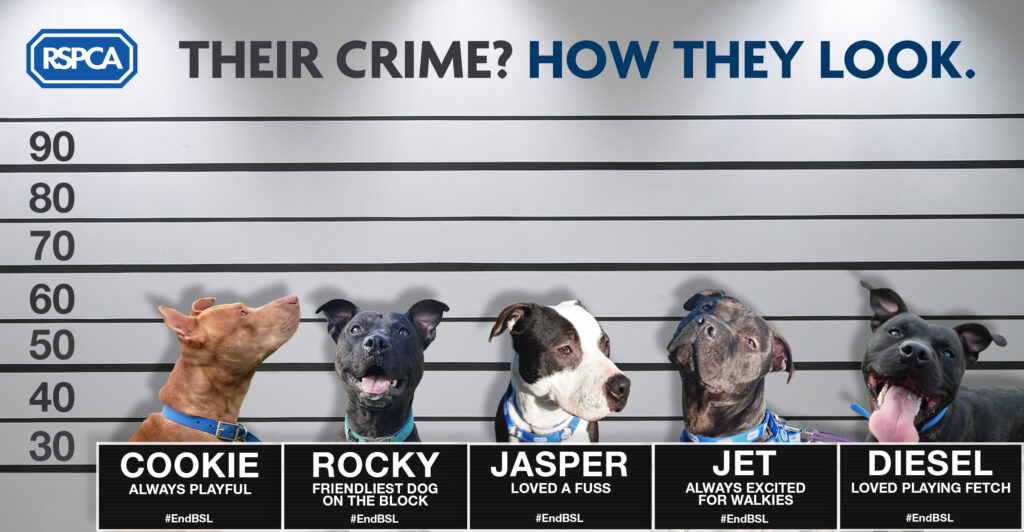
    Police line up wall, with three over head lights.

    Breed-specific legislation (BSL) laws vary across the 50 states, aiming to regulate or ban the ownership of certain dog breeds deemed dangerous. These laws often target breeds like Pit Bulls, Rottweilers, and Caucasian Ovcharkas, among others. BSL can include requirements such as mandatory muzzling, liability insurance, secure enclosures, and restrictions on breeding.

    The goal is to enhance public safety by reducing the risk of dog attacks. However, the effectiveness and fairness of BSL are widely debated, with many advocating for breed-neutral laws that focus on individual dog behavior rather than breed. Understanding the specific BSL in your state is crucial for responsible dog ownership and compliance with local regulations.

    The debate between breed-specific legislation (BSL) and laws that hold owners responsible for their dogs’ behavior is a contentious one, with strong arguments on both sides.

    Breed-Specific Legislation (BSL)

    Pros:

    Cons:

    Owner Responsibility Laws

    Pros:

    Cons:

    Legal Considerations

    Owners of powerful breeds like the Caucasian Ovcharka should be aware of local regulations, as some regions have breed-specific laws that may restrict or ban ownership. Violating these laws can result in fines, confiscation of the dog, or even criminal charges1. Additionally, owners may be required to follow specific guidelines, such as muzzling the dog in public, purchasing liability insurance, or keeping the dog in a secure enclosure2.

    In conclusion, while BSL aims to enhance public safety by targeting specific breeds, its effectiveness and fairness are widely debated. On the other hand, laws that hold owners responsible for their dogs’ behavior promote accountability and responsible pet ownership but may be more challenging to enforce. A balanced approach that combines elements of both may offer the best solution for ensuring public safety and fair treatment of all dogs.

    1: ASPCApro 2: Vet Explains Pets 3: UnifiedDogs

    Striking a Balance

    Striking a balance between breed-specific laws (BSL) and owner responsibility involves creating a comprehensive approach that addresses both public safety and fair treatment of all dogs. Here are some strategies to achieve this balance:

    1. Implement Breed-Neutral Dangerous Dog Laws

    Instead of targeting specific breeds, laws can focus on individual dog behavior. This approach ensures that all dogs, regardless of breed, are held to the same standards. Dangerous dog laws can include measures such as mandatory training, behavioral assessments, and penalties for owners who fail to control their dogs.

    2. Promote Responsible Ownership

    Education and outreach programs can help promote responsible dog ownership. These programs can teach owners about proper training, socialization, and care for their pets. Encouraging owners to spay/neuter their dogs, provide regular veterinary care, and engage in positive reinforcement training can reduce the likelihood of aggressive behavior.

    3. Enforce Strict Penalties for Negligence

    Holding owners accountable for their dogs’ actions is crucial. Laws should include strict penalties for owners who neglect or abuse their dogs, fail to provide proper training, or allow their dogs to roam unsupervised. This can deter irresponsible behavior and encourage owners to take their responsibilities seriously.

    4. Require Liability Insurance

    Requiring owners of powerful breeds to carry liability insurance can provide a financial safety net in case of an incident. This ensures that victims of dog attacks are compensated and encourages owners to take preventive measures to avoid liability.

    5. Conduct Regular Assessments

    Regular behavioral assessments for dogs, especially those with a history of aggression, can help identify potential risks early. These assessments can be conducted by certified trainers or behaviorists and can inform decisions about necessary interventions or restrictions.

    6. Foster Community Involvement

    Community-based programs that involve local animal shelters, trainers, and veterinarians can create a support network for dog owners. These programs can offer resources, training classes, and support groups to help owners manage their dogs’ behavior effectively.

    7. Tailor Laws to Local Needs

    Recognizing that different communities have different needs, laws should be flexible and adaptable. Local governments can tailor regulations to address specific concerns while ensuring that they are fair and effective.

    By combining elements of breed-neutral laws, owner responsibility, and community support, we can create a balanced approach that protects public safety while ensuring fair treatment for all dogs. This comprehensive strategy can help reduce incidents of dog aggression and promote a harmonious relationship between dogs and their communities.

    Alabama

    • BSL Link: PetPlace
    • Excerpt: “BSL refers to laws that restrict or outright ban the ownership of certain dog breeds deemed a higher risk for aggression or danger.”

    Alaska

    • BSL Link: None found

    Arizona

    • BSL Link: Animal Farm Foundation
    • Excerpt: “Our interactive map gives you the current status and history of breed-specific legislation in the U.S.”

    Arkansas

    • BSL Link: Humane Society
    • Excerpt: “Degrees of Breed Specific Legislation by State | The Humane Society of the United States.”

    California

    • BSL Link: Best Friends
    • Excerpt: “The graphic below shows the status of each individual state. The red dots on each state map correspond to the Current Legislation column and show where existing laws restrict pet owners.”

    Colorado

    • BSL Link: PetPlace
    • Excerpt: “BSL refers to laws that restrict or outright ban the ownership of certain dog breeds deemed a higher risk for aggression or danger.”

    Connecticut

    • BSL Link: None found

    Delaware

    • BSL Link: Animal Farm Foundation
    • Excerpt: “Our interactive map gives you the current status and history of breed-specific legislation in the U.S.”

    Florida

    • BSL Link: Humane Society
    • Excerpt: “Degrees of Breed Specific Legislation by State | The Humane Society of the United States.”

    Georgia

    • BSL Link: Best Friends
    • Excerpt: “The graphic below shows the status of each individual state. The red dots on each state map correspond to the Current Legislation column and show where existing laws restrict pet owners.”

    Hawaii

    • BSL Link: None found

    Idaho

    • BSL Link: PetPlace
    • Excerpt: “BSL refers to laws that restrict or outright ban the ownership of certain dog breeds deemed a higher risk for aggression or danger.”

    Illinois

    • BSL Link: Animal Farm Foundation
    • Excerpt: “Our interactive map gives you the current status and history of breed-specific legislation in the U.S.”

    Indiana

    • BSL Link: Humane Society
    • Excerpt: “Degrees of Breed Specific Legislation by State | The Humane Society of the United States.”

    Iowa

    • BSL Link: Best Friends
    • Excerpt: “The graphic below shows the status of each individual state. The red dots on each state map correspond to the Current Legislation column and show where existing laws restrict pet owners.”

    Kansas

    • BSL Link: PetPlace
    • Excerpt: “BSL refers to laws that restrict or outright ban the ownership of certain dog breeds deemed a higher risk for aggression or danger.”

    Kentucky

    • BSL Link: Animal Farm Foundation
    • Excerpt: “Our interactive map gives you the current status and history of breed-specific legislation in the U.S.”

    Louisiana

    • BSL Link: Humane Society
    • Excerpt: “Degrees of Breed Specific Legislation by State | The Humane Society of the United States.”

    Maine

    • BSL Link: Best Friends
    • Excerpt: “The graphic below shows the status of each individual state. The red dots on each state map correspond to the Current Legislation column and show where existing laws restrict pet owners.”

    Maryland

    • BSL Link: PetPlace
    • Excerpt: “BSL refers to laws that restrict or outright ban the ownership of certain dog breeds deemed a higher risk for aggression or danger.”

    Massachusetts

    • BSL Link: Animal Farm Foundation
    • Excerpt: “Our interactive map gives you the current status and history of breed-specific legislation in the U.S.”

    Michigan

    • BSL Link: Humane Society
    • Excerpt: “Degrees of Breed Specific Legislation by State | The Humane Society of the United States.”

    Minnesota

    • BSL Link: Best Friends
    • Excerpt: “The graphic below shows the status of each individual state. The red dots on each state map correspond to the Current Legislation column and show where existing laws restrict pet owners.”

    Mississippi

    • BSL Link: PetPlace
    • Excerpt: “BSL refers to laws that restrict or outright ban the ownership of certain dog breeds deemed a higher risk for aggression or danger.”

    Missouri

    • BSL Link: Animal Farm Foundation
    • Excerpt: “Our interactive map gives you the current status and history of breed-specific legislation in the U.S.”

    Montana

    • BSL Link: Humane Society
    • Excerpt: “Degrees of Breed Specific Legislation by State | The Humane Society of the United States.”

    Nebraska

    • BSL Link: Best Friends
    • Excerpt: “The graphic below shows the status of each individual state. The red dots on each state map correspond to the Current Legislation column and show where existing laws restrict pet owners.”

    Nevada

    • BSL Link: PetPlace
    • Excerpt: “BSL refers to laws that restrict or outright ban the ownership of certain dog breeds deemed a higher risk for aggression or danger.”

    New Hampshire

    • BSL Link: Animal Farm Foundation
    • Excerpt: “Our interactive map gives you the current status and history of breed-specific legislation in the U.S.”

    New Jersey

    • BSL Link: Humane Society
    • Excerpt: “Degrees of Breed Specific Legislation by State | The Humane Society of the United States.”

    New Mexico

    • BSL Link: Best Friends
    • Excerpt: “The graphic below shows the status of each individual state. The red dots on each state map correspond to the Current Legislation column and show where existing laws restrict pet owners.”

    New York

    • BSL Link: PetPlace
    • Excerpt: “BSL refers to laws that restrict or outright ban the ownership of certain dog breeds deemed a higher risk for aggression or danger.”

    North Carolina

    • BSL Link: Animal Farm Foundation
    • Excerpt: “Our interactive map gives you the current status and history of breed-specific legislation in the U.S.”

    North Dakota

    • BSL Link: Humane Society
    • Excerpt: “Degrees of Breed Specific Legislation by State | The Humane Society of the United States.”

    Ohio

    • BSL Link: Best Friends
    • Excerpt: “The graphic below shows the status of each individual state. The red dots on each state map correspond to the Current Legislation column and show where existing laws restrict pet owners.”

    Oklahoma

    • BSL Link: PetPlace
    • Excerpt: “BSL refers to laws that restrict or outright ban the ownership of certain dog breeds deemed a higher risk for aggression or danger.”

    Oregon

    • BSL Link: Animal Farm Foundation
    • Excerpt: “Our interactive map gives you the current status and history of breed-specific legislation in the U.S.”
    the logo Giant Breeds
    Giant Breeds, Big Dogs Big Hearts

  • Breathe Easy: Treatment Options for Laryngeal Paralysis in Dogs

    GiantBreeds
    GiantBreeds.net

    Laryngeal Paralysis in Dogs: Causes and Key Insights

    Laryngeal paralysis is a condition in which the muscles and nerves controlling the larynx (voice box) fail to function properly. This prevents the cartilage within the larynx from opening as it should when the dog inhales, restricting airflow and causing significant breathing difficulties. While it is primarily a neurological condition, laryngeal paralysis can arise from a variety of causes, including aging, trauma, and underlying medical conditions. This article explores the causes of laryngeal paralysis and the factors contributing to its development, particularly in giant breed dogs.

    What is Laryngeal Paralysis?

    Medical Definition: Laryngeal paralysis occurs when the nerves responsible for the laryngeal muscles are damaged or weakened. This leads to impaired movement of the laryngeal cartilage, which normally opens to allow air into the windpipe. The result is restricted airflow and difficulty breathing.

    Simplified Definition: The part of the dog’s throat that helps it breathe doesn’t open properly, making it harder for the dog to take in air.

    Laryngeal paralysis is not caused by infections, viruses, or bacteria, but rather by nerve dysfunction, trauma, or genetics. It is often associated with aging, though younger dogs can develop the condition due to congenital issues or injuries.


    Common Causes of Laryngeal Paralysis

    1. Aging and Degeneration
      One of the leading causes of laryngeal paralysis is age-related nerve degeneration. In older dogs, the condition is often idiopathic, meaning the exact cause is unknown. For giant breed dogs, signs of laryngeal paralysis typically appear earlier than in smaller breeds due to their shorter lifespans.
      • Senior Giant Breeds (6-8+ years): This is the most common age range for giant breeds like Great Danes, Saint Bernards, and Labrador Retrievers to develop laryngeal paralysis.
      • Middle-Aged Dogs (4-6 years): While less common, dogs in this age group may begin showing symptoms, especially in breeds predisposed to nerve degeneration.
    2. Trauma or Injury
      Physical trauma to the neck or throat can damage the recurrent laryngeal nerve, leading to paralysis. Common causes of trauma include:
      • Blunt injuries from accidents.
      • Surgical complications after procedures near the throat or neck.
      • Improper use of collars, such as choke or prong collars, which can put pressure on delicate neck structures and exacerbate existing conditions.
    3. Underlying Medical Conditions
      Certain health conditions can contribute to nerve dysfunction and laryngeal paralysis. These include:
      • Hypothyroidism: A hormonal imbalance that can weaken nerve function.
      • Myasthenia Gravis: An autoimmune disease-causing muscle weakness throughout the body.
      • Neuromuscular Disorders: Conditions affecting nerves and muscles can extend to the larynx, impairing its function.
    4. Congenital Causes
      In rare cases, some dogs are born with a hereditary form of laryngeal paralysis. Breeds like Bouvier des Flandres, Bull Terriers, and Siberian Huskies are more likely to inherit this condition. Puppies with congenital laryngeal paralysis may exhibit symptoms much earlier than dogs affected by age-related degeneration.
    5. Environmental Factors
      While not a direct cause, environmental irritants like smoke, pollution, or excessive panting during hot weather can worsen symptoms in dogs with underlying nerve issues.

    The Role of Collars and Preventative Measures

    Collars that place excessive pressure on the neck, such as choke chains, are unlikely to directly cause laryngeal paralysis in healthy dogs. However, for dogs with pre-existing nerve issues or predispositions to the condition, these tools can contribute to trauma and exacerbate symptoms. To reduce the risk of injury, many veterinarians recommend switching to harnesses, particularly for large or giant breeds prone to neck and throat issues.


    Laryngeal paralysis is a serious yet manageable condition when diagnosed and treated early. Understanding its causes—whether due to aging, trauma, or genetics—can help owners recognize the early signs and seek timely veterinary care.

    Symptoms

    Recognizing the Symptoms of Laryngeal Paralysis in Dogs

    Laryngeal paralysis in dogs can be distressing for both pets and their owners. This condition affects the dog’s ability to breathe properly, and its symptoms often emerge gradually, making early detection critical. For giant breed dogs, who are more susceptible due to their size and anatomy, recognizing these symptoms early can significantly improve their quality of life. Below, we’ll outline the most common signs of laryngeal paralysis, helping you spot the condition before it becomes severe.

    Early Symptoms of Laryngeal Paralysis

    The symptoms of laryngeal paralysis often begin subtly and may be mistaken for normal aging or minor respiratory issues. Be vigilant for these early warning signs:

    • Voice Changes: One of the first symptoms many dogs owners notice is a change in their dogs bark, which may sound hoarse or quieter than usual.
    • Mild Breathing Noises: You may hear light wheezing, raspy breathing, or other unusual sounds, especially after exercise or excitement.

    Advanced Symptoms

    As the condition progresses, symptoms of laryngeal paralysis become more pronounced. These signs can significantly impact your dog’s quality of life:

    • Loud, Noisy Breathing: Stridor, or a harsh, raspy sound during inhalation, is a hallmark symptom of laryngeal paralysis. This sound is caused by airflow restriction in the larynx.
    • Exercise Intolerance: Dogs with laryngeal paralysis often tire quickly and may avoid physical activity they previously enjoyed.
    • Panting: Excessive or labored panting can occur, even in cool environments or without strenuous activity.

    Severe or Emergency Symptoms

    In severe cases, laryngeal paralysis can become life-threatening, requiring immediate veterinary attention. Look for these critical signs:

    • Cyanosis: A bluish tinge to the tongue or gums indicates oxygen deprivation.
    • Collapse: Sudden weakness or collapse, especially after exercise, is a medical emergency.
    • Distress During Heat or Stress: Dogs with advanced laryngeal paralysis may struggle to breathe in hot weather or stressful situations, worsening their condition rapidly.

    How Symptoms May Differ in Giant Breed Dogs

    Giant breeds like Saint Bernards, Great Danes, and Labrador Retrievers are at higher risk of developing laryngeal paralysis. Due to their larger anatomy, their symptoms may appear more pronounced, especially during exercise or warm weather. Owners should monitor these breeds closely for any changes in breathing patterns or exercise tolerance.

    When to Contact a veterinarian

    If you notice any of the symptoms above, especially loud breathing, exercise intolerance, or signs of oxygen deprivation, it’s essential to contact your veterinarian promptly. Early diagnosis and intervention can help manage the condition and prevent life-threatening complications.

    Understanding the symptoms of laryngeal paralysis is key to providing the best care for your dog. By acting quickly and seeking veterinary help, you can improve your dog’s comfort and ensure they receive the treatment they need.

    Prevention

    Preventing Laryngeal Paralysis in Dogs

    While some cases of laryngeal paralysis are linked to unavoidable factors like aging or genetic predispositions, there are steps dog owners can take to reduce the risk of this condition or its progression. Prevention strategies focus on minimizing risk factors, protecting the neck and throat, and promoting overall respiratory health, especially in giant breeds prone to laryngeal issues.

    Protect Your Dog’s Neck and Throat

    One of the most effective ways to prevent trauma-related laryngeal paralysis is by safeguarding your dog’s neck. Avoid tools or practices that can put undue strain on this sensitive area:

    • Switch to a Harness: Use a well-fitted harness instead of collars, especially for dogs who pull on the leash. This reduces pressure on the neck and helps protect the delicate nerves in the larynx.
    • Avoid Choke Chains and Prong Collars: These tools can cause repetitive strain or injury to the neck, potentially leading to nerve damage over time.
    • Supervise Play: Prevent rough play or accidents that might result in trauma to the throat, especially for active or large-breed dogs.

    Maintain a Healthy Lifestyle

    Keeping your dog in good physical condition can help prevent secondary health issues that may contribute to nerve damage or respiratory problems:

    • Prevent Obesity: Excess weight can put additional strain on your dog’s respiratory system and worsen breathing difficulties.
    • Encourage Moderate Exercise: Provide regular, low-impact exercise to keep your dog fit without overexerting them, particularly in hot or humid conditions.
    • Provide Proper Nutrition: Feed your dog a balanced diet tailored to their breed and life stage to support their overall health and longevity.

    Minimize Environmental Stressors

    Environmental factors can exacerbate respiratory issues and increase the risk of symptoms developing:

    • Avoid Smoking Around Pets: Secondhand smoke can irritate your dog’s airway, making them more susceptible to breathing problems.
    • Limit Heat and Humidity Exposure: Dogs with compromised breathing are more vulnerable to heat-related stress, so always provide a cool, comfortable environment.
    • Monitor Air Quality: Reduce your dog’s exposure to pollutants, dust, or irritants that may inflame the respiratory system.

    Early Detection and Regular Veterinary Care

    Preventing laryngeal paralysis often comes down to early detection and proactive veterinary care:

    • Schedule Routine Checkups: Regular visits to the vet can help identify early signs of laryngeal paralysis or related conditions.
    • Monitor Breathing Patterns: Keep an eye on changes in your dog’s breathing, especially as they age. Address any unusual noises, exercise intolerance, or panting with your veterinarian.
    • Treat Underlying Conditions: Conditions like hypothyroidism can contribute to nerve dysfunction, so managing these issues early may reduce the risk of developing laryngeal paralysis.

    Specific Considerations for Giant Breed Dogs

    Giant breeds, such as Saint Bernards, Great Danes, and Labrador Retrievers, are more susceptible to laryngeal paralysis due to their size and anatomy. Owners of these breeds should take extra precautions, such as switching to a harness early on and avoiding strenuous exercise in warm weather.

    While not all cases of laryngeal paralysis can be prevented, taking these steps can minimize risk factors and improve your dog’s overall health. With proper care, you can reduce the likelihood of this condition and help your dog live a happier, healthier life.

    https://youtube.com/watch?v=67WuWb-z2Nk%3Ffeature%3Doembed

    Products to Help Manage Laryngeal Paralysis in Dogs

    Managing laryngeal paralysis in dogs often requires a combination of lifestyle adjustments and tools designed to improve their comfort and safety. For owners of dogs with this condition, the right products can make a world of difference in reducing strain, minimizing symptoms, and preventing exacerbation of breathing difficulties. Below, we’ll explore some practical products that can help, focusing on cooling tools, anti-anxiety aids, and harnesses.

    Cooling Products for Hot Weather

    Dogs with laryngeal paralysis are particularly sensitive to overheating, as their compromised airways make it harder for them to regulate body temperature efficiently. Providing ways to keep your dog cool during warm weather is essential for preventing respiratory distress.

    • Cooling Vests: Lightweight, water-activated cooling vests can help your dog stay comfortable during outdoor walks or activities. These vests are designed to lower your dog’s body temperature by evaporating moisture, allowing for safe outings even on warm days. Look for breathable, adjustable designs that accommodate your dog’s size and coat type.
    • Cooling Mats: For at-home comfort, cooling mats provide a refreshing surface for your dog to lie on. Many mats are self-cooling and require no refrigeration or power, making them a low-maintenance solution. These mats are especially useful after walks or during summer months when heat can easily overwhelm a dog with laryngeal paralysis.

    By proactively managing your dog’s temperature, you can prevent life-threatening heat-related complications, especially during high-exertion periods.

    Anti-Anxiety Tools for Stress Management

    Stress and anxiety can worsen the symptoms of laryngeal paralysis by increasing your dog’s breathing rate and putting extra strain on their already sensitive airways. To minimize these triggers, consider tools that promote relaxation and calmness.

    • Calming Supplements: Natural supplements containing ingredients like chamomile, valerian root, or L-theanine can help reduce anxiety during stressful situations, such as loud thunderstorms or trips to the vet. Always consult your veterinarian before introducing any new supplements to ensure they are safe for your dog.
    • Pheromone Diffusers or Sprays: Products that release dog-appeasing pheromones can create a calming environment in your home. These diffusers mimic natural canine pheromones, signaling a sense of safety to your dog. They’re especially useful in multi-pet households or during events that could elevate your dog’s stress levels, like fireworks.

    Stress management is crucial because it not only reduces symptom severity but also prevents episodes of overexertion, which can lead to respiratory distress.

    Supportive Harnesses to Reduce Neck Strain

    Dogs with laryngeal paralysis often experience discomfort or worsening symptoms when pressure is applied to their neck. Collars can constrict the airway further, especially when dogs pull on their leash. A supportive harness is an excellent alternative that alleviates neck strain and provides greater control for owners.

    • No-Pull Harnesses: These harnesses are designed to discourage pulling while distributing pressure across the chest and shoulders rather than the neck. They are ideal for walks and light exercise, ensuring that your dog can move comfortably without risking additional strain on their airway.
    • Supportive Harnesses: For larger or older dogs with mobility challenges, a supportive harness with a handle can provide extra assistance. These harnesses are particularly helpful for dogs who need help getting up or navigating stairs, reducing physical exertion and minimizing their breathing effort.

    When choosing a harness, prioritize adjustability, padding, and durability to ensure your dog’s comfort and safety during use.

    Final Thoughts

    The right products can make living with laryngeal paralysis more manageable for both you and your dog. Cooling vests and mats help prevent overheating, calming tools minimize stress, and harnesses protect against airway strain. By investing in these supportive tools, you can significantly improve your dog’s quality of life while reducing the risks associated with this challenging condition.

    Remember, while products can help, they should complement, not replace, veterinary care and a tailored management plan. Consult your veterinarian for personalized advice, and always monitor your dog closely during use. With the right approach and a little extra care, your dog can continue to enjoy life with their signature tail wags and goofy personality intact.

    Action – When to Call the Vet for Laryngeal Paralysis

    When your dog is dealing with laryngeal paralysis, knowing when to call the vet can make all the difference in ensuring their health and safety. Laryngeal paralysis affects the muscles that open and close the larynx, compromising your dog’s ability to breathe normally. While mild cases may be manageable at home with lifestyle changes, certain symptoms demand immediate veterinary attention. This guide outlines what to observe, the information to gather, and how to communicate effectively with your vet during emergencies.

    What to Observe in Your Dog

    Recognizing signs of distress is the first step in deciding when to call the vet. Laryngeal paralysis can cause various symptoms that worsen with time or certain triggers, such as heat or physical exertion. Be vigilant for the following signs:

    • Breathing Difficulties: If your dog is panting excessively, gasping for air, or struggling to breathe, it’s time to act. Breathing difficulties are often more pronounced during warm weather or after exercise, making these situations particularly risky for dogs with laryngeal paralysis.
    • Episodes of Fainting or Collapse: If your dog suddenly collapses or appears to faint, it could indicate a severe lack of oxygen. This is an emergency that requires immediate veterinary intervention.
    • Severe Distress During Warm Weather or Exercise: Dogs with laryngeal paralysis are highly sensitive to heat and exertion. Overheating can exacerbate their symptoms, leading to a dangerous cycle of respiratory distress. If you notice your dog is unable to cool down or calm their breathing, call your vet right away.

    Early intervention can help prevent a worsening of symptoms or a life-threatening emergency. Always err on the side of caution when it comes to your dog’s respiratory health.

    Information to Provide to Your Vet

    When you contact your veterinarian, having detailed and accurate information ready will help them assess the situation quickly and recommend the appropriate next steps. Here’s what you should prepare:

    • Symptoms, Onset, and Triggers: Describe your dog’s symptoms in detail. Include when they started, how long they have been present, and whether any specific activity, such as a walk or exposure to heat, seemed to trigger them. Mention if the symptoms have worsened over time or occurred suddenly.
    • Videos of Breathing Difficulties: If possible, take a short video of your dog during an episode of breathing difficulty. This can provide invaluable insight for your veterinarian, allowing them to observe the severity of the problem and make a more informed diagnosis.
    • Breathing Rate and Behavior During Rest: Observe your dog when they are calm and resting. Note their breathing rate (number of breaths per minute) and any unusual behavior, such as restlessness or reluctance to lie down. These details can help your vet gauge the baseline severity of the condition.

    Providing clear, thorough information helps the vet identify whether your dog’s symptoms indicate an emergency or whether they can wait for a scheduled appointment.

    When to Seek Emergency Care

    In some cases, laryngeal paralysis can escalate into a life-threatening situation. Call an emergency veterinary clinic if you observe any of the following:

    • Labored breathing that doesn’t improve with rest or cooling measures.
    • Persistent open-mouth panting accompanied by a bluish tint to the gums or tongue (a sign of oxygen deprivation).
    • Complete inability to breathe or severe respiratory distress.

    Time is of the essence in these scenarios, so don’t hesitate to act.

    Final Thoughts

    Laryngeal paralysis is a serious condition but understanding when and how to call your vet can make a significant difference in your dog’s health. By observing your dog closely, documenting their symptoms, and sharing detailed information with your veterinarian, you ensure they receive the care they need promptly.

    Remember, you know your dog best. If something feels off, trust your instincts and consult your vet. Quick action can save lives, giving your dog a better chance to keep wagging their tail for years to come.

    Veterinary Treatment

    Veterinary Treatment for Laryngeal Paralysis

    When laryngeal paralysis affects your dog, veterinary care is essential for accurate diagnosis and effective treatment. Depending on the severity of the condition, veterinarians use a combination of diagnostic tools, medical management, and, in some cases, surgical intervention. Here’s a breakdown of what to expect when seeking veterinary treatment for laryngeal paralysis.

    Diagnostic Steps: Pinpointing the Problem

    The first step in treating laryngeal paralysis is confirming the diagnosis. Since the symptoms of laryngeal paralysis can overlap with other respiratory or throat conditions, veterinarians use several diagnostic methods to identify the issue and rule out related complications.

    • Physical Exams and Laryngeal Function Observation:
      Your vet will start with a physical exam, checking your dog’s throat and listening to their breathing patterns. If laryngeal paralysis is suspected, your vet may perform a laryngeal function examination under mild sedation. This allows them to closely observe how the laryngeal muscles move as your dog breathes.
    • Chest X-rays:
      Chest X-rays are often recommended to check for complications that may accompany laryngeal paralysis, such as aspiration pneumonia. Since dogs with this condition are prone to inhaling food or liquids into their lungs, ruling out or treating this secondary issue is crucial for overall recovery.

    These diagnostic steps are quick, non-invasive, and designed to provide clarity on the severity of your dog’s condition, allowing the vet to determine the most appropriate treatment plan.

    Medical Management: Supporting Your Dog’s Health

    For dogs with mild or moderate laryngeal paralysis, medical management can provide significant relief. These treatments aim to reduce inflammation, calm the dog’s respiratory system, and manage stress that may worsen breathing difficulties.

    • Anti-inflammatory Medications:
      Anti-inflammatory drugs help to reduce swelling around the larynx, improving airflow and making it easier for your dog to breathe. These medications are especially useful during early stages or after a mild episode of respiratory distress.
    • Sedatives for Respiratory Stress:
      If your dog is struggling to calm down due to labored breathing, your vet may prescribe sedatives. Stress and anxiety can exacerbate symptoms, creating a vicious cycle of worsening breathing difficulties. By keeping your dog relaxed, sedatives can help reduce the strain on their respiratory system.

    Medical management is often paired with lifestyle changes, such as using cooling products and harnesses, to enhance your dog’s quality of life. While it doesn’t cure laryngeal paralysis, it can keep symptoms under control and prevent further complications.

    Surgical Options for Advanced Cases

    When laryngeal paralysis becomes severe or when medical management is no longer effective, surgery may be recommended. The most common surgical option is a procedure called laryngeal tie-back surgery (or unilateral arytenoid lateralization). This involves permanently fixing one side of the larynx in an open position to improve airflow.

    While highly effective at alleviating breathing difficulties, surgery does come with risks, such as an increased chance of aspiration pneumonia. Your veterinarian will discuss the benefits and risks in detail, helping you decide if surgery is the right choice for your dog.

    Partnering with Your Vet for Long-term Care

    Veterinary treatment for laryngeal paralysis is tailored to your dog’s unique needs, with a focus on improving their quality of life and reducing the risk of emergencies. Whether your dog requires medications, lifestyle adjustments, or surgery, staying proactive and maintaining close communication with your vet ensures the best outcomes.

    Regular checkups and monitoring will also help your vet track your dog’s progress and adjust their treatment plan as needed. With the right combination of care and attention, many dogs with laryngeal paralysis continue to enjoy happy, fulfilling lives.

    Home Remedies

    Comfort and Care for Dogs with Laryngeal Paralysis: Before and After the Vet Visit

    When dealing with laryngeal paralysis, there are no true “home remedies” to cure the condition, but that doesn’t mean you can’t make your dog more comfortable. Creating a supportive and stress-free environment before and after the vet visit can have a significant impact on their well-being. Let’s explore practical ways to ease your dog’s discomfort and help them feel safe and cared for during this journey.

    Understanding the Limits of Home Remedies

    It’s important to acknowledge upfront that laryngeal paralysis is a medical condition requiring veterinary care. No home remedy can reverse the effects of this condition, but as a loving dog owner, your role in supporting your pup’s comfort is vital. By focusing on their physical and emotional needs, you can minimize symptoms and make their day-to-day life more manageable while awaiting diagnosis or treatment.

    Before the Vet Visit: Preparing Your Dog for Care

    A vet visit can be stressful for any dog, especially one struggling with breathing issues. The following steps can help prepare your pup and keep them as calm as possible:

    • Keep Them Cool:
      Dogs with laryngeal paralysis are highly sensitive to heat, as warm weather can exacerbate breathing difficulties. Before the vet visit, keep your dog in a cool, well-ventilated area. Use fans, cooling mats, or damp towels to help regulate their body temperature. If your dog is panting excessively, gently offer cool (not ice-cold) water to prevent dehydration.
    • Minimize Overexertion:
      Avoid any strenuous activities or walks before the appointment. Overexertion can worsen symptoms and increase the risk of respiratory distress. If your dog needs to go outside, opt for short, slow walks on a leash to reduce excitement and strain.
    • Create a Calm Environment:
      Stress can trigger more rapid breathing and escalate symptoms. To help your dog relax, create a quiet and familiar environment. Turn on soothing music, dim the lights, and consider using calming aids like pheromone sprays or diffusers.
    • Monitor Symptoms:
      Before heading to the vet, take note of your dog’s behavior and breathing patterns. If possible, record a video of their breathing to share with the veterinarian. This can provide valuable insights for diagnosis and treatment planning.

    After the Vet Visit: Comfort and Recovery

    Whether your dog has received a diagnosis, treatment, or undergone surgery, post-vet care is crucial to their comfort.

    • Provide a Cool and Restful Space:
      Just as before the vet visit, keep your dog cool and comfortable. If your pup has undergone a diagnostic exam or surgery, they may feel extra tired or disoriented. Create a quiet recovery space with their favorite blanket or bed, away from loud noises or distractions.
    • Encourage Gentle Hydration:
      After procedures or sedation, your dog may feel thirsty. Offer small amounts of water at regular intervals to keep them hydrated without overwhelming their system.
    • Limit Physical Activity:
      Even if your dog seems eager to play or move around, it’s important to restrict activity during recovery. Avoid running, jumping, or any movements that could strain their throat or respiratory system.
    • Monitor for Changes:
      Pay close attention to your dog’s breathing, behavior, and appetite in the days following the vet visit. If you notice signs of increased distress, such as wheezing, rapid breathing, or loss of appetite, contact your veterinarian immediately.
    • Provide Emotional Comfort:
      Your dog may feel vulnerable after a vet visit or treatment. Offer gentle reassurance through soft petting and a calm tone of voice. Sometimes, just being present with your dog can provide the comfort they need to feel secure.

    A Reminder of Veterinary Care’s Importance

    While these supportive measures can make your dog more comfortable, it’s essential to remember that laryngeal paralysis requires professional veterinary intervention. Medications, diagnostic tests, and in some cases, surgery are necessary for managing this condition long-term. However, the love and care you provide at home are equally important in ensuring your dog’s well-being.

    The Power of Compassionate Care

    Even though you can’t cure laryngeal paralysis at home, you have the ability to make your dog’s life brighter and less stressful. By prioritizing their comfort before and after vet visits, you’re showing them how deeply they are loved. With proper care and attention, your dog can continue to enjoy life’s simple pleasures—like lounging in a cool spot, sharing quiet moments with you, and, of course, indulging in the occasional treat.

    Laryngeal paralysis may pose challenges, but your dedication and compassion can help your furry companion navigate them with grace. After all, a little extra care goes a long way in making their tail wag again.

    Risk Factors

    Ageing and Breed Considerations in Laryngeal Paralysis

    Laryngeal paralysis is a condition often associated with ageing, particularly in older dogs. However, breed-specific factors and genetic predispositions can also play a significant role in its development. This section explores the connections between ageing, breed tendencies, and the increased risk for certain dogs.

    The Role of Ageing

    Ageing is the most common risk factor for laryngeal paralysis. The condition is frequently diagnosed in middle-aged to senior dogs, typically those over seven years old. As dogs age, the nerves controlling the laryngeal muscles may weaken or degenerate, leading to partial or complete paralysis of the vocal cords.

    This degenerative process is part of a broader condition known as geriatric-onset laryngeal paralysis polyneuropathy (GOLPP). In these cases, laryngeal paralysis is not an isolated issue but part of a generalized nerve dysfunction that develops over time. Dogs affected by GOLPP may also experience weakness in their hind limbs, difficulty walking, and other signs of polyneuropathy.

    The ageing process also reduces a dog’s ability to cope with environmental stressors. Heat, humidity, and physical exertion can exacerbate breathing difficulties in dogs with compromised laryngeal function.

    Breed and Genetic Influences

    While age is a significant factor, genetics and breed predisposition cannot be overlooked. Laryngeal paralysis is more prevalent in large and giant breeds, with some breeds being more commonly affected than others.

    • Breeds at Higher Risk:
      Laryngeal paralysis is frequently seen in Labrador Retrievers, Golden Retrievers, Newfoundland’s, and Saint Bernards. These breeds are not only predisposed to developing the condition as they age but are also more likely to experience severe symptoms due to their size and activity levels.
    • Inherited Cases in Younger Dogs:
      Although rare, some dogs can inherit laryngeal paralysis. This form of the condition typically presents in younger dogs, often in breeds like the Siberian Husky and Bull Terrier. However, these cases are much less common compared to the age-related onset seen in large and giant breeds.
    • Unique Challenges for Giant Breeds:
      For giant breeds like Saint Bernards and Newfoundland’s, the sheer size of their bodies poses additional challenges. Their larger respiratory structures mean that any obstruction or inefficiency in airflow can have a more pronounced impact. Additionally, their weight and size can make symptoms like labored breathing and fatigue more debilitating.

    Environmental and Lifestyle Factors

    While age and breed are inherent risk factors, environmental and lifestyle factors can compound the issue:

    • Heat and Humidity:
      Older dogs and large breeds are more sensitive to extreme heat and high humidity, which can make breathing even more challenging. Owners should always monitor their dog’s environment and avoid activities during the hottest parts of the day.
    • Physical Activity:
      Overexertion can worsen symptoms in dogs with laryngeal paralysis. Older, large-breed dogs are particularly susceptible to respiratory distress after strenuous play or long walks, especially in warm weather.

    The Intersection of Age and Breed

    For many dogs, laryngeal paralysis emerges as a combination of ageing and breed predisposition. For instance, a senior Labrador Retriever might face age-related nerve degeneration alongside a genetic vulnerability to the condition. Similarly, an older Saint Bernard may experience more severe symptoms due to their size and the strain placed on their respiratory system.

    Recognizing the interplay of these factors is essential for managing the condition. Regular veterinary checkups can help identify early signs of laryngeal paralysis, particularly in at-risk breeds as they age. Proactive management, including minimizing environmental stressors and adjusting activity levels, can greatly improve a dog’s quality of life.

    Supporting Dogs Through Their Golden Years

    Laryngeal paralysis, while concerning, is manageable with early detection and proper care. Understanding the roles of age and breed can help pet owners provide the best possible support for their dogs. Whether it’s a senior Golden Retriever facing nerve degeneration or a giant Newfoundland navigating the challenges of their size, every dog deserves compassion and care tailored to their unique needs.

    Ultimately, the goal is to ensure that ageing doesn’t mean a diminished quality of life. With attentive care, even dogs with laryngeal paralysis can continue to enjoy their golden years with the goofy, loving spirit we all adore.

    Psychological Factors

    https://youtube.com/watch?v=POzWA71-Gh0%3Ffeature%3Doembed

    Psychological Factors in Laryngeal Paralysis

    The psychological well-being of a dog with laryngeal paralysis plays a crucial role in managing the condition. Emotional stress, anxiety, or even excitement can exacerbate symptoms, making it harder for affected dogs to breathe. Dogs experiencing stress often pant excessively, which increases their airflow demand and places additional strain on their already compromised airways.

    For dogs with laryngeal paralysis, this cycle of stress and physical discomfort can quickly spiral. Anxiety caused by difficulty breathing can lead to more panting, creating a feedback loop that worsens their symptoms. For example, a dog struggling to cool off in a hot, stressful environment may overexert itself, further increasing the risk of respiratory distress or collapse.

    Owners can help by reducing triggers that cause anxiety. Establishing a calm and predictable routine can work wonders. Avoiding loud, chaotic environments, introducing anti-anxiety tools like calming supplements or pheromone diffusers, and ensuring a cool, quiet resting area can help keep the dog relaxed. These steps mirror the advice given in the home remedies section—emphasizing comfort and stress management as key to improving a dog’s overall well-being.

    Remember, a relaxed dog breathes easier. By focusing on psychological comfort and minimizing emotional stressors, you create a supportive environment where your dog can feel safe, secure, and cared for. Combined with other management strategies, maintaining a calm demeanor and stress-free surroundings will not only improve your dog’s quality of life but also strengthen the bond you share during their care.

    Surgical Options

    Surgical Options and Monitoring for Laryngeal Paralysis

    When laryngeal paralysis significantly impacts a dog’s breathing, surgery often becomes the most effective treatment. Approximately 75-80% of dogs with severe cases undergo a procedure called unilateral arytenoid lateralization (tie-back surgery). This operation improves airflow by permanently opening one side of the larynx, allowing dogs to breathe more easily and regain their quality of life.

    Risks and Post-Surgical Care

    While tie-back surgery is highly successful, it does carry some risks. One of the most serious complications is aspiration pneumonia, which occurs when food, water, or vomit is accidentally inhaled into the lungs. Studies suggest that 15-20% of dogs who undergo this surgery may experience aspiration pneumonia at some point.

    To minimize these risks, post-surgical care is essential:

    • Feeding Adjustments: Feed smaller, more frequent meals using elevated bowls to help your dog swallow safely.
    • Environmental Management: Keep your dog calm, avoid strenuous activities, and limit exposure to hot or humid weather, which can strain their breathing.
    • Veterinary Follow-Ups: Schedule regular check-ups to monitor recovery and lung health. Periodic chest X-rays may also be recommended.

    Monitoring for Aspiration Pneumonia

    Early detection of aspiration pneumonia can significantly improve outcomes. Watch for these symptoms:

    • Persistent coughing, especially after eating or drinking.
    • Lethargy or unusual fatigue.
    • Rapid or labored breathing, not tied to heat or exercise.
    • Nasal discharge with a foul odor.
    • Signs of fever or general discomfort.

    If you notice any of these signs, contact your veterinarian immediately for prompt treatment.

    A Positive Outlook

    With diligent post-operative care and regular monitoring, most dogs experience a dramatic improvement in breathing and overall well-being. While complications like aspiration pneumonia remain a concern, early intervention and proactive care can make all the difference. By maintaining a supportive, low-stress environment and following your veterinarian’s recommendations, your dog can adapt well and return to enjoying their favorite activities.

    Monitoring

    Monitoring Symptoms

    Both before and after diagnosis, owners must remain vigilant for signs of worsening symptoms or complications.

    Before Diagnosis:

    • Look for persistent noisy or labored breathing, especially during exercise.
    • Monitor for difficulty eating or swallowing food.

    After Diagnosis:

    • Track any changes in symptoms, such as increased respiratory distress or episodes of collapse.
    • Keep a log of your dog’s condition and share detailed updates with your veterinarian.

    Post-Treatment or Surgery:

    • Be alert for early signs of aspiration pneumonia, including coughing during or after eating, lethargy, nasal discharge, fever, or rapid breathing.
    • Follow all veterinary care instructions, including medications, dietary changes, and activity restrictions, to avoid complications.

    A Positive Path Forward

    While laryngeal paralysis presents challenges, surgical options like tie-back surgery can transform a dog’s quality of life when paired with dedicated care and monitoring. By staying informed and proactive, owners can help their dogs breathe easier, recover safely, and return to their happy, active selves. Remember, every small act of care—from elevated feeding bowls to regular vet visits—makes a difference in ensuring long-term comfort and well-being.

    Emergency Contacts

    Emergency Contacts for Laryngeal Paralysis

    Knowing when and how to act in an emergency can save your dog’s life if they are experiencing severe complications from laryngeal paralysis. Breathing issues can escalate quickly, so it’s essential to recognize the signs of distress and have a plan in place.

    When to Call for Emergency Help

    Contact your veterinarian or an emergency clinic immediately if your dog shows any of the following symptoms:

    • Collapse or extreme difficulty breathing.
    • Cyanosis, a bluish tint to the gums or tongue, indicating oxygen deprivation.
    • Severe restlessness or panic, often paired with noisy, labored breathing.

    Laryngeal paralysis can quickly become life-threatening, especially during heat exposure or stressful situations. Err on the side of caution and call if you’re uncertain.

    Preparing for the Emergency Call

    Having the right information at your fingertips can streamline the emergency process and help your veterinarian respond quickly. Be ready to provide:

    • Your dog’s current medications and any recent changes to their treatment.
    • A description of recent symptoms, such as breathing difficulties, coughing, or collapse episodes.
    • Any relevant medical history, including previous surgeries or conditions like hypothyroidism.

    Keep your veterinarian’s contact information saved in your phone and written in an easily accessible place at home.

    Backup Resources

    In addition to your regular veterinarian, identify local 24/7 emergency veterinary clinics. Keep their phone numbers and addresses handy, especially if you travel with your dog. Consider downloading an app or bookmarking websites that list emergency pet services in your area.

    Staying Calm in an Emergency

    Emergencies are stressful, but staying calm is crucial for helping your dog. Speak in a soothing tone, avoid sudden movements, and keep your dog in a cool, well-ventilated area while you wait for professional help. With preparation and quick action, you can give your dog the best possible chance for recovery in critical moments.

    the logo Giant Breeds
    Giant Breeds, Big Dogs Big Hearts

  • Hot Pavement Alert: Is Your Big Dog at Risk?

    GiantBreeds
    GiantBreeds.net

    Screenshot

    It’s not that hot???

    It happens every summer—the well-meaning dog owner takes their giant-breed companion out for a quick walk, only to realize too late that the pavement beneath their paws is scorching. The truth is surfaces like asphalt and concrete heat up dramatically faster than the air around them—and they retain that heat long after the sun starts to dip. Giant breeds, with their heavy frames and sensitive, thick paw pads, are particularly vulnerable.

    There’s a dangerous myth floating around: “It’s not that hot” or “We’ll only be out for a few minutes”. But when that sidewalk hits triple digits, mere seconds can cause pain, burns, and lasting damage. Even cracking temperatures in the shade doesn’t guarantee safety for their paws. It’s time we pay attention—not just to the air temperature—but to what our dogs are really walking on.


    Definition: Surface Temps vs. Air Temps

    You might check the forecast and think 85°F sounds perfectly reasonable for a quick stroll. But here’s the hard truth:

    • When it’s 85°F in the air, asphalt can reach 130°F.
    • Concrete, slightly better, still climbs past 105°F.
    • Sand, artificial turf, truck beds, or metal surfaces can soar just as high—or higher.

    Giant breeds are especially at risk. Their heavier body weight presses paw pads deeper into hot surfaces, increasing burn potential. Despite their larger pads seeming tougher, they are not immune. Blistering, cracking, and burns can happen fast, especially when owners underestimate surface temperatures.


    Symptoms of Burned Paw Pads

    (from Natural Dog Company )Showing burnt paws

    Curtesy Natural Dog Company

    Unlike humans, dogs can’t tell us their feet are on fire—they show it. Watch for:
    ✔ Limping or hesitation to walk
    ✔ Darkening or unusual discoloration of paw pads
    ✔ Blisters, peeling, or visible raw spots
    ✔ Constant licking or chewing at paws
    ✔ Whining, pacing, or refusing to move

    If your dog shows any of these after a walk, they may already be burned. Early action is critical to prevent infection and prolonged pain.


    Prevention: The 7-Second Rule & Smart Walks

    Protecting your dog starts with a simple, proven test: Place the back of your hand on the walking surface for 7 seconds. If it’s too hot for your skin, it’s too hot for paws—period.

    Other prevention tips:
    ✅ Walk during the cooler hours: early morning or after sunset.
    ✅ Stick to grassy areas, shaded paths, or dirt trails.
    ✅ Avoid dark surfaces like asphalt during peak heat.
    ✅ Consider protective dog booties—but remember, they can trap heat too.
    ✅ On high-risk days, keep walks short and focus on mental stimulation indoors.

    Pet Burns and pet first aid


    Surface Temperature Chart – Based on 85°F Air Temp

    Surface TypeEstimated Surface Temp
    Asphalt (blacktop)130°F
    Concrete (sidewalks)105°F
    Sand (beach/dunes)120°F
    Artificial Turf135°F
    Brick or Pavers115°F
    Truck Beds (metal)150°F+
    Decks (wood)110°F
    Dark Soil/Gravel120°F
    Grass (shaded)85°F – 95°F (relatively safe)


    Dog Paw Injury? This ‘Magic Cream’ Heals Fast at Home!


    Pet First Aid: How to bandage your pet’s paw in case of emergency


    Pads of Oklahoma dog’s paws burned on hot concrete


    How to treat a dog burn or scald


    Products to Help Protect Paws

    When the pavement feels like a stovetop, prevention isn’t optional—it’s essential. Luckily, there are tools to help.

    Dog Booties: Heat-resistant, breathable booties can create a barrier between your dog’s paws and hot surfaces. But choose carefully—not all booties are created equal. Look for ventilated options that don’t trap excess heat inside.

    Paw Waxes & Balms: These provide a mild protective layer, useful for short outings or moderate temperatures. They’re not foolproof, but better than bare paws on baking sidewalks.

    Portable Temperature Guns: Clip one to your leash or toss it in your bag. A quick surface scan tells you exactly how hot that asphalt, sand, or turf is before risking your dog’s feet.

    Cooling Mats & Pads: After a walk, your dog’s paws—and body—will need a cooldown. Cooling mats give them a comfortable, safe place to rest and recover.


    Side Bar:

    Paw Protection: Is Vaseline Safe?
    Many owners wonder if they can skip specialty balms and just use something they already have at home—like Vaseline. The short answer? Yes, Vaseline (petroleum jelly) is safe in small amounts and can offer a temporary moisture barrier against dry or mildly abrasive surfaces. It’s non-toxic if licked in small amounts and does help with minor cracks or dryness. But here’s the downside: it melts quickly, especially on hot surfaces, and doesn’t offer the same heat resistance or lasting protection that dedicated paw waxes do. It’s also slick, which can reduce traction, and may attract dirt or grit that worsens irritation.

    Alternatives
    Not every dog tolerates boots, especially giant breeds who aren’t used to having something strapped to their feet. As an alternative, owners can look for protective paw waxes like Musher’s Secret, which create a breathable barrier without restricting movement. Dogs with sensitive paws may also benefit from lightweight silicone paw pads or temporary rubber slip-ons made specifically for hot sidewalks. While these don’t offer as much insulation as boots, they can reduce direct contact and lessen damage risk. For routine outings, the safest bet is still to choose cooler walking times and grassy or shaded paths whenever possible.


    Action—When to Call the Vet

    Despite your best efforts, accidents happen. If your dog shows signs of burned paws, don’t gamble with home remedies—get professional advice fast.

    Here’s what to ask your vet:
    ✔ Does my dog need immediate medical treatment?
    ✔ Are there signs of infection, like swelling, redness, or discharge?
    ✔ What first aid steps should I take while transporting them?

    Quick action can prevent minor burns from becoming serious, painful injuries. If in doubt, always err on the side of caution—especially with giant breeds, whose size can hide symptoms until the damage is advanced.

    Veterinary Treatment for Burned Paws

    Burned paw pads are excruciating for dogs—and untreated, they can lead to infection, mobility issues, and long-term sensitivity. Your vet may:
    ✔ Administer pain relief to reduce discomfort
    ✔ Clean wounds and apply antibiotic treatments
    ✔ Bandage the paws to prevent further injury
    ✔ Use protective coverings to aid healing
    ✔ In severe cases, sedation may be necessary for cleaning or wound care

    Burns may seem like a minor injury, but for a dog—especially a giant breed—their paws are their foundation. Keep them protected, and they’ll stay moving safely for years to come.


    Home Remedies

    If you suspect your dog’s paw pads are burned, immediate action matters:
    ✔ Cool the paws gently with lukewarm water—avoid ice-cold water, as it can cause shock or worsen tissue damage.
    ✔ Use a soft cloth to pat dry, then clean the area with a mild, pet-safe antiseptic.
    ✔ Monitor closely. If blisters, limping, or visible damage persists, call your vet. Better to be safe than sorry—paw burns can worsen quickly.

    DIY Paw Balm at Home
    For owners who prefer a natural or budget-friendly approach, DIY paw balm recipes are simple and effective. A basic formula includes:

    1 part beeswax

    2 parts coconut oil

    1 part shea butter or olive oil—gently melted and poured into a small container.

    Let it cool, then apply a thin coat before walks. This blend creates a protective barrier, moisturizes dry pads, and is safe even if licked. Some owners add calendula oil or vitamin E for extra soothing power, especially after minor burns or irritation. Just remember homemade or store-bought, these products help—but don’t replace smart surface choices and temperature awareness.

    calendula oil

    Calendula oil


    Risk Factors

    Some dogs are simply more vulnerable:
    ⚠ High body weight presses paw pads deeper into hot surfaces, increasing burn severity.
    ⚠ Dogs with dark coats absorb heat faster, raising their overall body temperature during walks.
    ⚠ Urban settings loaded with asphalt, concrete, or artificial turf create heat traps.
    ⚠ Humid climates or heat waves intensify surface temperatures—don’t rely on air temp alone.


    Genetic and Breed Considerations

    Not all dogs handle heat equally giant breeds face unique risks:
    🐾 Heavy-coated breeds like Saint Bernards or Leonbergers retain heat, making cooling harder.
    🐾 Flat-faced or large-bodied dogs (Cane Corsos, Mastiffs) struggle with heat dissipation.
    🐾 Dogs with joint problems may resist lifting their paws or seeking cooler ground, increasing burn risk.


    Psychological Factors

    Behavior can complicate prevention:
    💭 Some dogs fear or reject protective booties, especially if they’ve never been introduced properly.
    💭 Previous burns or painful walks can create lasting anxiety, making leash training harder.
    💭 Always use positive reinforcement when introducing protective gear—never force it, or fear may worsen.


    Surgical Options

    In severe cases, burns can go beyond basic care:
    🩺 Deep burns may require surgical debridement—removing damaged tissue to prevent infection.
    🩺 In extreme situations, reconstructive procedures or skin grafts may be needed.
    🩺 Prevention is always better than these painful, expensive treatments.


    Monitoring

    Hand examines Paw

    Consistent paw checks prevent future issues:
    ✔ Inspect paws before and after every walk in warm weather.
    ✔ Look for cracks, discoloration, or unusual sensitivity.
    ✔ Replace protective booties regularly—they wear down faster than you think.


    Emergency Contacts

    Prepare ahead of time:
    📱 Save your veterinarian’s number and nearest 24-hour emergency clinic in your phone.
    📱 Research local resources for heat distress emergencies.
    📱 Seconds count—having contacts ready could save your dog’s paws, or even their life.

    Closing Thought

    When we step outside in sandals or shoes, we forget the world feels very different under four bare feet. For our giant breed dogs, even a short walk can become a silent emergency if we don’t pay attention to the ground beneath them. A simple surface test, a shift in timing, or a patch of grass instead of pavement—these are small adjustments that protect them from pain we may never see until it’s too late. Being a responsible giant breed owner means knowing that their strength doesn’t make them invincible. It’s our job to shield them from the burn before the damage is done.

    the logo Giant Breeds
    Giant Breeds, Big Dogs Big Hearts

  • How to Keep Your Dog Safe from Car Heat

    GiantBreeds
    GiantBreeds.net

    The Hidden Danger of Car Heat for Giant Breeds

    Introduction: The Hidden Danger of Car Heat for Giant Breeds

    It takes less than 10 minutes for a parked car to become a life-threatening trap for your dog—even with the windows cracked. On a mild 70°F (21°C) day, the temperature inside a vehicle can soar to over 100°F (38°C) within minutes. In hotter weather, that dangerous heat builds even faster, leading to irreversible damage to your dog’s organs, brain, and circulatory system in as little as 6 minutes.

    For giant breeds, the risk is even greater. Their massive size means they retain heat longer, have more surface area exposed to rising temperatures, and many are predisposed to breathing difficulties, heart conditions, or heat sensitivity. That means they succumb to heatstroke faster than smaller dogs.

    A cracked window—whether it’s an inch or six inches—does almost nothing to reduce these deadly temperatures. The widely believed myth of “it’s just for a minute” or “they’ll be fine with the windows down” is a dangerous gamble with your dog’s life. Even short errands can have devastating consequences.

    In this article, we’ll break down why cars heat up so rapidly, how it specifically impacts giant breeds, and what you can do to protect your dog year-round.


    How Hot Does a Car Get?

    Scientific Data on Interior Car Temperatures:
    Numerous studies have confirmed how rapidly car interiors heat up, even on mild days. These figures highlight how deceptively dangerous it can be to leave a pet in the car, even for a brief stop.

    70°F outside → 89°F inside in 10 minutes→ 104°F inside after 30 minutes!

    75°F outside →94°F inside in 10 minutes→109°F inside after 30 minutes!

    80°F outside →99°F inside in 10 minutes→114°F inside after 30 minutes!

    85°F outside → 104°F inside in 10 minutes→ 119 after 30 minutes!

    90°F outside →109°F inside in 10 minutes→124°F inside after 30 minutes!

    100°F outside → 119°F inside in 10 minutes→ 130 after 30 minutes!

    The “Greenhouse Effect” Explained Simply:
    The reason cars heat up so fast is due to the “Greenhouse Effect.” Sunlight passes through the car’s windows, warming the seats, dashboard, and interior surfaces. These surfaces then release heat in the form of infrared radiation, which becomes trapped inside the vehicle. Unlike the original sunlight, this infrared heat cannot easily escape through the glass, causing temperatures to rise rapidly—essentially turning your car into an oven.

    Note: Heat Rises Quickly Even in Shaded Areas:
    Many pet owners believe parking in the shade or cracking the windows offers sufficient protection, but the science proves otherwise. Even in shaded areas or with windows slightly open, cars still trap heat. Shade may slow the temperature rise slightly, but interior conditions can still reach dangerous levels within minutes. Simply put, there is no safe way to leave your dog in a parked car during warm weather.


    Why Giant Breeds Are at Higher Risk

    Many people assume that giant breeds, with their thick coats and rugged builds, are naturally suited to endure extreme climates—including the sweltering, humid heat common in the Southern Delta region. Unfortunately, that couldn’t be further from the truth. Most giant breeds were developed for cooler environments—mountain ranges, northern forests, and temperate plains—not for subtropical heat waves. Their large bodies and insulating coats trap heat, making it much harder for them to cool down, especially in confined spaces like a parked car.

    Larger Body Mass = Slower Cooling

    Giant breed dogs carry significant muscle and bone mass, which means their bodies generate and retain more heat. Unlike smaller dogs, they have a harder time dissipating that heat efficiently, particularly when airflow is limited or temperatures rise rapidly.

    Health Problems Amplified by Heat

    Beyond size, giant breeds often come with health predispositions that make them especially vulnerable to overheating:

    • Bloat (Gastric Dilatation-Volvulus) risk increases dramatically when a dog is overheated, stressed, or dehydrated. Bloat is a life-threatening emergency that can strike fast and is common in many large and giant breeds.
    • Heart Conditions, especially Dilated Cardiomyopathy (DCM), can worsen with heat exposure. A heart already under strain can fail faster when combined with dehydration and heat stress.
    • Breathing Challenges plague certain breeds, particularly those with flat faces (brachycephalic breeds) like some Mastiffs, Saint Bernards, and others. Heavy coats and shorter nasal passages restrict their ability to cool through panting—one of the primary ways dogs regulate body temperature.

    The combination of these factors means giant breeds not only heat up faster than many owners realize, but they also struggle far more to cool back down—putting them at deadly risk if left in hot vehicles, even briefly.


    Emergency Treatment On Site

    So, you ran into the store. Maybe just for milk. Maybe just to grab a prescription. You cracked the windows. You thought it’d be fine. But when you come back to the car, your giant breed isn’t “fine”—they’re in distress. Their tongue’s hanging, they’re drooling excessively, they look wobbly—or worse, they’re collapsed.

    Here’s what you don’t have time for: panic, excuses, or waiting.

    Here’s what you do immediately:

    Get the Dog Out—Fast

    If they’re conscious and able to move, get them out of the vehicle immediately and into shade. If they’ve collapsed or can’t stand, drag them out.

    Pride doesn’t matter; minutes do!

    If the doors are locked and you can’t get inside, break the window. Legally, many states allow this to save an animal in distress, and frankly, the fine for a window is cheaper than the loss of your dog.

    Cool the Body—But Do It Right

    • Pour cool—not ice-cold—water over their body. Start with the paws, belly, and armpits; avoid dumping it over their head if they’re struggling to breathe.
    • Use wet towels placed on their paws, neck, and underarms if water isn’t available.
    • Do NOT cover the entire body in wet towels; that can trap heat.
    • If you can, set up airflow with fans or AC aimed directly at them.

    Offer Small Sips of Water

    If they’re alert and can swallow, let them drink cool (not ice-cold) water. Don’t force water into an unresponsive or semi-conscious dog—it can cause choking.

    Get to a Vet—Immediately

    Cooling on-site is only step one. Heatstroke in giant breeds is deadly, and internal damage continues even after they seem “better.” Drive straight to the nearest vet or emergency animal clinic while cooling them as best you can during transport.

    Final Reality Check:

    If your giant breed is showing signs of heat distress, you’re already racing the clock. Their sheer size, predisposition to heart issues, and poor heat tolerance mean heatstroke can escalate faster than most people expect. Your best emergency treatment? Don’t put them in that situation to begin with.


    Signs of Heat Distress You Can’t Afford to Miss

    The moment your giant breed starts showing these signs, they are already in danger. Don’t wait. Don’t “watch and see.” Act immediately.

    Early Warning Signs:

    • Excessive panting, heavy drooling
    • Bright red gums or tongue
    • Restlessness or pacing
    • Rapid heart rate
    • Weakness or lethargy

    Advanced Signs (Critical Stage):

    • Vomiting or diarrhea (sometimes with blood)
    • Uncoordinated movement or collapse
    • Glazed eyes, confusion, or disorientation
    • Seizures
    • Loss of consciousness

    Reality Check: Giant breeds hide pain. By the time they look in distress, they’re already in trouble. Never ignore these signs, no matter how “minor” they seem.


    Mobile Emergency Response Kit

    If you own a giant breed, this kit belongs in your vehicle year-round—especially in warm months. Heat emergencies can happen at the park, roadside, or right outside the store.

    What You Need:
    ✅ Cool water (2–4 gallons minimum; dogs this size need volume)
    ✅ Collapsible water bowl
    ✅ Spray bottle for misting or targeted cooling
    ✅ Clean towels or lightweight blankets (for shade or cooling limbs)
    ✅ Battery-operated fan (clip-on style)
    ✅ Spare leash and harness (for stability if they collapse)
    ✅ Emergency contact sheet:

    • Nearest 24-hour emergency animal hospital
      ✅ Car window shades (helps reduce interior temps when parked)
      ✅ Basic first aid supplies (bandages, antiseptic wipes—heatstroke can cause injuries from collapsing or seizures)

    Final Reminder:
    You can replace towels. You can refill water jugs. But you can’t undo heatstroke if you wait too long. Preparation saves lives—and when minutes matter, having your vet’s number ready can be the difference between survival and heartbreak.


    Heatstroke & Signs of Distress

    When it comes to dogs locked in hot cars, heatstroke is brutal—and fast.

    Even on a mild day, temperatures inside your vehicle can skyrocket within minutes. Giant breeds, with their size, thick coats, and breathing challenges, are even more vulnerable.

    Know these signs:

    • Excessive, frantic panting (not just “I’m warm” panting)
    • Thick drool, often ropey or foamy
    • Sluggishness, weakness, or sudden collapse
    • Vomiting or diarrhea
    • Glassy eyes, confusion, or unsteady movement
    • In severe stages: Seizures, loss of consciousness, or unresponsive behavior

    Why Early Action Saves Lives:
    By the time these symptoms appear, your dog’s core temperature may already be dangerously high. Giant breeds overheat fast—and cool down slow. Waiting or “seeing how they do” is gambling with their life.


    Safe Alternatives to Leaving Your Dog in the Car

    We get it—you love your dog and they love riding along. But some errands aren’t worth the risk.

    Better Options:
    Leave them home in the A/C—the safest, simplest choice.
    Use drive-thru or curbside pickup whenever possible.
    Travel with another person—one stays with the dog, windows down, engine running if needed.
    Portable cooling devices—clip-on fans, reflective sunshades, battery-powered coolers. Helpful, but they’re not magic shields. You still need constant supervision.


    Legal Risks & Bystander Laws

    Leaving a dog in a hot car isn’t just dangerous—it can get you fined or arrested. Most U.S. states now have laws protecting animals trapped in vehicles under unsafe conditions.

    Can someone break your window to save your dog?
    That depends on where you live. In many states, Good Samaritan laws allow bystanders to act—but only under strict rules:

    • They must check if doors are unlocked first
    • Call law enforcement before breaking in
    • Remain on scene until help arrives

    Where to Look Up State-Specific Laws:
    For reliable, updated info:


    Check your area—laws vary widely, and ignorance won’t save you from legal consequences.


    The Hard Truth

    Minutes Mean Life or Death.

    A “quick trip inside” is never worth your dog’s life—especially not for giant breeds, whose very size works against them in extreme temperatures.

    🚨 Want to protect your dog?

    • Know the signs of heat distress
    • Keep that Mobile Emergency Kit ready
    • Leave them home when in doubt

    Keep learning: Explore more health essentials for giant breeds, including heatstroke prevention, emergency care, and first aid.

    Help save lives—share this article. Awareness is everything.

    the logo Giant Breeds
    Giant Breeds, Big Dogs Big Hearts

  • How to Spot and Treat Cataracts in Big Dogs

    GiantBreeds
    GiantBreeds.net

    Introduction

    It often starts with a glance—a flicker of something off in your dog’s eyes. A hint of cloudiness. A missed step on the stairs. A hesitation when retrieving a favorite toy. You chalk it up to age or a moment of distraction. But for many dog owners, this is the beginning of a new chapter: navigating life with a dog who may be losing their sight.

    Cataracts are one of the most common eye conditions in dogs, and while the word can sound frightening, it doesn’t have to mean the end of your dog’s happy, active life. With the right care, understanding, and support, dogs with cataracts can continue to thrive—sometimes with full vision restored, and other times by learning new ways to trust and move through the world.

    This article will guide you through the journey, from early signs to treatment options and daily living. We’ll keep it honest, hopeful, and focused on what really matters: your bond with your dog.

    Definition

    Clinical Definition

    A cataract is an opacity or clouding of the eye’s crystalline lens, a normally clear structure that focuses light onto the retina. This disruption interferes with the eye’s ability to transmit a sharp image, leading to partial or total vision loss depending on the severity and progression. Cataracts can affect one or both eyes and may develop due to aging, trauma, metabolic diseases (like diabetes), or inherited conditions.

    Layman’s Terms

    A cataract is like a fog that forms on your dog’s eye lens—similar to what happens when a camera lens fogs up. Instead of seeing clearly, your dog’s vision gets blurry or blocked. Imagine trying to look through a smudged window; the world is still there, but it’s harder to navigate. Some dogs adjust. Others get anxious or confused. Cataracts don’t hurt, but they can change how your dog interacts with you, their environment, and everyday routines.

    Symptoms

    Sometimes the signs are subtle. Other times, they seem to appear overnight. Knowing what to look for can make all the difference in early detection and care:

    • Visible cloudiness: A white, blue-gray, or milky haze in one or both eyes. This is often the first and most noticeable sign.
    • Clumsiness: Bumping into walls, furniture, or doorframes—especially in low light.
    • Reluctance to jump or climb stairs: Your dog may hesitate at steps, curbs, or furniture they used to leap onto with ease.
    • Changes in play behavior: Difficulty catching toys or following movement.
    • Startling easily: Especially if approached from the side or in dim lighting.
    • Increased dependency: Sticking closer to you on walks or inside the home, seeking your guidance and reassurance.
    • Eye rubbing or squinting: A sign of possible irritation or secondary complications like lens-induced inflammation.

    These behavioral shifts often reflect your dog’s growing uncertainty about the world around them—not pain, but confusion. And that’s where you come in—as a guide, a guardian, and an advocate.


    Prevention

    You can’t always prevent cataracts—especially when genetics or age are involved—but you can reduce risk factors, slow progression, and protect your dog’s eye health through thoughtful habits and early action.

    1. Prioritize Regular Vet Visits

    Early detection is everything. Annual wellness exams allow your vet to spot early lens changes or secondary conditions (like diabetes) before they cause irreversible damage.

    2. Protect Against Diabetes

    Diabetic dogs are at high risk for developing sudden, severe cataracts. Managing weight, offering a stable diet, and monitoring blood sugar can lower the risk dramatically—especially in breeds predisposed to diabetes (like Samoyeds and Miniature Schnauzers).

    3. Use Eye Protection When Needed

    UV damage isn’t just a human problem. For dogs who hike, spend time on snow or water, or live at high altitudes, canine sunglasses (like Rex Specs) can help protect their eyes from excessive light exposure.

    4. Avoid Eye Trauma

    Rough play, long sticks, or poking accidents can lead to lens damage and secondary cataract development. Supervise dogs during play and avoid giving toys that could cause injury.

    5. Know Your Breed Risk

    Some breeds are genetically prone to cataracts (more on that later). If your dog is one of them, prevention means vigilance—catching signs early and discussing breed-specific screening with your vet.


    Products to Help

    While cataracts themselves cannot be reversed with over-the-counter remedies, a number of products can support your dog’s vision health and comfort as you navigate the condition:

    1. Canine Eye Drops (Lubricating & Antioxidant-Based)

    • Lubricating drops (like Genteal or OptixCare) help soothe dry, irritated eyes.
    • Some antioxidant drops (like OcluVet) claim to slow progression in early cataracts, though scientific support is mixed. These may be worth discussing with your vet for dogs not yet surgical candidates.

    2. Vision Support Supplements

    • Formulas rich in lutein, zeaxanthin, omega-3 fatty acids, and vitamin C/E can support retinal and lens health. Products like Ocuglo or VetriScience Vision Support are popular choices among integrative vets.

    3. Mobility Aids for Vision-Impaired Dogs

    • Items like halo harnesses help blind or low-vision dogs avoid bumping into walls or furniture.
    • Textured mats, scent markers, and consistent layouts in your home can help your dog navigate confidently.

    4. Canine Sunglasses or Goggles

    • For dogs still enjoying the outdoors, sunglasses like Rex Specs offer protection from light sensitivity and UV rays, which may reduce discomfort and additional lens stress.

    5. Elevated Food & Water Bowls

    • For dogs with declining depth perception, elevated bowls reduce the stress of locating food and water. These also support posture and prevent additional frustration around mealtimes.


    Action – Call the Vet

    If you suspect cataracts in your dog, don’t wait. Vision loss in dogs can be subtle or sudden, but cataracts left untreated can lead to painful complications like lens-induced uveitis (inflammation), secondary glaucoma, or total blindness.

    Here’s when to call the vet:

    • You notice a cloudy, bluish, or milky appearance in one or both eyes.
    • Your dog starts bumping into objects, hesitating at stairs, or struggling in dim lighting.
    • They show signs of eye pain (squinting, redness, pawing at the face).
    • You see behavioral changes: increased anxiety, clinginess, or sudden irritability—especially in unfamiliar spaces.

    Your vet may refer you to a veterinary ophthalmologist for specialized testing and treatment. Cataracts aren’t just about appearance—they’re a window into your dog’s comfort, confidence, and independence.


    Veterinary Treatment

    Treatment depends on the stage and severity of the cataract—and your dog’s overall health. Here are the most common routes your vet might recommend:

    1. Medical Monitoring (Early Stage)

    If your dog’s cataracts are immature and vision is only slightly affected:

    • Anti-inflammatory eye drops may be prescribed to reduce the risk of complications.
    • You’ll be advised on home management (lighting, safety, navigation).
    • Regular rechecks will monitor changes in the lens and intraocular pressure.

    2. Surgery (Advanced Cataracts)

    Phacoemulsification (yes, it’s a mouthful) is the gold standard surgical treatment for cataracts. This procedure uses ultrasound waves to break up and remove the cloudy lens, followed by the placement of an artificial intraocular lens (IOL).

    Surgery is highly successful in dogs—with 80–90% regaining functional vision, provided there are no retinal or optic nerve issues. However:

    • It’s not recommended for every dog (e.g., those with uncontrolled diabetes or systemic illness).
    • It requires a highly trained veterinary ophthalmologist.
    • Post-op care includes strict drop schedules and follow-up exams.


    Home Remedies

    Let’s be honest: when our dogs start losing vision, we want to do something—anything—to help. While there’s no home cure for cataracts, here’s what you can do to support comfort and quality of life:

    ✅ What Might Help (with Vet Approval)

    • Antioxidant drops or supplements (like OcluVet or Vision Bites) may slow progression in early stages. These are best used under guidance, not as a substitute for veterinary care.
    • Mobility support tools (like a halo harness or scent mapping) can dramatically improve your dog’s confidence and reduce injury indoors.
    • Gentle eye hygiene—using vet-approved saline or wipes to keep the eye area clean—may prevent secondary irritation.

    ❌ What Doesn’t Work (and Might Harm)

    • DIY eye drops or folk remedies (e.g., honey, herbal washes) can cause infections or damage. Avoid anything not recommended by a veterinary professional.
    • Skipping surgery in favor of “natural cures” can allow pain, pressure, and blindness to progress unchecked.

    In short: Cataracts don’t have a safe home remedy. What you can do at home is support vision safety, reduce stress, and work alongside your vet for the best outcome.

    Great question—and a necessary one, given how commonly cannabis is discussed in both human and animal health circles today. Let’s break it down with clarity, honesty, and safety at the forefront.


    Cannabis and Cataracts in Dogs: Hope or Hype?

    At this time, there is no clinical evidence that cannabis (including CBD or THC) can treat or reverse cataracts in dogs. Cataracts are a structural change in the lens of the eye—an opaque buildup of proteins—and neither THC nor CBD has been shown to break down or reverse that opacity.

    However, that doesn’t mean cannabis-based products are useless in cataract cases. What’s often confused is the difference between treating the cataract itself and supporting the dog’s comfort or underlying issues.

    Where cannabis might play a role:

    • Reducing inflammation in the eye (which can accompany cataracts or conditions like uveitis)
    • Managing anxiety in dogs whose vision loss causes distress or reactivity
    • Pain relief in cases where secondary conditions (like glaucoma) emerge

    In these cases, CBD—not THC—is the safer and more commonly used cannabinoid in veterinary settings. It is generally well-tolerated in dogs, though it can interact with medications, especially liver-processed drugs. Always consult a vet before use.

    Why caution is critical:

    • Dogs are far more sensitive to THC than humans, and even small amounts can cause toxicity (ataxia, drooling, tremors, and worse).
    • Many over-the-counter pet CBD products vary wildly in quality and dosage.
    • No veterinary ophthalmologist currently recommends cannabis as a primary or supportive treatment for cataracts specifically.

    The Verdict

    Cannabis is not a treatment for cataracts themselves, but a CBD product might help with symptoms surrounding vision loss (like stress or discomfort), if used carefully and under veterinary guidance. It should never be used in place of medical evaluation or surgical treatment, especially in a condition as delicate and vision-critical as this.

    If an owner is interested in exploring CBD, their best path is:

    1. Veterinary discussion first.
    2. Choose a CBD-only pet-specific product (with COA testing).
    3. Use the lowest effective dose and monitor for side effects.

    Would you like a sidebar or optional callout box on this in the article? Something like:
    “What About CBD for Cataracts?”
    We could highlight this without making it sound like a go-to treatment.


    Veterinary Eye Drops vs. Over-the-Counter Supplements: Know the Difference

    It’s easy to assume all eye drops are equal—but they’re not. When your vet prescribes eye drops for a dog with cataracts, it’s usually because inflammation, pressure, or pain is present or imminent. These medications—such as steroidal or non-steroidal anti-inflammatory drops, or drugs to lower intraocular pressure—are designed to prevent complications like uveitis or glaucoma, both of which can be painful and vision-threatening.

    In contrast, over-the-counter products like OcluVet or Vision Bites are marketed as antioxidant support for early-stage lens changes. They aim to slow oxidative damage to the lens, potentially delaying cataract formation or progression. While promising for prevention or mild cases, they do not reverse cataracts, and they are not a substitute for medical or surgical intervention.

    The takeaway?
    🔹 Vet-prescribed drops mean your dog is past the “wait and see” stage.
    🔹 Supplements are for support—not treatment.

    If your vet reaches for a prescription bottle, it’s because your dog’s comfort, vision, or long-term eye health is at risk. Always follow their instructions—and never swap or skip meds in favor of supplements without discussing it first.


    Risk Factors: More Than Just Age

    Cataracts don’t appear in a vacuum. While age is the most well-known risk factor, it’s far from the only one.

    Metabolic diseases—especially diabetes—can cause rapid-onset cataracts in dogs. In fact, over 70% of diabetic dogs develop them within the first year of diagnosis. Other culprits include chronic inflammation of the eye, trauma, poor nutrition, and even excessive sun exposure over time.

    Also, some medications, such as long-term corticosteroids, may raise the risk. And in some cases, the origin is idiopathic—meaning no clear cause—but still devastating for both dog and owner.

    Recognizing these risk factors early gives you a chance to slow the clock before cataracts interfere with quality of life.


    Genetic and Breed Considerations: Knowing What Your Dog Carries

    Some dogs are simply born with a higher likelihood of developing cataracts. Hereditary cataracts are a known issue in dozens of breeds, often showing up earlier in life—sometimes before the age of five.

    Here are a few breeds particularly prone to inherited cataracts:

    • Golden Retrievers
    • Boston Terriers
    • Cocker Spaniels
    • Siberian Huskies
    • Labrador Retrievers
    • Miniature and Toy Poodles
    • Great Danes and other giant breeds (often later onset)

    If you know your dog’s breed, talk to your vet about screening or early intervention. For mixed breeds, DNA testing can sometimes identify genes linked to hereditary cataracts, though it’s not diagnostic on its own.

    If you’re considering breeding your dog, it’s critical to screen for cataracts and avoid passing on the condition.


    Psychological Factors: Coping With Blindness and Letting Go

    Vision loss doesn’t just affect the body—it weighs on the mind, for both the dog and their human.

    For the dog, cataracts may initially cause confusion or anxiety. A dog used to charging ahead on walks may suddenly hesitate or bump into things. Some become clingier, others more withdrawn. But dogs are remarkably adaptive. With gentle guidance, scent-based cues, and consistency, many blind dogs learn to map their world and move through it confidently.

    That said, blindness changes a dog’s lifestyle. They may no longer want to engage in certain activities. They’ll rely more heavily on their person for confidence and orientation. It’s your presence, more than their eyesight, that keeps them grounded.

    But then there’s the harder truth—the one we often whisper to ourselves but never say aloud:

    If your dog is elderly and develops cataracts, it may be a signal that the end of life is approaching.

    This doesn’t mean panic, but it does mean preparation. Cataracts in a senior dog can be one of several signs that the body is winding down. Cognitive changes, arthritis, organ decline—these may all start appearing around the same time.

    This is when we shift from fixing to holding space—for their comfort, their joy, and their peaceful days.

    Begin by having open conversations with your vet. Make a list of “quality of life” indicators. Most importantly, honor your dog’s preferences, routines, and dignity. Prepare yourself, emotionally and practically, for the path ahead—so you can be the calm in their fading light.

    In this season of life, love doesn’t mean doing more—it means being present. And that may be the greatest gift of all.

    Surgical Options: When Vision Can Be Restored

    Here’s the good news: for many dogs, cataract surgery is not just possible—it’s life-changing.

    The procedure, called phacoemulsification, uses ultrasound waves to break up and remove the cloudy lens, which is then replaced with a clear artificial one. It’s the same surgery used in humans and has a high success rate when done early and in otherwise healthy eyes.

    Dogs with diabetes, or those with long-standing cataracts, may need extra evaluation. But if your vet refers you to a veterinary ophthalmologist, it means your dog may still have a shot at clear vision—and a return to the bright, curious life they once had.

    Recovery usually involves:

    • A cone for 2–3 weeks
    • Eye drops for several weeks
    • Quiet indoor activity (no running or rough play)
    • Regular follow-up exams

    For many owners, the moment their dog looks up and clearly sees them again is worth every effort. If surgery is an option, it’s not a guarantee of youth—but it’s often a restoration of connection.


    Monitoring: Eyes Don’t Lie

    Whether your dog has had surgery, is managing early-stage cataracts, or is in the slow progression phase, ongoing monitoring is key.

    What to watch:

    • Sudden changes in cloudiness
    • Increased squinting or rubbing at the eyes
    • Changes in how your dog moves (hesitation on stairs, bumping into furniture)
    • Signs of pain or discharge

    Most vets recommend eye checks every 6–12 months for dogs diagnosed with cataracts—sooner if your dog is showing behavioral or visual changes.

    You are your dog’s best observer. You’ll see the shifts first. And catching complications like lens-induced uveitis (inflammation) early can make all the difference in preserving comfort, even when vision is compromised.


    Emergency Contacts: Know Who to Call

    If your dog’s eye suddenly looks red, swollen, or painful—or they begin pawing at it or squinting excessively—it’s time to call your vet immediately. Eye problems can escalate fast.

    Keep a list handy:

    • Primary vet clinic (for triage and monitoring)
    • 24/7 emergency vet (in case of sudden issues)
    • Veterinary ophthalmologist (for specialized evaluation or surgery)

    Post it on the fridge, program it into your phone, and share it with family members or dog sitters. When time matters, having the right number at hand can be lifesaving.


    Final Thoughts: The Light That Remains

    Cataracts may dim your dog’s world, but they don’t have to steal the heart of it.

    Whether your pup sees with perfect clarity or navigates by memory and scent, the bond between you remains fully intact. You are their guide, their home base, their comfort zone. And they, in turn, will continue to trust and follow your lead—eyes or no eyes.

    Sight may fade, but the connection you’ve built does not.

    Your job isn’t to fix everything. It’s to walk with them—through surgery, through blindness, through old age—with courage, patience, and love. And in doing so, you give your dog a life of dignity, even when the world around them begins to blur.

    the logo Giant Breeds
    Giant Breeds, Big Dogs Big Hearts

  • First Five – Leash Training

    GiantBreeds
    GiantBreeds.net

    Introduction: The Leash Is a Lifeline, Not a Chain

    The leash is not a tool of control—it’s a conversation. For a giant breed dog, that conversation must begin early, with calm intention and mutual trust. This isn’t about domination or “showing who’s boss.” It’s about establishing safety, clarity, and presence in a world that often responds to your dog’s size with uncertainty or fear.

    Leash training a giant dog is not optional. It’s a non-negotiable responsibility—because when your dog outweighs a child or can knock over an adult with a misstep, the leash becomes more than gear. It becomes a lifeline. One that keeps your dog safe from traffic, from altercations, and from their own excitement.

    In these early lessons, we lean heavily on Setting Two of the Social Code: The Conversation Between. The leash is how we speak. And just like in any healthy relationship, what matters is not force, but tone, consistency, and the ability to listen.

    Understanding the Giant: Why Leash Training Is Different for Big Dogs

    There’s leash training—and then there’s leash training for a dog who weighs more than you.

    Giant breeds like Mastiffs, Danes, Newfoundland’s, and Saint Bernards are physically capable of pulling down fully grown adults without meaning harm. But their strength is only part of the equation. Their presence—the way people react to them on sight—adds a layer of complexity that most average-sized dogs will never experience. Even a friendly approach can trigger fear or tension in strangers, making leash reliability critical not just for control, but for perception and advocacy.

    Poor leash behavior in a giant dog isn’t just inconvenient—it’s dangerous. It can look like:

    • Pulling toward other dogs or people with unchecked excitement or frustration.
    • Guarding behavior that turns reactive if someone gets too close.
    • Lagging or freezing due to uncertainty, overstimulation, or fear.
    • Owner miscommunication, where tension travels down the leash and amplifies anxiety.

    On the human side, poor leash behavior often means unknowingly feeding the chaos:

    • Gripping tightly, bracing for pulling (which encourages it).
    • Speaking in rapid, anxious commands.
    • Using inconsistent corrections or letting emotions lead.

    Giant breed dogs often come with breed-specific quirks. Some are bred to guard, others to haul, and many have a laid-back pace that lags behind unless motivated. These tendencies aren’t faults—they’re traits. But if not acknowledged, they quickly escalate into unmanageable habits.

    The key? Start early, stay calm, and use the leash as a line of shared awareness—not a rope for control.

    Setting the Social Code: Leash Expectations from Day One

    Before the leash ever clips on, training has already begun.

    In giant breed dogs, leash success starts at the thresholds—the crate, the front door, the car. Every exit is an opportunity to shape the relationship. Rushing out the door? That’s not just excitement—it’s a message: “I lead, you follow.” And for a 150-pound dog, that imbalance can become a real problem fast.

    Social Code Setting Three – The Calm Beginning teaches that how we start sets the emotional tone for what follows. Calm exits, thoughtful pauses, and moments of eye contact before movement reinforce clarity and structure.

    Once clipped on, the leash becomes your conversation line. Not a tool to jerk or restrain—but to whisper, to guide, and to give feedback. Light tension means pause. Slack means trust. A gentle redirect is worth more than a loud correction. When the dog learns this rhythm from day one, leash time becomes peaceful and intuitive.

    Predictability matters. Repetition breeds security. When your dog knows what to expect from your body language, pace, and tone, they stop guessing—and start choosing cooperation.


    Choosing the Right Gear

    Gear matters, especially when your dog is built like a linebacker.

    Not all equipment is created equal—and not all gear fits giant breeds the way it should. A well-fitted collar or harness doesn’t just offer safety—it protects the dog’s neck, joints, and trust in the process. Let’s walk through the essentials:

    Collars:

    • Flat buckle collars are great for ID tags and casual wear, but not for leash pressure.
    • Martingale collars provide gentle feedback without choking, especially helpful for breeds with thick necks or slippery heads (like Mastiffs or Danes).
    • Prong collars or slip leads? Only in experienced hands and never as a first tool.

    Harnesses:

    • Look for front-clip, no-pull designs to redirect motion without creating opposition reflex.
    • Avoid back-clip-only harnesses, which can actually encourage pulling in strong dogs.
    • Giant breeds need harnesses with padded straps, reinforced stitching, and adjustable chest plates for shoulder comfort.

    Leashes:

    • Fixed-length (4–6 ft) leashes offer consistency and better communication. They’re safer for crowded or unpredictable environments.
    • Retractable leashes are a hard NO. They offer zero control, teach inconsistent tension, and are risky in size mismatches.

    Fit Tips for Giants:

    • Measure chest girth, not just neck.
    • Look for gear rated specifically for large or giant breeds (often >90 lbs).
    • Ensure weight-bearing hardware (clips, rings) is made of stainless steel or brass—plastic won’t cut it.
    • Brands that cater to giants include Ruffwear®, 2 Hounds Design®, and Blue-9 Balance®.

    Gear doesn’t replace training—but good gear supports it. The right tools give both you and your dog confidence, and that sets the stage for every successful walk.


    How to Start Leash Training: The First Sessions

    Every great leash-trained giant starts with a quiet moment—just you, your dog, and a length of leash in a safe, distraction-free space.

    Forget the busy park. The first sessions should take place in your living room, yard, or fenced area, where nothing competes for your dog’s attention. This isn’t just about walking; it’s about teaching your dog that being on leash feels good.

    Clip the leash and simply exist together. Let your dog move, sniff, or sit near you. Reward calm behavior, even if they’re just standing still. You’re not marking steps—you’re marking mindset.

    From there, begin to shape focus. A glance at you earns a reward. A check-in, a soft leash, a pause—they’re all golden. This builds engagement and responsiveness long before you face traffic, squirrels, or curious strangers.

    And remember: movement isn’t the goal at first. Stillness, softness, and communication are.

    Common Leash Training Mistakes

    Leash training goes sideways fast when we forget that our dog isn’t trying to be difficult—they’re just responding to what we’ve taught, often without realizing it.

    Pulling? It’s rarely defiance. It’s usually excitement—and if pulling gets them closer to what they want, we’ve just reinforced it. Every step forward is a reward. That’s why stop-and-reset techniques and rewarding slack leash moments are so powerful.

    Inconsistent tension is another common trap. If the leash is loose one second and tight the next, your dog can’t decode the signal. To them, it just feels like static—so they tune it out.

    And perhaps most damaging of all: yanking or scolding when things go wrong. Big dogs are sensitive, and harsh corrections can quickly fray the trust you’re building. The leash becomes something to dread, not a tool for connection.

    Instead, think of yourself as a calm, confident guide. One who notices mistakes without panic and redirects with clarity. Progress comes from consistency, not control.

    Common Leash Training Mistakes (Expanded)

    1. Pulling Equals Excitement, Not Defiance

    One of the most common misinterpretations in leash training is assuming that a pulling dog is being willful or disobedient. In reality, pulling is often a symptom of excitement or overstimulation—especially in giant breeds, who don’t always know their own strength. They’re not trying to dominate; they’re just trying to get closer to what’s interesting.

    The best remedy? The Stop-and-Rest method. It’s simple, but powerful:

    • As soon as the leash tightens, stop moving.
    • Don’t jerk or reel them back—just become a still, calm post.
    • Wait for any sign of relaxation: a pause, a head turn, a slackening of the leash.
    • When the leash softens—even a little—mark it calmly (“yes” or “good”) and begin moving forward again.

    Over time, the dog learns that pulling stops progress, while a relaxed leash moves things forward. It’s not a punishment—it’s feedback. And it creates a rhythm of cooperation that feels fair to your dog.

    You’re teaching them, “We Walk together, or not at all.”

    2. Inconsistent Tension Sends Mixed Messages

    Dogs learn patterns. If the leash is tight half the time and loose the other half, they have no consistent feedback to work with. Some dogs even develop a “pull and lull” rhythm: they yank ahead until they hit tension, then back off slightly, then surge again. It becomes a game of physical negotiation, not relationship.

    To change this, you need a stable leash language:

    • Keep your leash at a consistent, manageable length—not too long, not too tight.
    • Choose one standard (e.g., 4 feet of leash, relaxed hand) and stick to it.
    • If your dog hits the end of the leash, stop, reset, and reengage (eye contact, a verbal cue, or a hand target).
    • Reward moments of slack leash with movement or a soft “good.”

    The more consistent you are, the faster your dog learns that tension means pause, and softness means go.


    3. Yanking and Scolding Break the Trust Bond

    This one often happens in two situations: your dog lunges suddenly—maybe at a squirrel or another dog—or they stop to sniff something for what feels like forever. In both cases, the human response is often sharp: a leash yank, a loud “no,” or a scolding tone.

    Let’s reframe these moments.

    When your dog lunges:

    This isn’t disrespect—it’s often impulsive excitement or prey drive. Instead of reacting with frustration:

    • Anticipate triggers (you know your dog’s patterns—use them).
    • Keep your leash short and relaxed before the trigger is close.
    • Use a prevention cue like “leave it” or “this way” to redirect early.
    • If they do lunge, don’t yank back. Plant your feet, shorten the leash, and wait until your dog resets. Then guide them away with calm authority.

    When your dog lingers to sniff:

    Dogs experience the world through scent. Lingering isn’t defiance—it’s data collection.

    Rather than scolding, set a clear structure:

    • Use a phrase like “Go sniff” to release them when appropriate.
    • Let them sniff for a set time (10-15 seconds), then cue “Let’s go” and gently move forward.
    • If they resist, don’t yank. Use body movement, encouragement, and leash pressure as a suggestion, not a command.

    These two scenarios are the heart of real-world leash dynamics. By handling them with consistency and calm, you teach your dog that the leash is a shared experience—not a trap, not a tug-of-war, but a dialogue.

    Emotional Safety and the Leash: Overstimulation, Advocacy, and Recovery

    There’s more to leash training than teaching your giant dog not to pull—there’s an entire emotional landscape unfolding on the other end of that leash. For a dog, especially one as large and powerful as a mastiff, Great Dane, or Saint Bernard, the outside world can be both thrilling and terrifying. The smells are richer, the sounds sharper, the strangers bigger and louder. What might look like a routine walk to you might feel like navigating a chaotic parade to your dog.

    Understanding Overstimulation on Walks

    Overstimulation is often misunderstood or dismissed as mere excitement or disobedience. But in reality, it’s a form of sensory overload. Your dog may be taking in hundreds of scents, reacting to dozens of sounds, scanning crowds of people and dogs, all while trying to match pace with you. That’s a lot of input for any dog—but for a giant breed still learning emotional regulation, it can tip the scale from curious to overwhelmed very quickly.

    Is it the same as taking an autistic child out in public? In some ways—yes.
    The comparison isn’t perfect, but conceptually, it holds weight. Just as some autistic children experience meltdowns or shutdowns in overstimulating environments, dogs can experience their own version of emotional overwhelm:

    • Shutdown: Freezing in place, refusing to walk, or dropping to the ground.
    • Meltdown: Frantic barking, lunging, or attempts to flee.
    • Misinterpreted behavior: What might look like aggression or defiance may be a cry for space or relief.

    Leash Reactivity vs. Fear-Based Behavior

    It’s important to understand that not all reactive behavior is aggression. In many cases, what we label as “leash reactivity” in large dogs—barking, pulling, lunging—is rooted in anxiety, fear, or overstimulation. The leash itself, when misused or misunderstood, can heighten this emotional tension by restricting the dog’s natural coping strategies: moving away, creating distance, or investigating calmly.

    Building in Breaks: Emotional Decompression on the Go

    Just like some children benefit from sensory breaks in calm, predictable settings, dogs—especially those prone to overstimulation—need decompression opportunities during walks. That might look like:

    • Stepping off the sidewalk into a patch of grass to sniff.
    • Resting in the shade away from people or other dogs.
    • Taking a pause to sit and reset before continuing.

    These moments of emotional recalibration can transform a stressful walk into a manageable one. They reinforce trust and give your dog a sense of safety and predictability—even in busy environments.

    You Are Their Advocate

    Your dog depends on you to read the signs they can’t verbalize. Backing away from a stranger, stiffening at the sight of another dog, or lagging behind the leash may all be ways of saying, “I’m not okay right now.” It’s your job to respond—not with a yank or a command—but with space, reassurance, and sometimes, retreat.

    Just like parents of neurodivergent children often face judgment in public, dog handlers may also be misunderstood when they stop mid-walk, change directions, or skip the dog park altogether. But part of responsible leash training—especially for giants—is learning to advocate for your dog’s emotional safety, even when others don’t understand.


    Sidebar: What Overstimulation Feels Like for Your Dog

    When we talk about overstimulation in leash training, we’re not just describing a dog getting “too excited.” We’re describing a moment when the environment becomes so overwhelming that the dog cannot process or respond calmly anymore. For some, this concept is easier to understand when likened to what many neurodivergent children—particularly autistic children—experience when taken into busy, unpredictable public spaces. It’s not a perfect comparison, but the emotional and sensory parallels are striking.

    In both cases, there’s often a flood of sensory input: unpredictable sounds, movement, unfamiliar smells, strangers approaching, and rapid shifts in environment. This barrage can push both dogs and children past the threshold of emotional regulation. Their ability to respond to commands, cues, or even comforting gestures diminishes—not because they are ignoring us, but because their nervous systems are overloaded. What follows might be shutting down, trying to escape, freezing in place, or reacting defensively. These aren’t signs of disobedience—they are signals of distress.

    Communication in these moments breaks down. Your dog can’t tell you they’re overwhelmed in words, so they show you with their body: stiffening, yawning, avoiding eye contact, pacing, or tugging to escape. And just like with people who rely on supportive environments, your dog needs an advocate in these moments—someone who recognizes the early signs, removes them from the chaos, and gives them space to recover.

    Overstimulation doesn’t mean your dog is “bad” at leash walking—it means their nervous system is doing exactly what it’s designed to do when pushed too far. That’s why safe, gradual exposure, consistency, and recovery breaks matter. A calm retreat, time to sniff grass or sit quietly by your side, can help reset their senses. Over time, as your dog builds confidence and predictability through positive experiences, the public world becomes less overwhelming and more manageable.

    Understanding overstimulation through this compassionate lens reminds us that leash training isn’t just about physical control—it’s about emotional support, trust, and learning to navigate the world together at your dog’s pace.


    Reinforcing Routine: Walks, Not Workouts

    Somewhere along the line, many dog owners were taught that walks are meant to burn energy—fast, hard, and long. But for giant breeds, especially those still learning how to move through the world, this mindset can do more harm than good. Walking your dog isn’t about exhausting them. It’s about connecting with them. And routine is where that connection truly begins.

    Predictability Builds Security

    A consistent walking routine—same general route, similar time of day, familiar transitions before and after—can create a sense of safety and expectation for your dog. They learn the rhythm: we leave the crate calmly, we walk this path, we come back to rest.

    This predictability lowers anxiety and overstimulation, especially for dogs still adjusting to life outside the home or rescue. It also creates opportunities to reinforce calm behavior. Dogs thrive when they know what comes next.

    Quality Over Quantity

    We get it—giant dogs need exercise. But a well-paced, emotionally calm 10-minute walk can do more for your relationship and your dog’s learning than an exhausting, chaotic hour-long tug-of-war with a leash. It’s not about the miles covered—it’s about the moments shared.

    When your dog walks beside you without pulling, when they check in with you through eye contact, when they pause and look back for guidance—those are signs of a trusting bond. You’re no longer just managing behavior; you’re leading a shared experience.

    Walking as a Teaching Tool

    A structured walk is a masterclass in mutual respect. It’s where your dog learns:

    • How to pace with you instead of plowing ahead.
    • That stopping doesn’t mean scolding, but a chance to recalibrate.
    • That checking in with you leads to rewards, not correction.

    In turn, it’s where you learn how to read your dog’s body language, spot signs of overstimulation early, and advocate for their needs without sacrificing structure.

    When approached as a routine rather than a task, leash walking becomes one of the most powerful tools for deepening your relationship. It’s not exercise. It’s partnership in motion.


    Social Code in Public: Teaching Respect for Space

    There’s a common misconception that a “socialized” dog is one who wants to meet every person and dog they see. But true socialization means reading the room—and respecting boundaries. For giant breeds, this isn’t just a preference; it’s a safety and trust issue.

    Not Every Walk Is a Meet-and-Greet

    Your dog doesn’t need to be the life of the dog park. In fact, encouraging your dog to greet every passerby or dog can create stress, leash reactivity, and unwanted expectations. Just like humans don’t hug every stranger we pass on the sidewalk, dogs also deserve the right to simply exist in public without forced interaction.

    Teaching a “no greet” default—where your dog remains by your side unless given permission—is part of the Social Code. It reinforces calm, focus, and emotional self-regulation.

    How to Advocate for Your Dog’s Space

    Being your dog’s advocate means speaking up, kindly but firmly, when someone approaches your dog without permission. Use body language first—stepping between your dog and the on comer, shortening the leash slightly, and giving a clear hand signal. Follow with words:

    • “She’s in training.”
    • “We’re working on focus right now.”
    • “He’s friendly, but not ready to greet.”

    These aren’t apologies. They’re boundaries.

    The Crate-to-Leash Connection

    Remember how you taught your dog to exit the crate calmly? That same control and focus should apply when leaving the front door on a leash. It’s all part of one system—calm entry and calm exit, whether it’s from the crate, the house, or a social encounter. Predictable structure builds trust.


    Final Thoughts: Walking Together, Not Against Each Other

    Leash training a giant breed isn’t about dominance or perfect obedience—it’s about partnership. A leash isn’t a rope to restrain your dog. It’s a line of communication, like holding hands in a crowd. Done well, your dog looks to you, not because they’re afraid, but because they trust.

    This isn’t a one-time achievement. It’s an ongoing conversation.

    Some days your walk will be a smooth, effortless dance. Other days, it will be a bit messy—there will be pulling, pausing, distractions, and maybe a meltdown or two. That’s okay. What matters is that you show up consistently, calmly, and with clarity.

    Every leash session is an opportunity to reinforce the Social Code:

    • We move together.
    • We listen to each other.
    • We make space when needed.
    • We lead with respect.

    Whether your dog is a brand-new puppy or a rescue learning the world all over again, the leash can be your most powerful tool for building connection, confidence, and calm.

    You’re not just walking your dog. You’re walking with your dog.

    the logo Giant Breeds
    Giant Breeds, Big Dogs Big Hearts