Mastiff Class Overview
What Is a Mastiff?
The term mastiff does not refer to a single breed, but to an ancient type of dog that developed across Europe and Asia over thousands of years. Mastiff-type dogs share a common ancestry as powerful working dogs used for guarding homes, protecting livestock, hunting large game, and accompanying soldiers into battle.
Most mastiffs share several physical and behavioral characteristics:
- Large bone structure and powerful musculature
- Broad skull and strong jaws
- Deep chest and heavy frame
- Calm, steady temperament with strong protective instincts
- Deep loyalty to family and territory
Historically, mastiff-type dogs were valued less for speed and more for strength, endurance, and intimidation. These qualities made them natural guardians and war dogs throughout ancient civilizations.
Today the mastiff family includes a wide range of breeds, from massive guardians weighing over 200 pounds to compact companion breeds developed from the same ancestral lines.
Breeds in the Mastiff Family
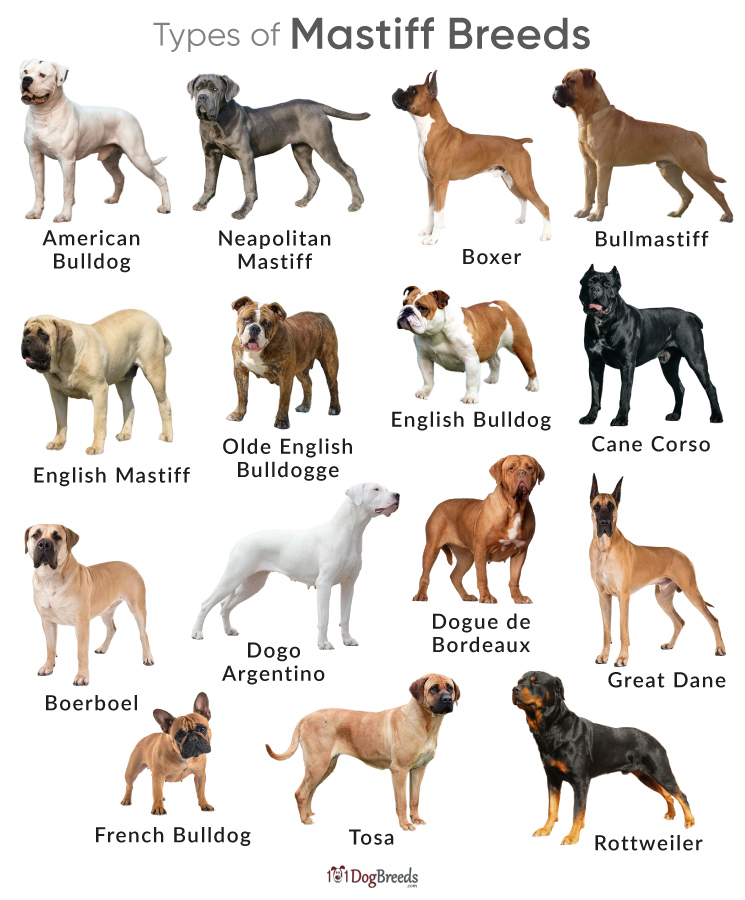
Modern kennel organizations place a number of breeds within the mastiff or mastiff-type category. These include both giant guardian breeds and smaller bulldog-type descendants.
Common mastiff-type breeds include:
Giant Mastiff Breeds
Medium Mastiff-Type Dogs
- Boxer
- American Bulldog
Small Mastiff-Derived Breeds
- English Bulldog
- French Bulldog
Although these dogs vary widely in size and appearance, they share a common historical lineage rooted in ancient Molosser dogs, the foundation stock for most mastiff breeds.
Why This Guide Focuses on Giant Mastiffs
While many dogs belong to the mastiff family, this guide focuses specifically on the giant mastiff breeds. These dogs share a unique set of challenges that smaller mastiff-type breeds do not face.
Giant mastiffs often weigh 120–230 pounds, grow rapidly during puppyhood, and place enormous demands on their joints, bones, and digestive systems. Because of this, they require specialized nutrition, careful growth management, and close attention to digestive health.
For owners of giant breeds such as the English Mastiff, Bullmastiff, Cane Corso, or Tibetan Mastiff, understanding these needs is critical to preventing problems like joint stress, rapid growth disorders, and digestive issues such as bloat.
For that reason, the focus of this resource is on the nutritional and digestive needs of giant mastiff breeds, while recognizing the broader mastiff family they come from.
Breeds
- Boerboel
- Bully Kutta
- Cane Corso
- Dogue de Bordeaux (French Mastiff)
- English Mastiff
- Fila Brasileiro
- Neapolitan Mastiff
- Perro de Presa Canario
- Tibetan Mastiff
- Toso (Tosa Inu)
Characteristics
The Mastiff Class includes some of the largest and most powerful dogs in the world. On average, these dogs weigh between 110 and 180 pounds and stand roughly 24 to 32 inches tall at the shoulder. They are known for their massive bone structure, broad heads, deep chests, and thick muscular bodies.
Coat types vary by breed, but most Mastiff-class dogs have short to medium-length coats in colors such as fawn, brindle, black, gray, or reddish tones. Their overall appearance is imposing and powerful, yet most Mastiffs carry themselves with a calm and confident presence.
Despite their size, many Mastiff breeds are known for their steady temperament, loyalty, and protective instincts, which historically made them excellent guardians of property, livestock, and family.
History

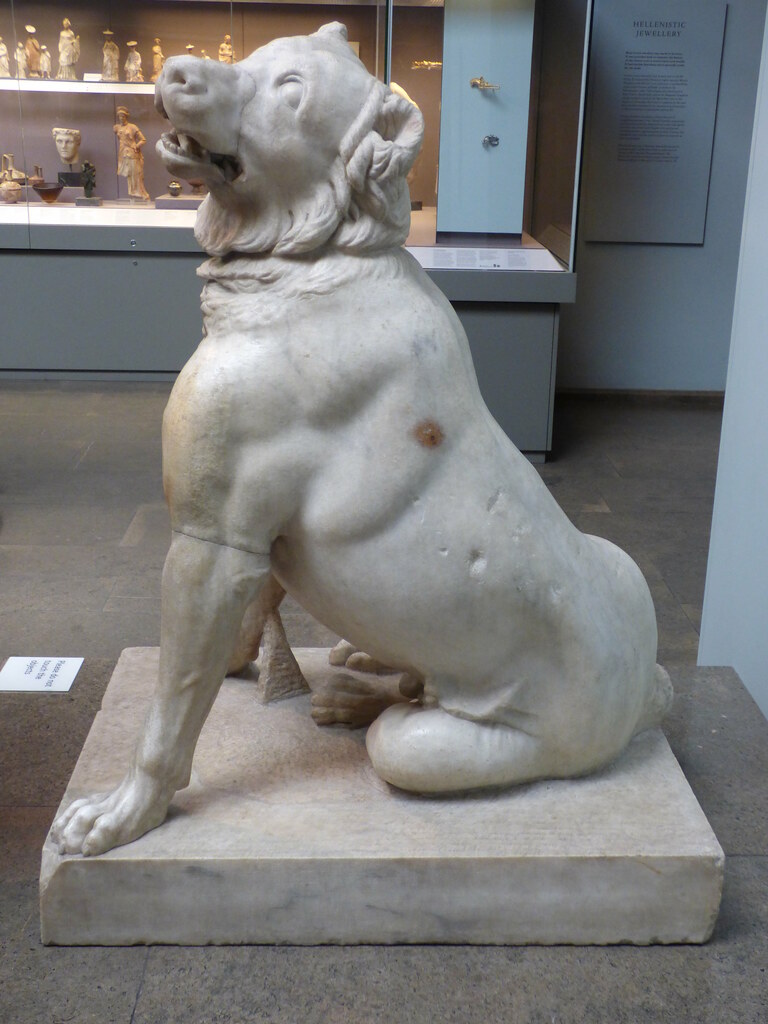
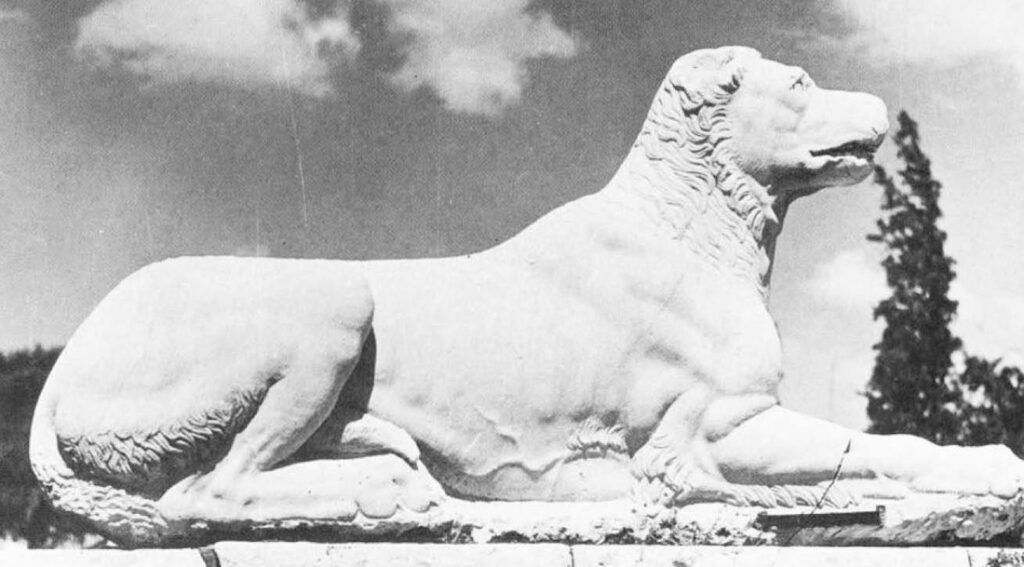
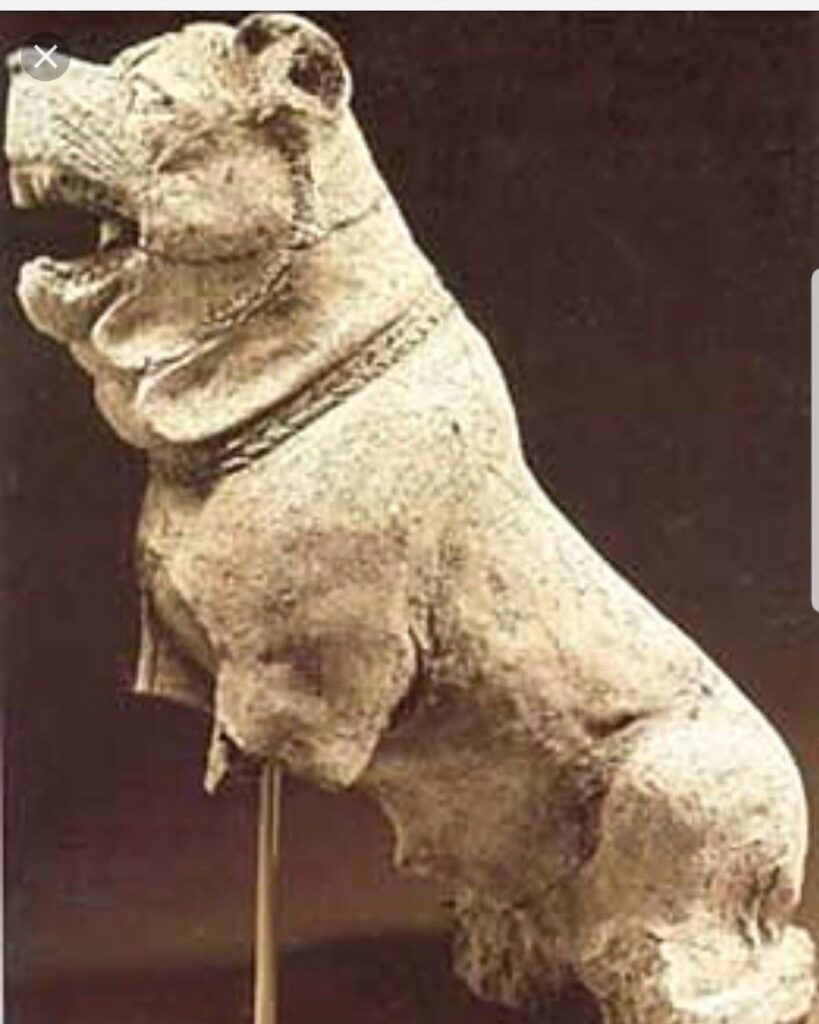
The Mastiff class traces its roots back thousands of years to the ancient Molossian dogs, powerful guardian and war dogs associated with the Molossian people of ancient Epirus, a region that spans parts of modern-day Greece and Albania. These dogs were renowned for their size, strength, courage, and protective instincts, making them valuable companions for livestock owners, landowners, and military forces alike.
Unlike modern dog breeds, the original Molossian dogs were not maintained through formal breeding programs or kennel clubs. Instead, they were practical working dogs bred for performance and survival. As trade routes expanded and civilizations interacted, Molossian-type dogs spread throughout Europe, the Middle East, and parts of Asia, where they influenced the development of many large working and guardian breeds.
Over centuries, different regions adapted these powerful dogs to meet local needs, climates, and working conditions. Some were developed to guard livestock against wolves, bears, and other predators. Others protected estates, accompanied soldiers into battle, hunted large game, or hauled carts and equipment. As these regional dogs evolved, they gradually became distinct breeds with their own appearances, temperaments, and specialized roles.
The original Molossian dogs eventually disappeared as a distinct population, blending into the many Mastiff-type and guardian breeds that developed across the ancient world. While the ancestral Molossers themselves are considered extinct, their influence remains visible in the large, powerful dogs that make up the modern Mastiff class.
Today, Mastiff-class dogs still retain many of the qualities that made their ancestors indispensable working partners. Their strength, loyalty, confidence, courage, and natural protective instincts continue to define the group, even as most now serve as family companions rather than livestock guardians or war dogs. Modern Mastiffs may live very different lives than their ancient ancestors, but they still carry the legacy of some of history’s most respected working dogs.
Behavior
Physical Power
Mastiff-class dogs are known for their tremendous strength and physical presence. Their heavy bone structure and dense muscle mass make them powerful animals capable of defending territory and family when necessary.
Despite their strength, most Mastiffs are naturally calm, observant, and deliberate in their actions. They tend to watch situations carefully before reacting, which is one reason they are often described as confident guardians rather than reactive dogs.
When properly trained and socialized, Mastiffs are typically steady, loyal companions that form deep bonds with their families.

French Bulldogs
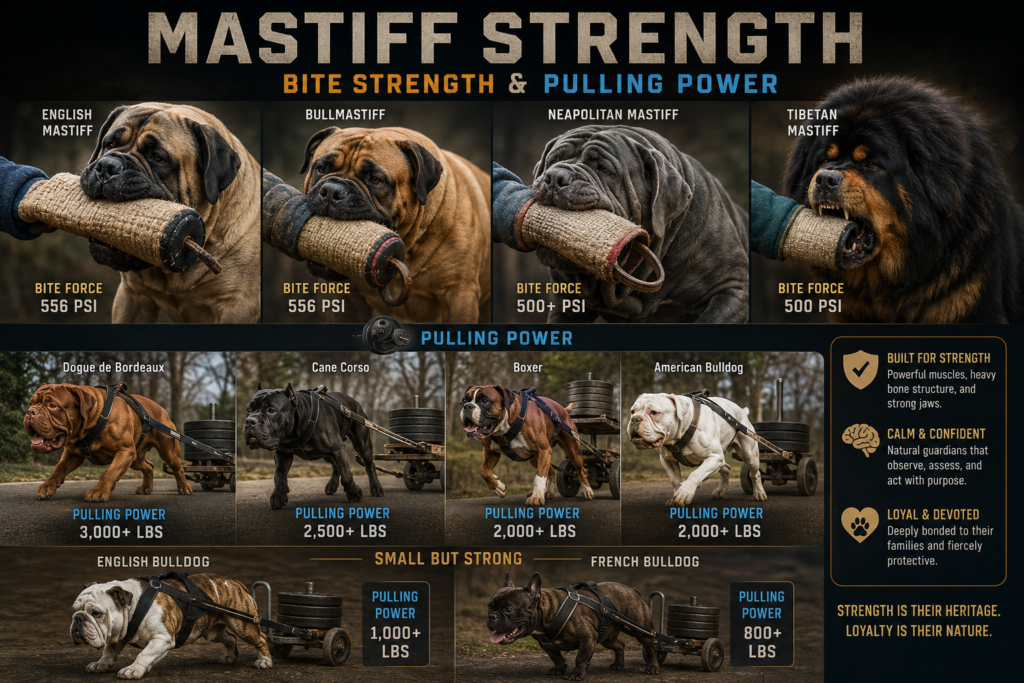
In UKC‑sanctioned weight pull events, French Bulldogs in the 20‑lb class have recorded pulls around 30× their bodyweight on wheels.
- Example: A French Bulldog named Jemm’s I Want It Now placed first in the 20‑lb class with a pull of 30 (times bodyweight) on wheels.
What this means: If the dog weighs ~20 lbs, a 30× pull equals roughly 600 lbs on a wheeled cart — not 800+ lbs.
English Bulldogs
English Bulldogs do compete in weight pull, but the available records from IWPA and UKC do not show verified pulls of 1000+ lbs for bulldogs in that weight range.
- English Bulldogs do not appear in the top pulling classes in IWPA or UKC results, and no official record lists them pulling 1000+ lbs on wheels.
What this means: A 1000‑lb wheeled pull is achievable by stronger pulling breeds (American Bulldogs, American Bullies, Boerboels, etc.), but not documented for English Bulldogs.
Why the numbers get confusing
Weight‑pulling uses wheeled carts, which drastically reduce friction. A dog pulling 20–40× its bodyweight on wheels is normal in competition.
So:
- A 20‑lb Frenchie pulling 600 lbs on wheels is impressive but plausible.
- Claims of 800+ lbs for a Frenchie or 1000+ lbs for an English Bulldog are not supported by official records.
Bottom line for your mastiff article
- French Bulldogs: Verified pulls around 600 lbs on wheels.
- English Bulldogs: No verified 1000+ lb pulls in official records.
- Mastiffs and other giant breeds: They can pull extremely heavy loads, but weight‑pull success depends more on drive, structure, and conditioning than size alone.
Why They Make Great Pets
Interaction with Children
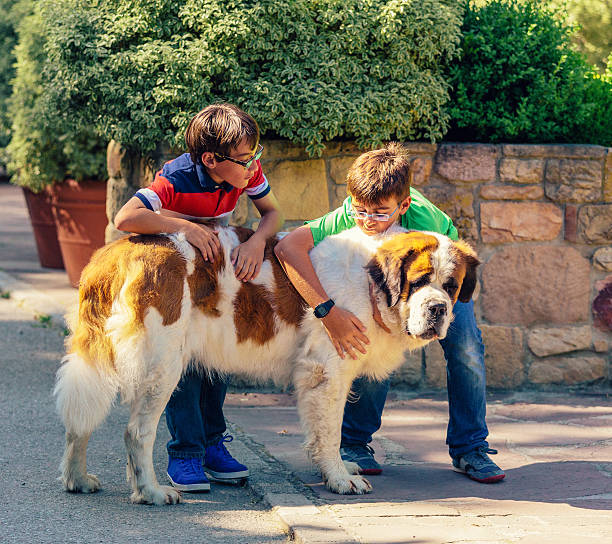
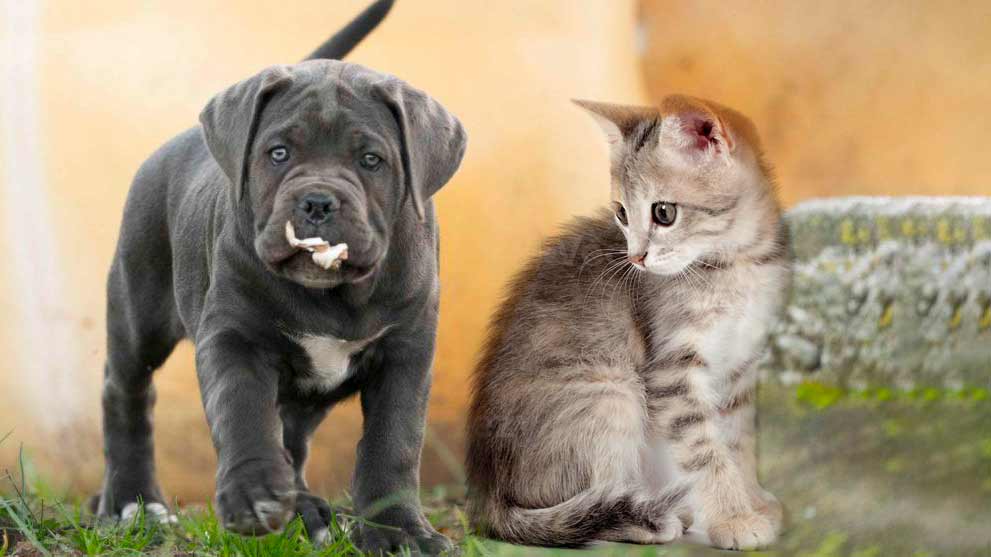
Many Mastiff breeds are known for being gentle and protective around children, especially when raised with them from a young age. Their calm temperament often makes them patient companions.
However, because of their size and strength, interactions between Mastiffs and young children should always be supervised to ensure safety for both the dog and the child.
Interaction with Other Pets
Mastiff-class dogs can live peacefully with other pets when they are properly socialized early in life. Many individuals coexist well with other dogs and household animals.
As with any large guardian breed, careful introductions and consistent training help ensure that the dog learns appropriate behavior around other animals.
Special Needs and Considerations
Diet & Nutrition
Proper nutrition is especially important for Mastiff-class dogs because of their large body mass and slower growth patterns. Diets designed for large or giant breeds help support bone development, joint health, and metabolic balance.
Maintaining a healthy weight is also important, since excessive weight can place additional stress on joints and internal organs.
Exercise Requirements
Although they are powerful dogs, most Mastiff breeds have moderate exercise needs. Daily walks, light play, and mental stimulation are usually sufficient to keep them healthy and content.
Excessive or high-impact exercise during growth stages should generally be avoided to help protect developing joints.
Training and Socialization
Training and early socialization are essential for Mastiff-class dogs. Their size alone makes it important that they learn good manners and reliable obedience from a young age.
Most Mastiffs respond best to consistent, calm training methods with positive reinforcement. Harsh training methods are rarely effective and can damage the trust between dog and owner.
Early exposure to different people, animals, and environments helps Mastiffs grow into stable, confident adults.
Grooming
Most Mastiff breeds have low to moderate grooming needs. Short-coated varieties usually require brushing once a week to remove loose hair and maintain coat health.
Bathing should be done as needed, and regular care such as nail trimming, ear cleaning, and dental care should be part of the dog’s routine health maintenance.
Life Span
The average lifespan for Mastiff-class dogs generally falls between 8 and 11 years, although some individuals may live longer depending on genetics, diet, and overall care.
Living Space Requirements
Due to their large physical size, Giant Mastiff-class dogs are usually best suited for homes with adequate indoor space and access to outdoor areas. While some individuals can adapt to smaller environments, apartment living is often challenging for dogs of this size.
Owners should ensure their Mastiff has enough room to move comfortably and maintain a relaxed living environment.

Training
Best Practices
Successful training with Mastiff-class dogs depends on consistency, patience, and early guidance. Starting training and socialization during puppyhood helps establish good behavior habits before the dog reaches full size.
Short, consistent training sessions combined with praise and rewards tend to produce the best results.
Common Mistakes for Owners
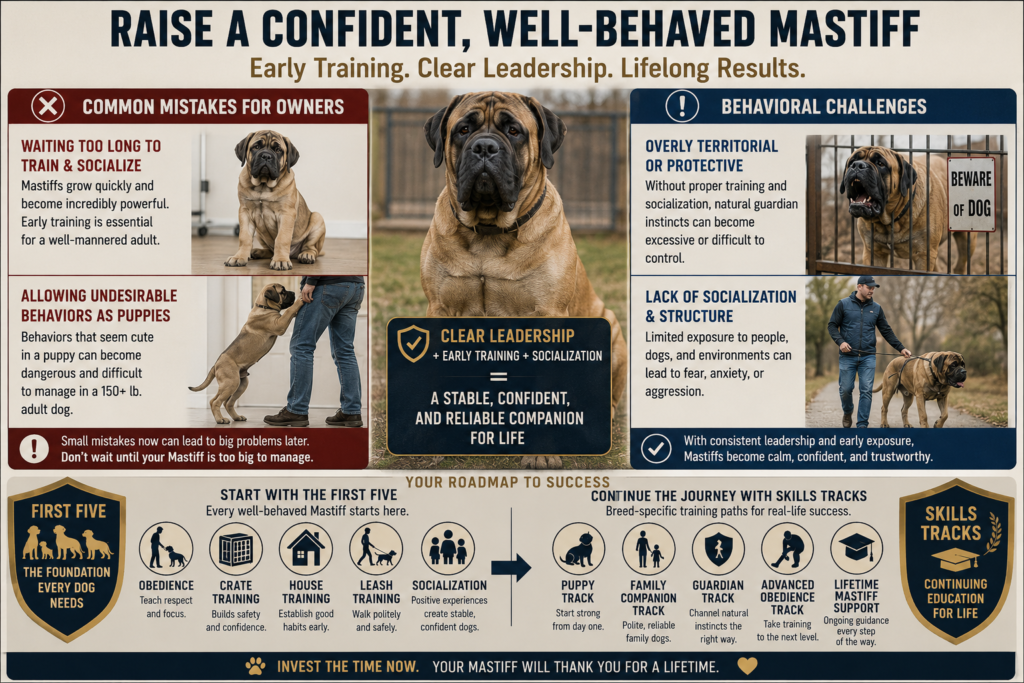
One common mistake new owners make is waiting too long to begin training and socialization. Because Mastiffs grow quickly and become very powerful adults, early training is essential.
Another mistake is allowing undesirable behaviors during puppyhood that become difficult to manage once the dog reaches its full size.
Behavioral Challenges
Without proper training and socialization, Mastiff-class dogs may become overly territorial or protective. While these instincts are part of their heritage, they must be properly managed to ensure the dog remains stable and reliable.
Clear leadership and early exposure to normal social situations help prevent many behavioral problems.
Managing Protective Instincts
Mastiffs naturally possess strong guardian instincts. Responsible ownership includes helping the dog learn when protection is appropriate and when calm behavior is expected.
Through training, social exposure, and confident leadership, Mastiffs can learn to remain relaxed while still maintaining their natural awareness of their surroundings.
Drawbacks of Owning a Mastiff
While Mastiffs can be wonderful companions, they are not the ideal breed for every household. Their size, strength, and guardian instincts require experienced and committed ownership.
Potential owners should be prepared for the responsibility that comes with caring for such a large and powerful dog.
Ailments and Health Concerns
Like many large and giant breeds, Mastiff-class dogs can be prone to certain health concerns. Some of the more common issues include:
- hip dysplasia
- elbow dysplasia
- joint disorders
- certain heart conditions
- bloat (gastric torsion)
Regular veterinary care, proper nutrition, and responsible breeding practices help reduce these risks.
Legal Status in the United States
Most Mastiff breeds are recognized by major kennel organizations such as the American Kennel Club (AKC) or other international breed registries. However, local laws regarding large guardian breeds may vary depending on city or county regulations.
Prospective owners should always review local animal control laws and housing regulations before acquiring any large breed dog.

Conclusion
The Mastiff Class represents some of the most impressive and historically significant dogs in the canine world. Known for their strength, loyalty, and calm confidence, these dogs have served humans for centuries as guardians, protectors, and companions.
For owners who understand their needs and are prepared for the responsibility of a giant breed dog, Mastiffs can become deeply devoted members of the family and remarkable lifelong companions. We hope our website GiantBreeds.net becomes a valuable resource to you in answering all your questions about these wonderful breeds.
