


Seizures in dogs can be frightening to witness — especially in giant breeds, where their size and strength make the episodes even more dramatic. While the experience can be overwhelming, understanding what’s happening during a seizure, recognizing early warning signs, and knowing how to respond can make all the difference in your dog’s safety and well-being.
What Is a Seizure in Dogs?
A seizure, also called a convulsion or fit, is a sudden, uncontrolled burst of electrical activity in the brain. This abnormal activity temporarily disrupts normal communication between brain cells, leading to changes in movement, behavior, and sometimes consciousness.
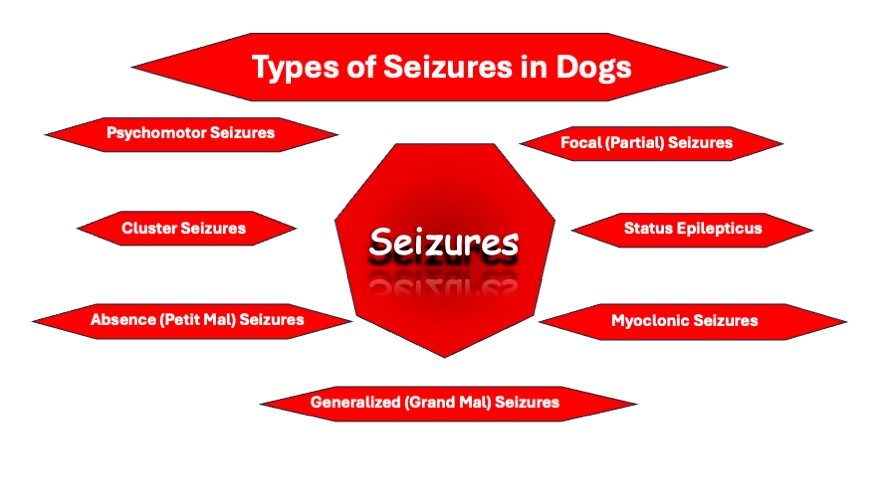
Seizures in giant breeds can have various causes — from epilepsy to underlying illnesses, head trauma, toxin ingestion, or even metabolic disorders. They are generally grouped into several types:
Types of Seizures in Dogs
Generalized (Grand Mal) Seizures – The most dramatic form, involving the entire body with loss of consciousness, stiffening, and rhythmic muscle contractions.
Focal (Partial) Seizures – Affect only one part of the brain, causing localized twitching, unusual movements, or odd behaviors without full loss of consciousness.
Cluster Seizures – Multiple seizures within a short period (hours), with incomplete recovery between them.
Status Epilepticus – A medical emergency where a seizure lasts longer than 5 minutes or multiple seizures occur back-to-back without recovery.
Absence (Petit Mal) Seizures – Brief episodes of staring or unresponsiveness, often mistaken for daydreaming.
Myoclonic Seizures – Sudden jerking movements of one or more muscles, sometimes as brief as a twitch.
Psychomotor Seizures – Appear as odd, repetitive behaviors like biting at the air, chasing an invisible object, or sudden frantic running.
What Causes Seizures in Giant Breed Dogs?
Causes can include:
- Idiopathic epilepsy (no identifiable cause, often genetic)
- Head injury or trauma
- Brain tumors or structural abnormalities
- Liver or kidney disease
- Low blood sugar (hypoglycemia)
- Infections or inflammation of the brain
- Toxin exposure (e.g., certain plants, chemicals, or human medications)
- Heatstroke
Because giant breeds age differently and often face unique orthopedic and metabolic challenges, their seizure triggers can sometimes differ from smaller breeds.
The Seizure Experience: Walking Through the Phases
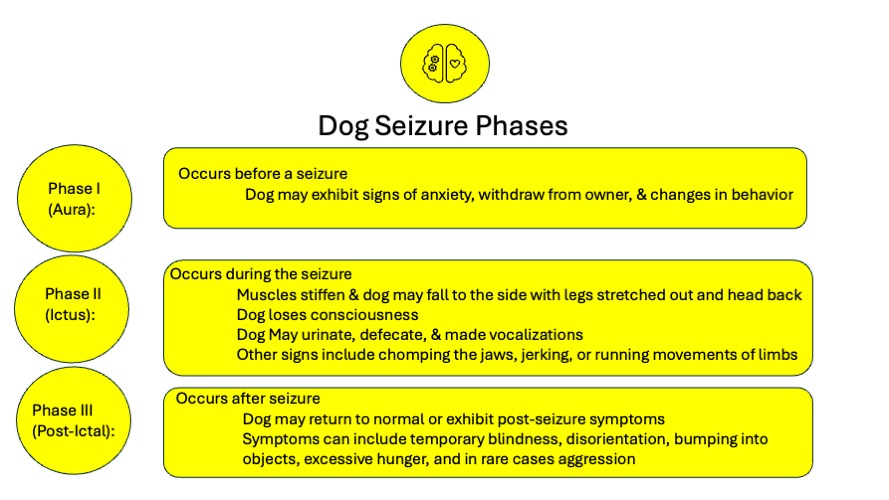
Seizures typically happen in three phases — pre-ictal (aura), ictal, and post-ictal. Understanding these stages can help you act quickly and safely.
Seizures in Dogs
Phase 1: Occurs before a seizure
Dog may exhibit signs of anxiety, withdraw from owner, & changes in behavior
Phase 2: Occurs during the seizure
Muscles stiffen & dog may fall to the side with legs stretched out and head back
Dog loses consciousness
Dog May urinate, defecate, & made vocalizations
Other signs include chomping the jaws, jerking, or running movements of limbs
Phase 3: Occurs after seizure
Dog may return to normal or exhibit post-seizure symptoms
Symptoms can include temporary blindness, disorientation, bumping into objects, excessive hunger, and in rare cases aggression
Phase 1: Pre-Ictal (Aura) — The Warning Signs
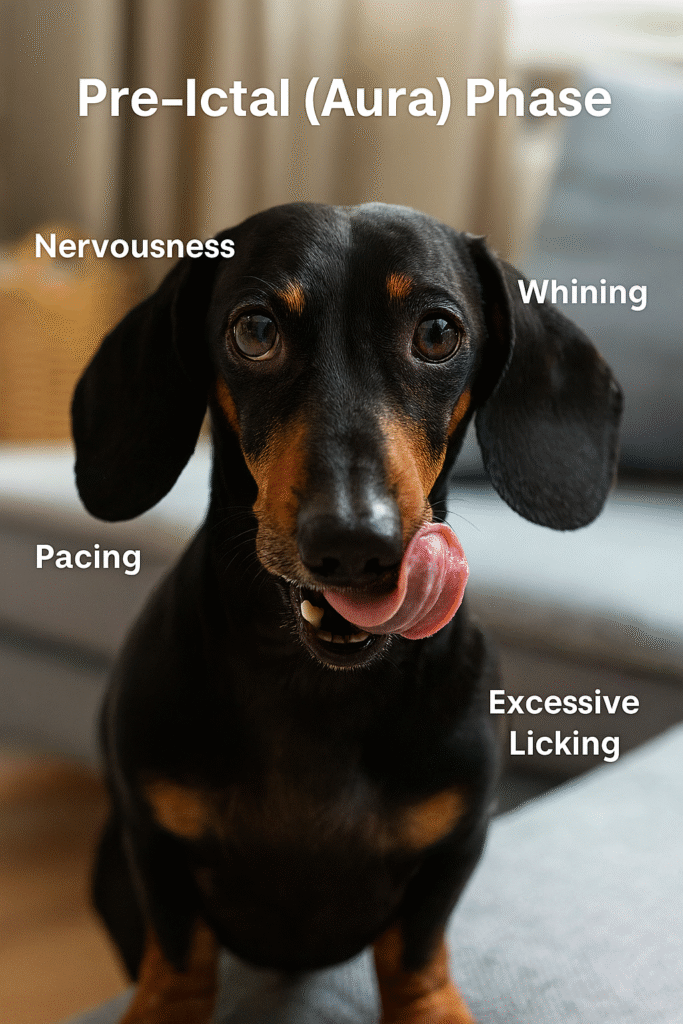
This phase can last from minutes to hours before the seizure actually begins. It’s your dog’s brain sending early distress signals.
Imagine “Fluffy” pacing restlessly, ignoring your call to come sit. She whines softly and keeps glancing at you with wide, glassy eyes that seem both confused and afraid. She doesn’t want to go outside, but she can’t settle in her bed either. Drool begins to gather at the corners of her mouth. A faint tremor runs down her legs. You might notice unusual behaviors — hiding, clinging to you, or staring off into space.
In this moment, Fluffy may still respond to her name, but you can feel something isn’t right. This is the window where you can prepare a safe space for her and remove nearby hazards.
Phase 2: Ictal — The Seizure Itself
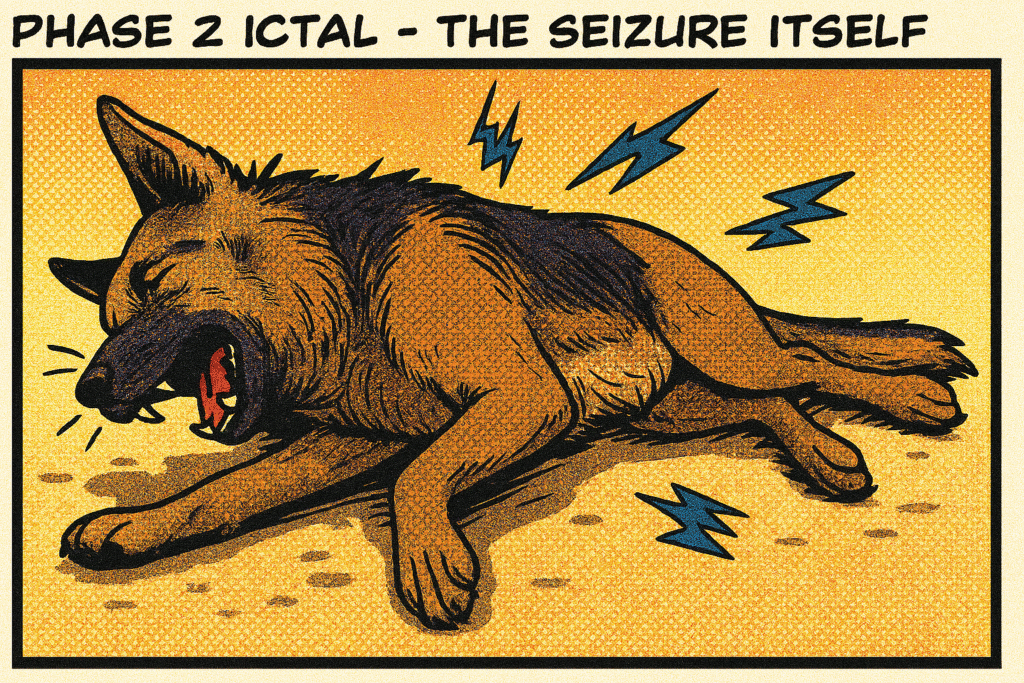
This is the actual seizure event and can last from a few seconds to several minutes, depending on the type.
Fluffy suddenly stiffens and collapses onto her side. Her legs begin to paddle uncontrollably, and her head jerks back. She may lose bladder or bowel control. Her breathing becomes irregular, and her jaw chomps in a rhythmic motion, sometimes producing foam or heavy drool. Her eyes might roll back or flick rapidly from side to side.
This is the most intense and distressing part to watch — but it’s critical you do not try to hold her down or put anything in her mouth. Your job here is to keep her from hitting sharp objects or falling, and to calmly time the seizure.
Phase 3: Post-Ictal — The Recovery Period
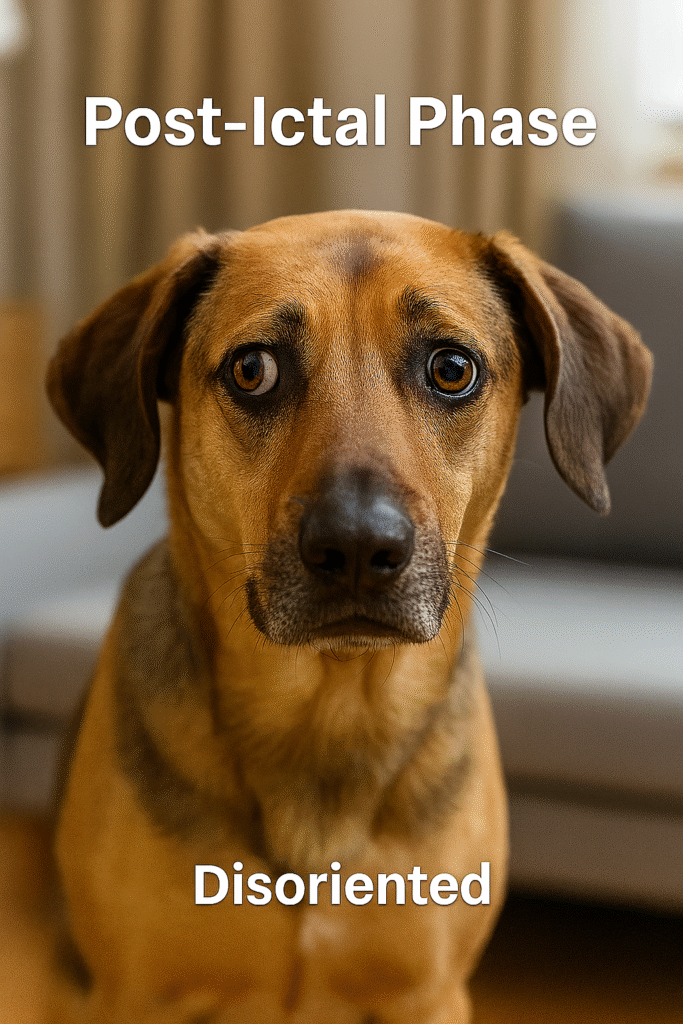
When the convulsions stop, Fluffy lies still, her chest rising and falling rapidly. She may appear confused, disoriented, and temporarily blind. Some dogs stumble as they try to stand, bumping into walls or walking in circles. Others may seek comfort from you or hide under furniture. This period can last minutes to hours.
She may be hungry, thirsty, or unusually clingy — all normal as her brain recalibrates. It’s important to keep her safe and quiet during this time and monitor for additional seizures.
Recognizing Seizure Symptoms
Pre-Ictal (Before Seizure)
- Restlessness, pacing, or whining
- Clinginess or hiding
- Confused or fearful expression
- Excessive drooling
- Subtle muscle twitching
Ictal (During Seizure)
- Sudden collapse
- Stiffened muscles and convulsions
- Paddling limbs
- Loss of bladder/bowel control
- Heavy drooling or foaming at the mouth
- Jaw chomping or chewing motions
- Eye rolling or rapid eye flicks
Post-Ictal (After Seizure)
- Disorientation or temporary blindness
- Stumbling, circling, or walking into objects
- Unusual clinginess or hiding
- Excessive thirst or hunger
- Fatigue or deep sleep

What to Do if Your Dog Has a Seizure
- Stay calm — your dog needs your steady presence.
- Move hazards out of the way (furniture, sharp objects).
- Time the seizure — if it lasts over 5 minutes, call the vet immediately.
- Do not put your hands near the mouth or try to hold them down.
- After the seizure, keep the environment quiet and dimly lit.
- Contact your veterinarian to discuss the episode and next steps.
Bottom line: While seizures in giant breed dogs can be alarming, understanding the phases and symptoms allows you to respond safely and support your dog through recovery. If your dog experiences repeated seizures or any seizure lasting over five minutes, it’s an emergency — seek veterinary care immediately.
Prevention

While not all seizures can be prevented, there’s a lot you can do to lower your dog’s risk and catch problems early. For giant breeds like Fluffy, prevention often starts with routine veterinary check-ups. These visits aren’t just for vaccines — they’re a chance for your vet to spot subtle neurological changes or underlying health issues before they become major problems.
Avoiding head trauma and toxin exposure is critical. That means keeping chocolate, human medications, and toxic plants out of reach, and making sure playtime in the yard or dog park is safe from hard collisions or dangerous drops.
Managing underlying health conditions — like heart disease or hypoglycemia — can reduce seizure risk dramatically. And because excess weight can strain your giant breed’s joints and their metabolic systems, a balanced diet and weight management plan can be a true lifesaver.
Products to Help
Certain products can make a big difference in both safety and quality of life. Padded dog beds and non-slip flooring help reduce the risk of injury if Fluffy has a seizure while moving or getting up. Orthopedic support gear — like supportive harnesses — can help her walk more comfortably during recovery.
For anxious dogs or those prone to stress-triggered seizures, calming aids like thunder shirts or pheromone diffusers can help create a peaceful environment. Meanwhile, home monitoring devices — from simple pet cameras to advanced seizure detection collars — can give you peace of mind when you’re not in the same room. Visit our GiantBreeds Supply Store for products that will help you care for your giant.
Action – Call the Vet
When should you grab the phone? If Fluffy just had her first seizure, if it lasts more than five minutes, or if she has multiple seizures in 24 hours, it’s time for immediate veterinary help.
While you wait for help or head to the clinic, record as much as you can — the duration, the type of movements you saw, any unusual triggers, and how long it took her to recover. Keep emergency vet numbers in your phone and posted somewhere visible at home so no one is scrambling during a crisis.
Veterinary Treatment
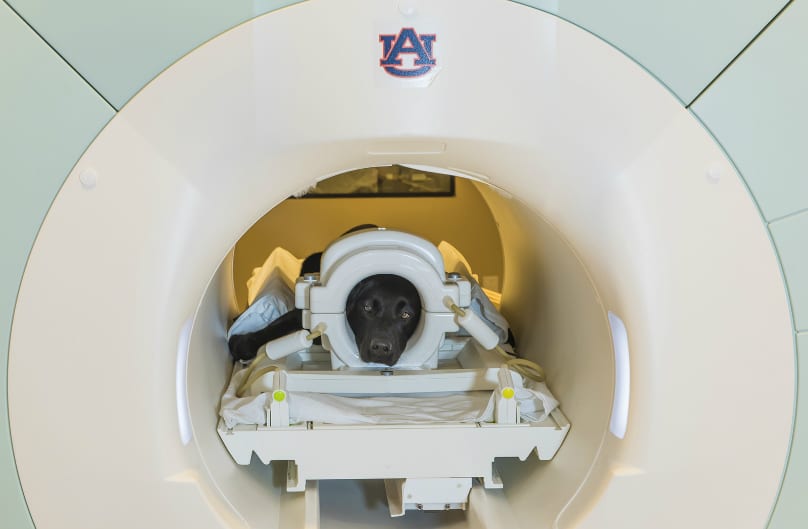
Once you’re at the vet, the diagnosis process may include bloodwork, neurological exams, and possibly imaging (like MRI or CT scans) to look for structural issues. If seizures become recurrent, your vet may prescribe medications such as phenobarbital, potassium bromide, or newer anticonvulsants.
Because giant breeds metabolize drugs differently, side effect management is a big deal — including regular liver monitoring and watching for weight gain. Treatment is highly individual, so your vet will tailor it to Fluffy’s needs and response.
Home Remedies
While no home remedy replaces proper medical care, there are ways to support recovery and safety. Create a safe environment with clear floor space during and after episodes. After a seizure, especially if Fluffy overheats, cooling measures like a fan or cool towel can help.
Offer gentle reassurance with your voice and presence — but never try to restrain her during the seizure itself. Over the long term, nutritional support for brain health — including omega-3 fatty acids and vet-approved supplements — can complement veterinary treatment.
Risk Factors
Certain factors make seizures more likely. In giant breeds, age and sex can play a role, with idiopathic epilepsy often showing up between 1 and 5 years old. Environmental stressors like extreme heat, loud noises, or overexertion can also be triggers.
Some metabolic conditions, like hypothyroidism or electrolyte imbalances, occur more often in large dogs, so it’s worth asking your vet about routine screening.
Genetic and Breed Considerations
Some giant breeds, including Great Danes and Bernese Mountain Dogs, have a higher incidence of idiopathic epilepsy. Selective breeding can unfortunately pass on seizure disorders, making genetic screening before breeding an important responsibility for ethical breeders.
Psychological Factors
Stress and anxiety don’t just affect mood — they can also lower seizure thresholds. Fluffy may be more vulnerable during periods of high stress, such as moving house or after a loud thunderstorm. Post-seizure, she might become clingy or fearful, and gentle desensitization training can help her regain confidence.
Surgical Options
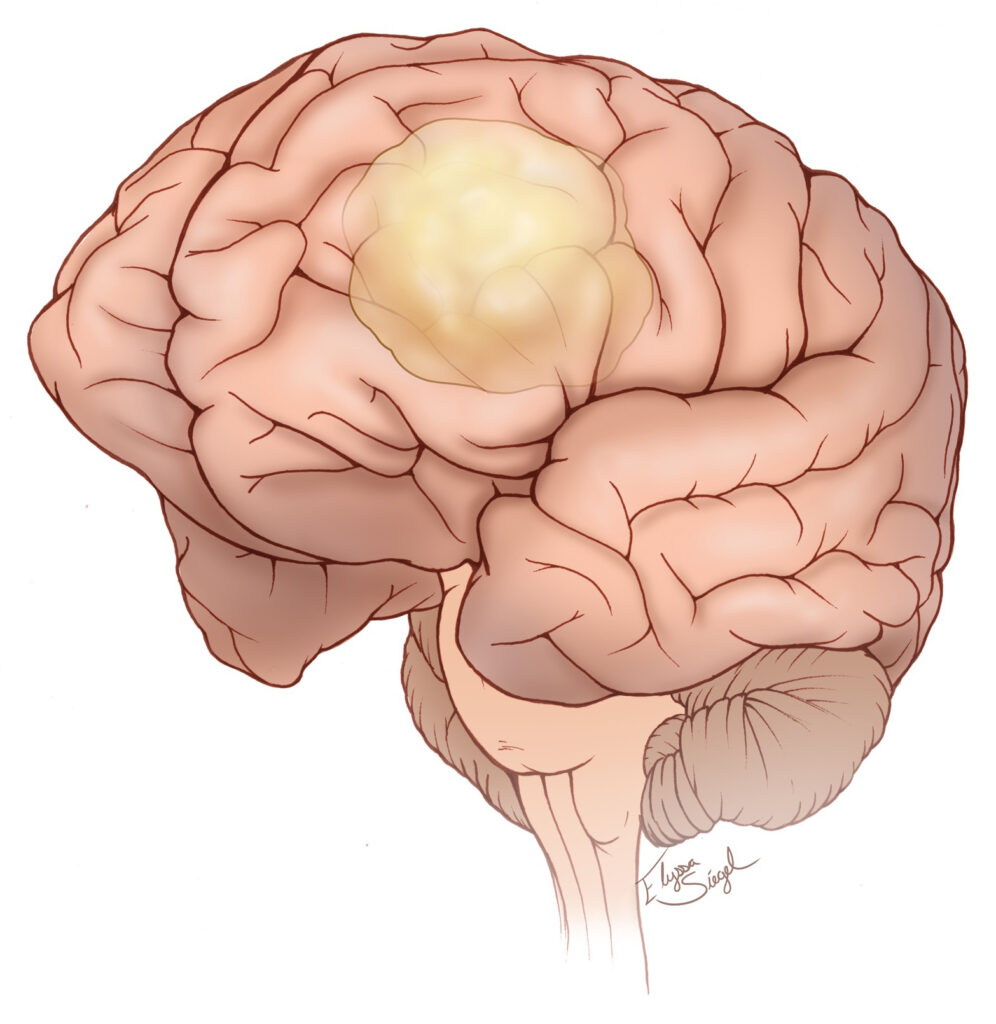
In rare cases, if seizures are caused by a brain tumor or structural malformation, surgery might be an option. For giant breeds, anesthesia requires extra caution — their size, heart health, and breed-specific risks all factor into the safety plan.
Monitoring
The best way to help your vet fine-tune treatment is to keep a seizure diary — noting dates, times, triggers, and recovery details. Schedule regular check-ups and blood tests to track medication effects and consider wearable tech that can log seizure events when you’re not present.
Emergency Contacts
Have a clear emergency plan that includes:
- Your primary veterinarian
- A 24/7 emergency animal hospital
- Pet Poison Control Hotline (ASPCA: 888-426-4435 in the U.S.)
- Local epilepsy support groups for dogs, where you can share experiences and resources
