Puppy Feeding & Care – Building Structure, Stability & Lifelong Health
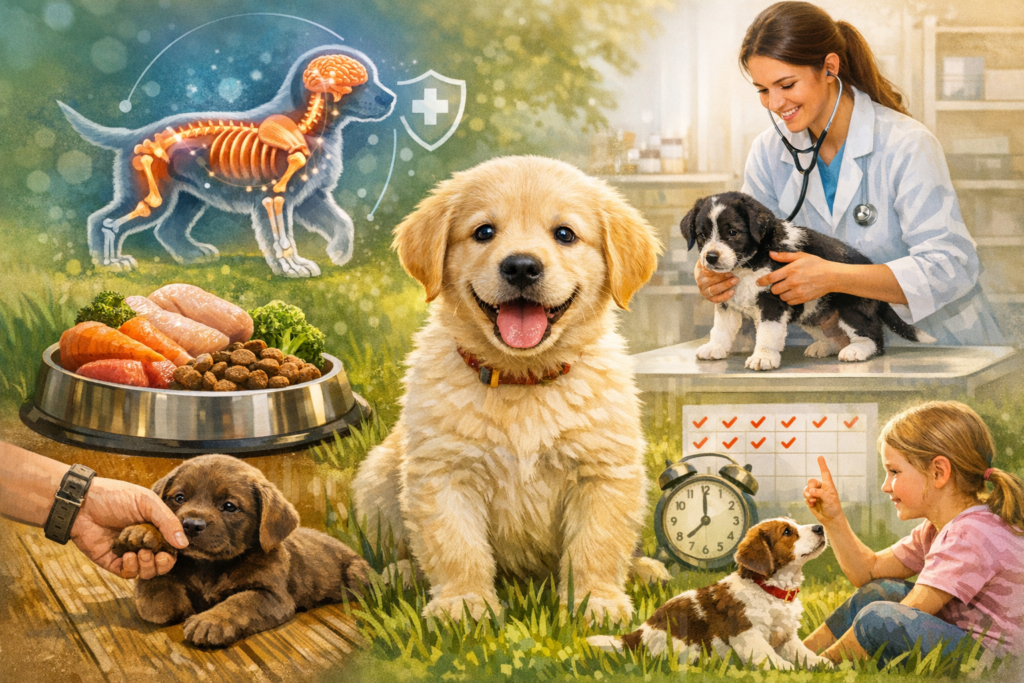
Puppyhood is not simply a smaller version of adulthood. It is a time when a dog’s body is developing at an incredible speed. Bones are forming, muscles are strengthening, the brain is learning, and the immune system is becoming stronger. All of these things happen in a short period of time.
Because of this rapid development, how a puppy is fed and cared for during the early months can affect its health for the rest of its life.
Good puppy care is not just about giving food. It is about building a stable system that supports healthy growth. This includes:
- Balanced and controlled nutrition
- Stable digestion
- Consistent routines and behavioral structure
- Regular veterinary monitoring
One important lesson for every owner to remember is this:
Early nutrition helps determine the strength and structure of the adult dog.
For large and giant breeds especially, feeding correctly during puppyhood can help prevent many problems later in life.
What Is Proper Puppy Feeding & Care?
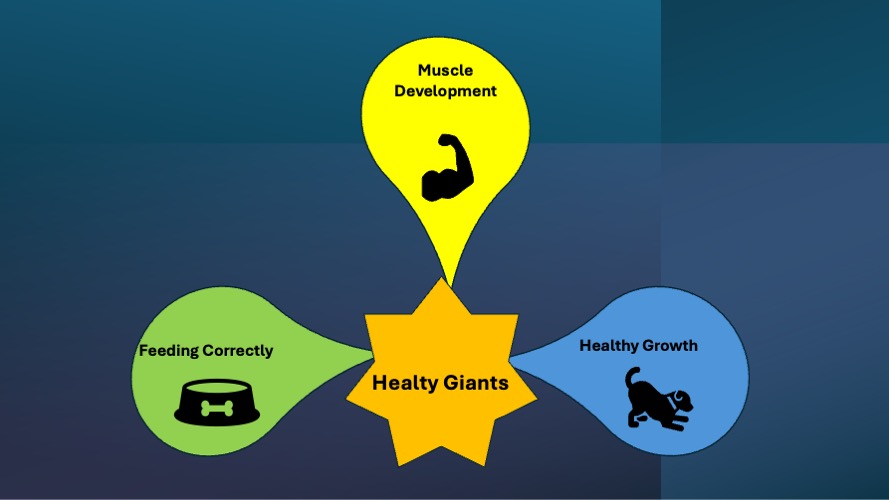
Proper puppy feeding and care means managing growth in a structured and controlled way.
It includes paying attention to several important areas:
- Growth rate
- Nutrient balance
- Digestive development
- Behavioral training and feeding routines
- Preventive health monitoring
Many people think puppies simply need “more food because they are growing.” In reality, healthy development is not about feeding more. It is about feeding correctly.
For example, there is a difference between healthy growth and rapid growth.
Healthy growth means bones, muscles, and joints develop together at a steady pace. Rapid growth, especially in large breeds, can place stress on the skeleton and joints.
It is also important to understand the difference between muscle development and fat gain. Puppies should build strength, not excess weight.
Feeding correctly helps ensure:
- Proper skeletal alignment
- Balanced muscle development
- Stable energy levels
Growth planning becomes especially important for large and giant breed dogs, where controlled development is safer than fast growth.
Activity level also matters. A companion puppy, an active family dog, and a working-line puppy may all require slightly different feeding strategies.
Signs Feeding or Care May Be Off Balance
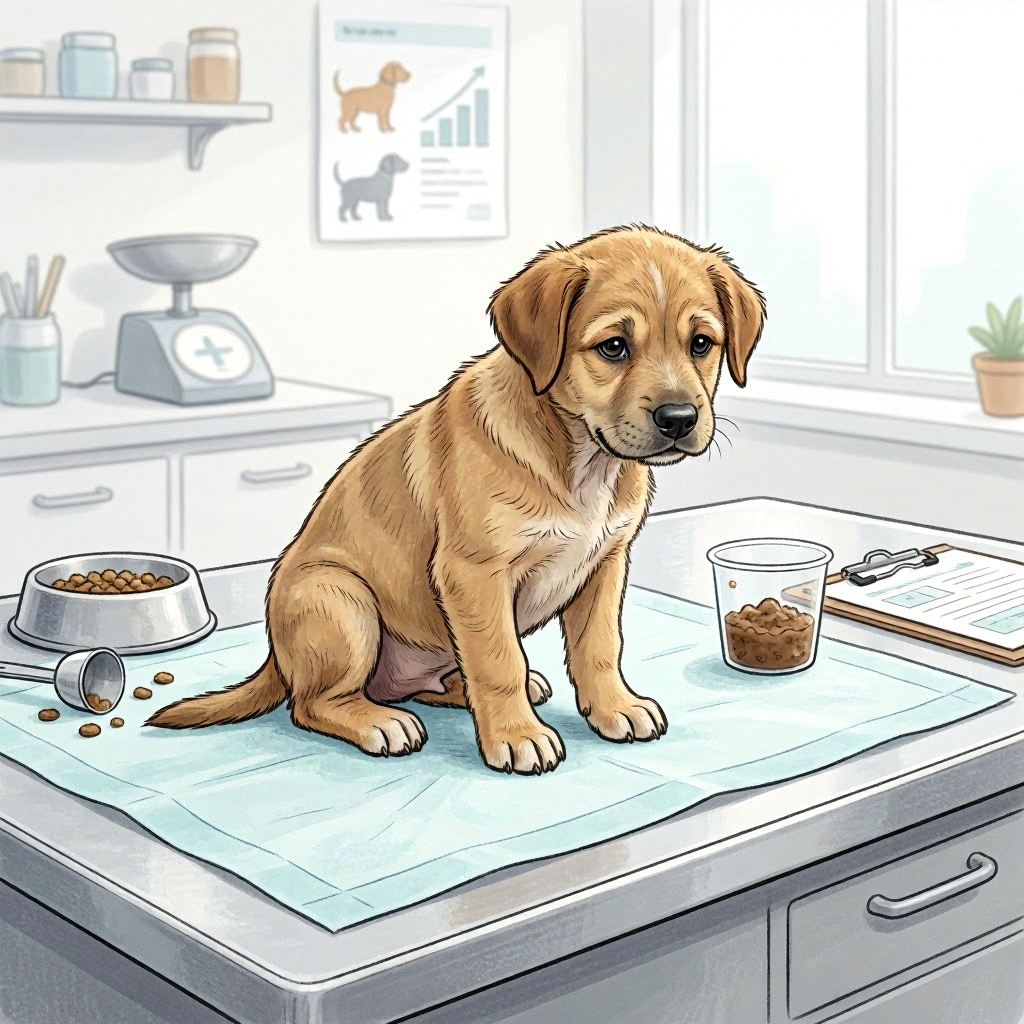
When nutrition or care is not balanced, the signs may appear slowly at first. Many owners miss these early signals because they seem small or temporary.
Some common warning signs include:
- Excessive weight gain
- Visible ribs combined with poor muscle tone
- Chronic soft stool or diarrhea
- Low energy or unusual lethargy
- Hyperactivity related to unstable feeding routines
- A dull or dry coat
- Uneven or awkward growth in large breeds
These symptoms may look minor early on, but they can build over time and lead to bigger health problems.
Digestive problems, such as frequent loose stools, may also indicate that the puppy’s diet is not working well for its system.
Coming Soon
Preventing Growth and Digestive Problems
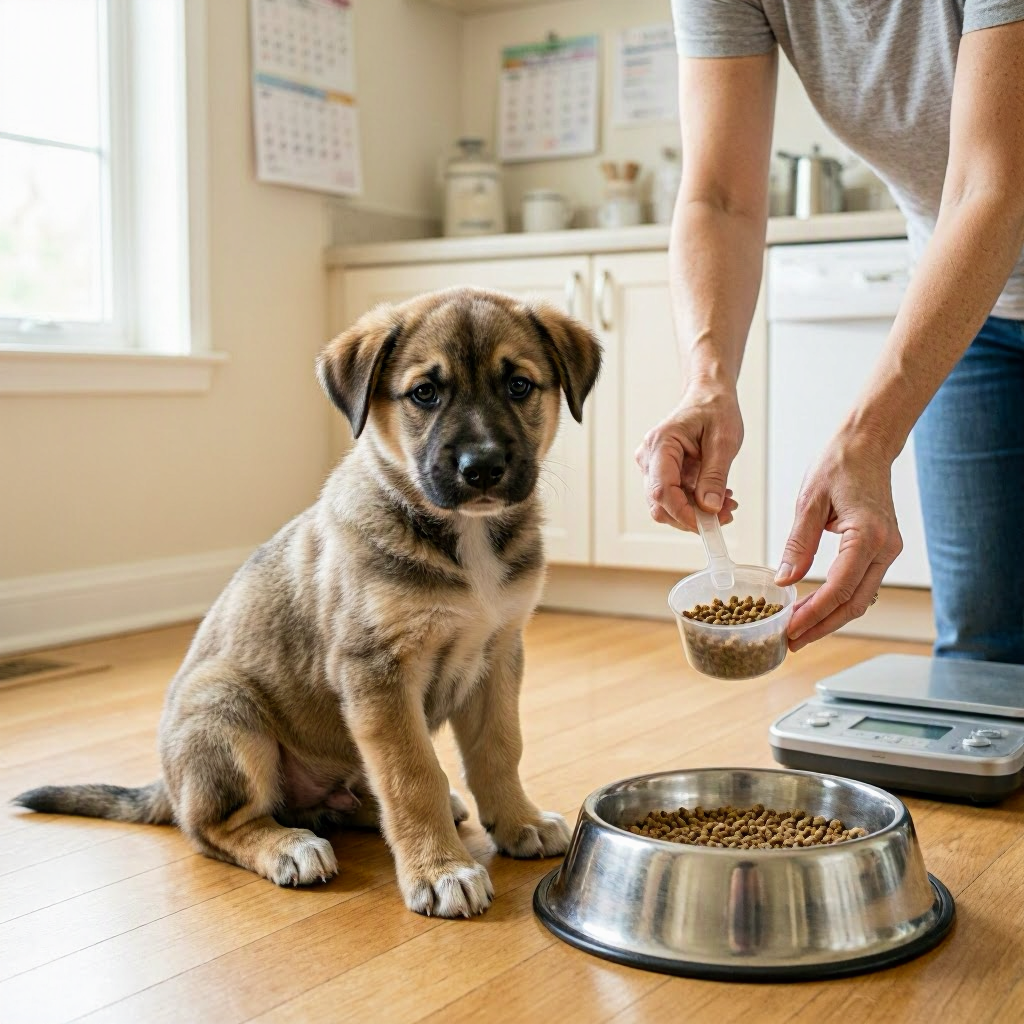
The good news is that many puppy health problems can be prevented with good feeding habits and careful observation.
Prevention begins with a few simple principles.
First, puppies should follow a structured feeding schedule. Free feeding, where food is always available, often leads to overeating and unstable digestion.
Second, puppies need food that matches their life stage. Puppy formulas are designed to support development in ways adult dog foods cannot.
For large and giant breeds, it is especially important to control calcium and phosphorus levels, because these minerals influence bone growth.
Other helpful prevention practices include:
- Transitioning foods slowly over 7–10 days
- Monitoring body condition regularly
- Weighing puppies periodically to track growth
- Scheduling routine veterinary wellness exams
Preventing problems early is far easier than trying to correct them later.
🐶 Obesity Prevention Article Coming Soon
Products That May Help
Certain tools and products can support healthy feeding routines. These products do not replace balanced nutrition, but they can help owners manage feeding more accurately.
Nutrition Support
Some helpful items include:
- Puppy-specific balanced food formulas
- Large-breed puppy foods with controlled calcium levels
- Measuring tools such as food scales or portion cups
Accurate portion control is important for maintaining steady growth.
Digestive Support
Digestive stability is also important during early development. Helpful products may include:
- Veterinary-approved probiotics
- Transition-support foods used when switching diets
- Fiber-support supplements when recommended
These tools can help protect digestive health while a puppy’s system is still developing.
Structural Support
Some products support physical development as well:
- Durable chew toys that support jaw development
- Appropriate chew materials for teething puppies
- Veterinary-guided joint support for large breeds if necessary
These items help encourage natural development without placing stress on growing bodies.
Puppyhood is a critical time in a dog’s life, especially for large and giant breeds whose bodies grow rapidly during the first year. Proper feeding routines, balanced nutrition, and careful monitoring help ensure healthy bones, stable digestion, and strong development.
The tools and supplies in this section are selected to help owners support safe puppy growth and establish healthy feeding habits that protect the long-term wellbeing of their dogs.
When to Call the Veterinarian
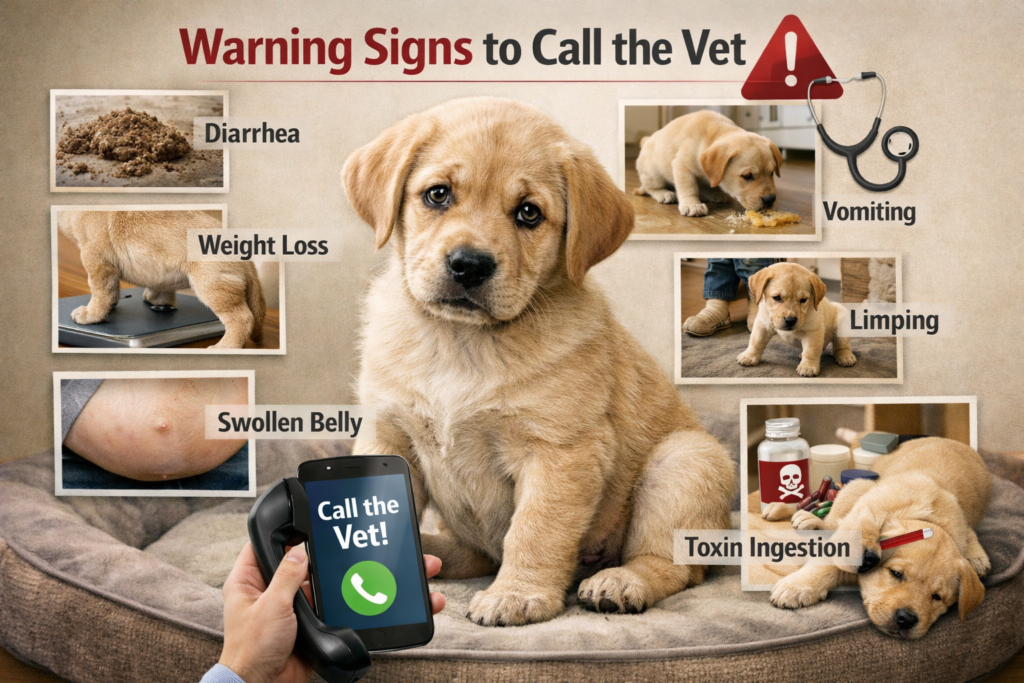
Sometimes problems develop that require professional care. Owners should contact a veterinarian if they notice any of the following:
- Diarrhea lasting longer than 24–48 hours
- Vomiting more than once
- Rapid or unexplained weight loss
- A puppy failing to gain weight
- Limping or signs of joint pain during growth
- A swollen or distended abdomen
- Possible toxin ingestion
Acting early can prevent small problems from becoming serious ones.
Owners should also be aware of dangerous foods and substances, which are covered in the Toxic Foods article.
🐶 Toxic Foods Article Coming Soon
Veterinary Treatment
When a veterinarian evaluates a puppy with health concerns, they may recommend several diagnostic or treatment steps.
These can include:
- Fecal testing to check for parasites
- Parasite treatment if needed
- Diet adjustments based on digestive tolerance
- Growth monitoring during regular visits
- Prescription gastrointestinal diets in certain cases
- Blood tests if deeper medical issues are suspected
For large and giant breeds, early intervention is especially important. Addressing problems quickly can prevent long-term skeletal or developmental complications.
Routine checkups during vaccination visits also provide excellent opportunities for veterinarians to monitor growth.
Home Remedies (Used Carefully)
Home care can sometimes provide temporary support, but it should always be used carefully.
Safe approaches may include:
- A short-term bland diet if recommended by a veterinarian
- Gradual food transitions over several days
- Ensuring puppies stay well hydrated
- Monitoring stool consistency and appetite
However, home remedies should never replace proper veterinary diagnosis.
During rapid growth phases, experimenting with many diet changes or supplements can create more problems than it solves.
Coming Soon
Risk Factors
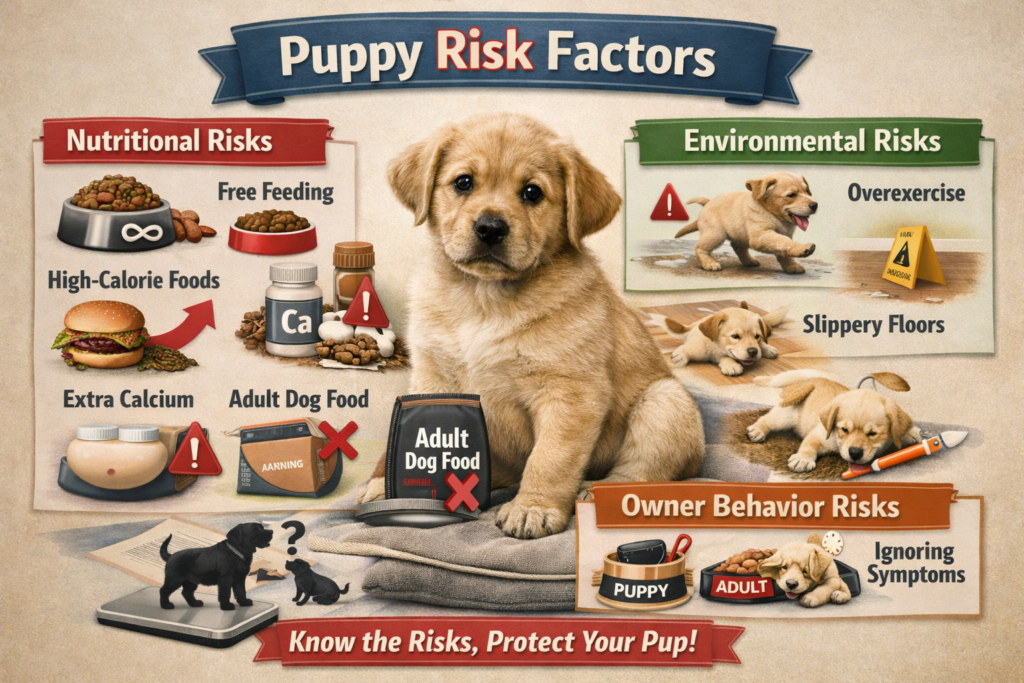
Certain habits and environmental conditions increase the risk of growth and digestive problems in puppies.
Nutritional Risk Factors
Common feeding mistakes include:
- Free feeding throughout the day
- Adding extra calcium supplements without veterinary guidance
- Encouraging rapid growth with high-calorie foods
- Feeding adult dog food to growing puppies
- Frequently switching between different foods
Environmental Risk Factors
A puppy’s environment can also influence development.
Examples include:
- Too much exercise on developing joints
- Slippery floors that interfere with stable movement and posture
Owner Behavior Risk Factors
Sometimes problems come from simple misunderstandings.
Owners may:
- Compare their puppy’s growth to other dogs
- Feed based on expected adult size rather than current needs
- Ignore small digestive warning signs
Understanding these risks helps owners make better feeding decisions.
Genetic and Breed Considerations
Different types of dogs require different feeding strategies.
Large and Giant Breeds
Large breeds need careful nutritional control. Too much calcium or excessive calories can cause rapid growth, which may stress developing bones and joints.
For these breeds, slow and steady growth is healthier than fast growth.
Toy Breeds
Small dogs have very different needs. They are more vulnerable to low blood sugar, so they often require smaller and more frequent meals.
Working-Line Puppies
Working breeds may burn more calories due to higher energy levels. Even so, calorie increases must be balanced carefully to avoid overgrowth.
Breed structure plays a major role in determining the safest feeding strategy.
Psychological Factors
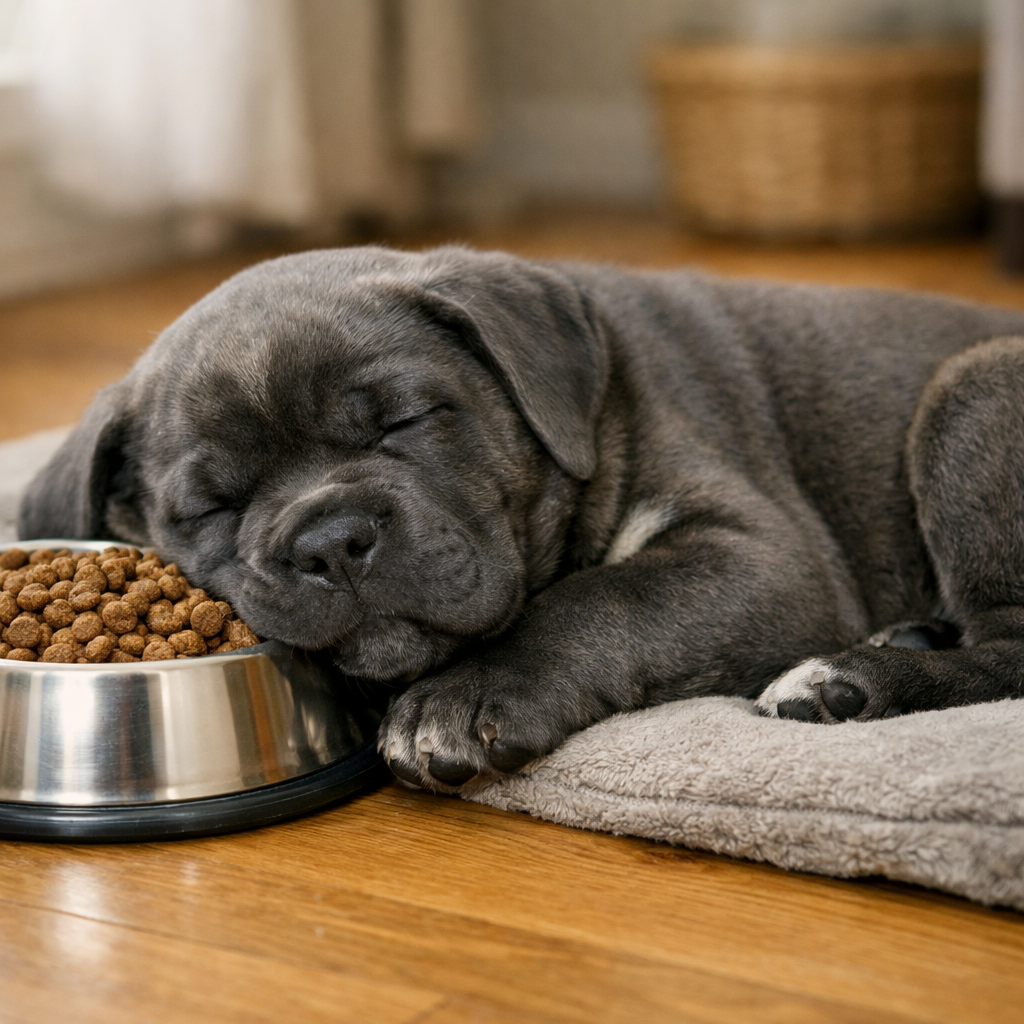
Feeding routines also influence a puppy’s emotional development.
Predictable feeding times help create a sense of stability and security. When routines are consistent, puppies tend to feel calmer and more confident.
Irregular feeding patterns, on the other hand, may contribute to:
- Food insecurity behaviors
- Resource guarding
- Anxiety around meals
Food should also not become the only training reward. Overusing food as a constant reward can create unhealthy feeding habits.
A stable feeding routine supports both physical health and emotional balance.
Surgical Options (Rare but Possible)
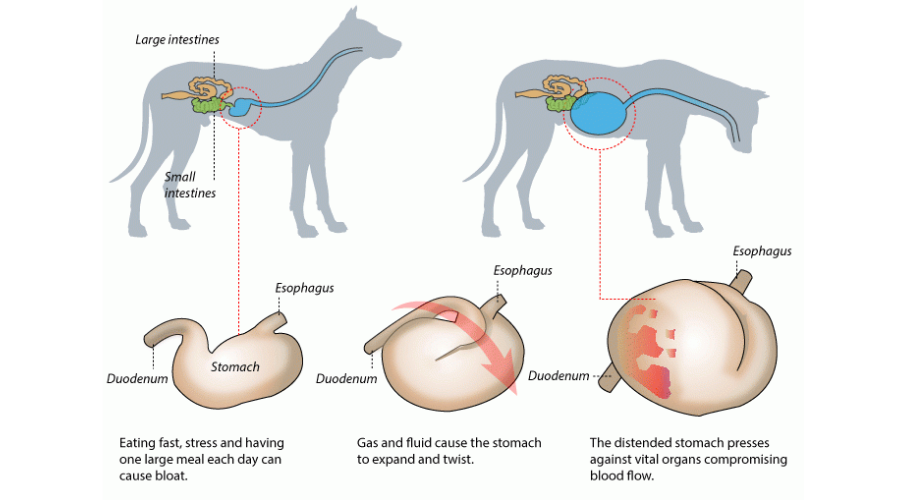
In some cases, serious developmental issues may require surgical treatment.
Examples include:
- Corrective orthopedic surgery for severe skeletal deformities
- Emergency surgery for intestinal obstruction
- Gastrointestinal surgery in rare medical cases
Fortunately, many of these problems can be prevented through proper feeding and careful monitoring during puppyhood.
Monitoring Your Puppy’s Development
Regular monitoring is one of the most powerful tools owners have.
Healthy puppy development should be observed over time, not judged from a single moment.
Important things to monitor include:
- Weekly weight changes
- Body condition (ribs should be easy to feel but not visible)
- Stool consistency
- Appetite stability
- Energy levels
- Limb alignment in large breeds
Monitoring helps owners catch problems early and adjust care before they become serious.
Coming Soon
Emergency Contacts
Every puppy owner should prepare for emergencies before they happen.
It is helpful to keep the following information easily accessible:
- Your primary veterinarian’s contact information
- The nearest 24-hour emergency veterinary clinic
- Animal Poison Control contact numbers
- Vaccination records and feeding notes
Preparation makes it much easier to respond quickly if something unexpected occurs.
Puppy feeding and care may seem simple at first, but it is one of the most important responsibilities of dog ownership. By building strong feeding routines and monitoring growth carefully, owners help their puppies develop into healthy, balanced adult dogs.
