Why This Skill Track Exists
Some dogs are born to move. Others live to protect, to guide, or to solve problems—and they feel restless without a role. The Skill Tracks were built to honor that instinct. Each one offers a focused path of continuing education after the First Five and Social Code work are in place.
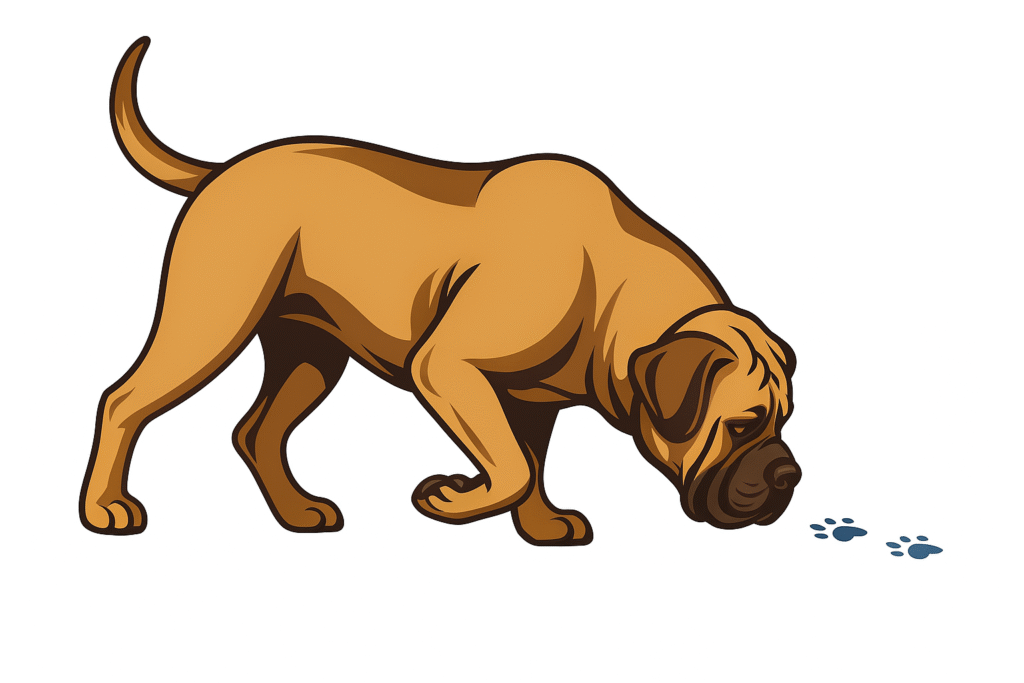
Hunting Training & Scent work exists because some dogs need more than manners—they need a mission. This isn’t about competitive trophies or social media stunts. It’s about nurturing your dog’s true nature, giving their instincts a safe outlet, and strengthening the working bond between human and giant.
When this Skill Track is done right, it develops a dog’s natural potential while refining the human’s leadership, timing, and emotional connection. It helps the owner understand what “listening” actually looks like—and shows the dog what “being understood” feels like.
And yes, Social Code matters here too. Skill Tracks don’t override temperament—they enhance it. Compatibility with your dog’s Social Code Setting determines whether this Track will be a joy… or a job.
What This Training Develops
Every Skill Track leaves a lasting mark on both dog and human. Here’s what this one build:
Physical:
Expect gains in stamina, coordination, and physical confidence. Dogs learn to move with purpose, even though challenging environments.
Mental:
Pattern work is the heart of every advanced skill. This Track fosters sustained focus, memory, puzzle-solving, and cue interpretation.
Emotional:
Dogs grow in stability, trust, and resilience. A clear training path builds confidence—especially for dogs who tend toward anxious, high-alert, or easily bored states.
Section 3: Social Code Compatibility (Completed)
This Skill Track aligns most strongly with the following Social Code Settings:
- Setting 1: A Safe Place
Dogs working scent or hunt tasks must stay emotionally centered. Comfort and predictability build confidence in chaotic environments (fields, woods, etc.). - Setting 2: Mutual Language
This Track thrives on subtle feedback. You’ll learn to read ear flicks, breathing changes, and tail posture as much as formal cues. - Setting 3: Bonded Trust
Whether trailing scent or flushing game, dogs need the freedom to act—but only if they know you’ll back them up. Trust is what lets them range without disconnecting. - Setting 4: Purpose Path
This is a deep instinct for some dogs. When supported properly, scent and hunt work shift from obedience to identity.
🔸 This Track emphasizes Settings 2 and 4 most. Mutual Language builds technical skill. Purpose Path channels natural drive into meaningful work. Bonded Trust develops as teamwork deepens.
Giant Breeds That Fit This Track
Let’s face it most giant breed of dogs are just not built for hunting, tracking and scent work. But there are always exceptions. We only really have 3 that might like doing this activity as a breed but more than likely it will be that rare 1 in 100 that actually likes to do this kind of work. But we are going to talk about it anyway just so that you know about it as a possibility for keeping your giant engaged.
And we are going to go over this section as if all Giant Breeds are just naturally skilled at this track because who knows your giant baby might just be one of those rare exceptions.
✅ Excellent Fit
These breeds are built for this Track, either by instinct, structure, or drive:
- Bloodhound (Not a Giant Breed )
- Doberman Pinscher (Not a Giant Breed )
- German Shepherd Dog (Not a Giant Breed )
🟡 Good Fit (With Modifications)
May enjoy this Track if pacing, environment, or motivation are adjusted:
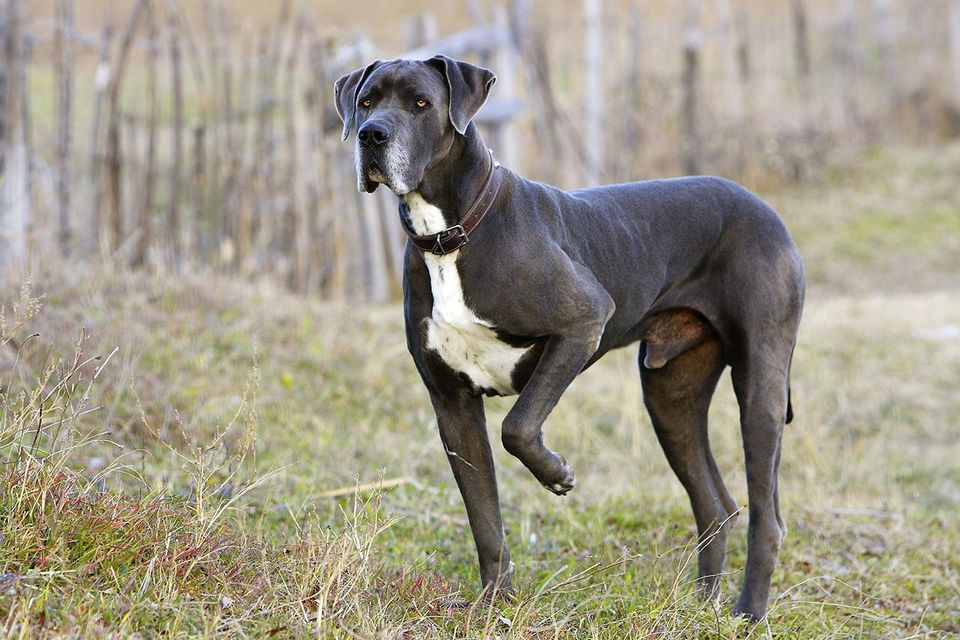
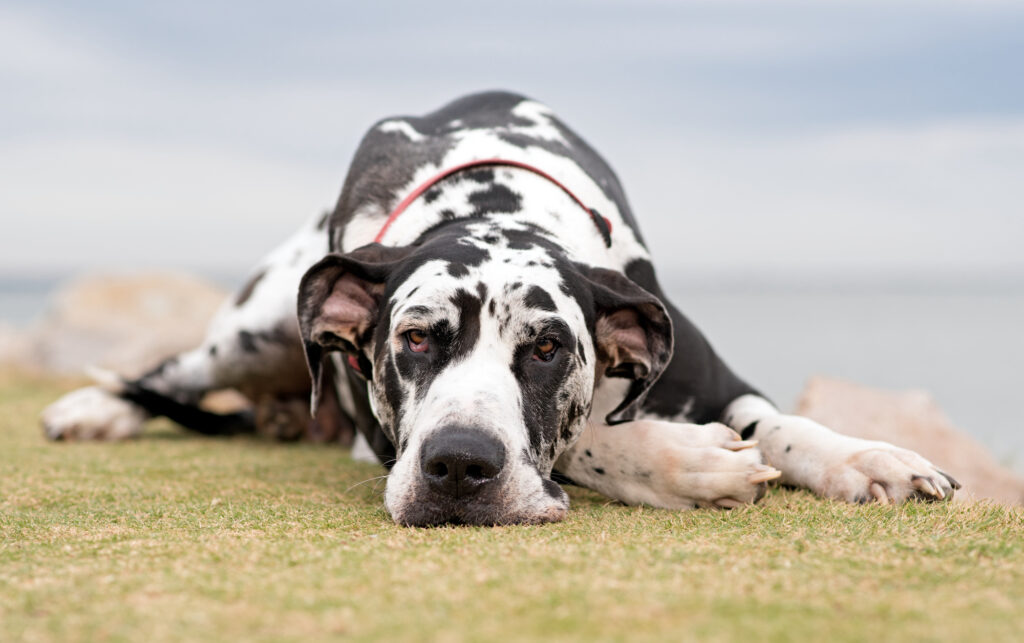
- Great Dane
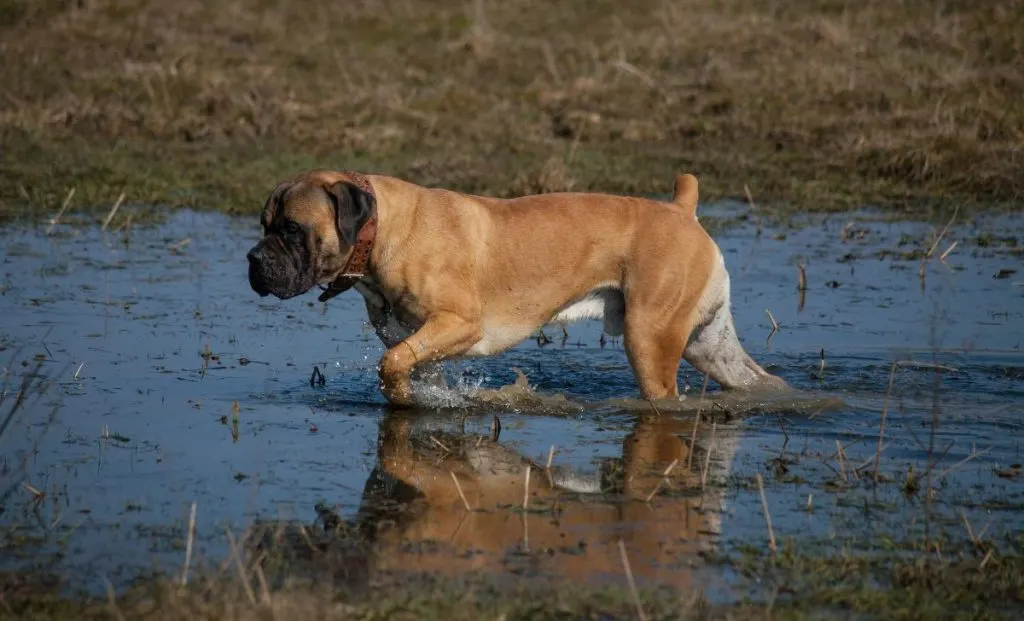
- Boerboel
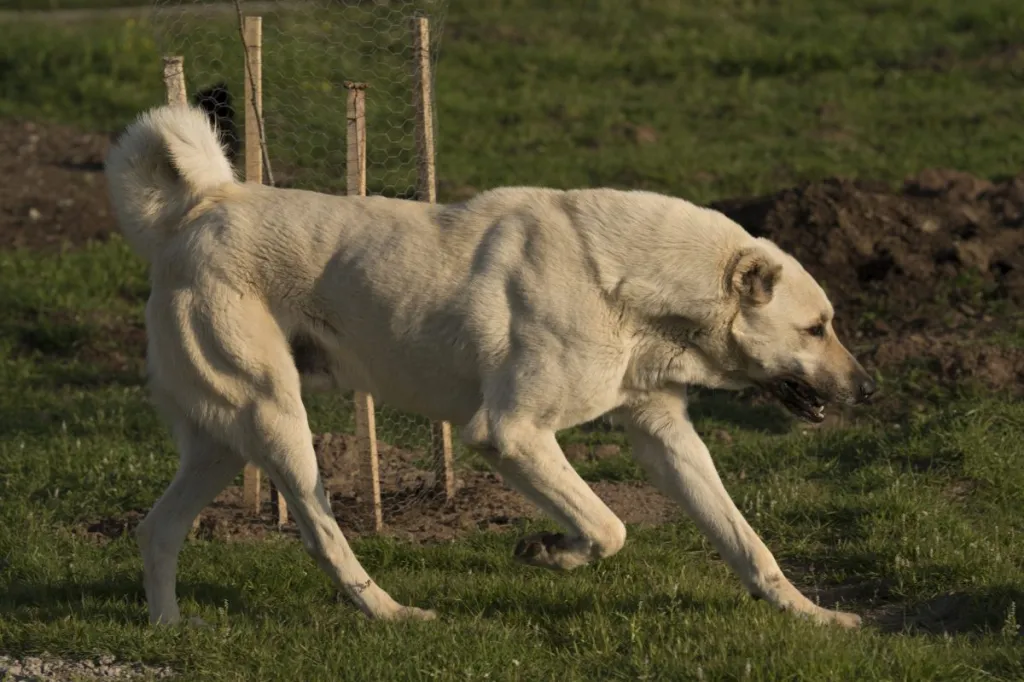
- Anatolian Shepherd
❌ Not Ideal
These breeds are typically mismatched due to temperament, drive, or body type:
- English Mastiff
- Irish Wolfhound
- All the rest of them
Note: Some low-drive dogs may still enjoy nose-based puzzle games or tracking in limited doses. Let curiosity—not pressure—lead.
Training Goals & Milestones (aka: Let’s Pretend They’ll Do This)
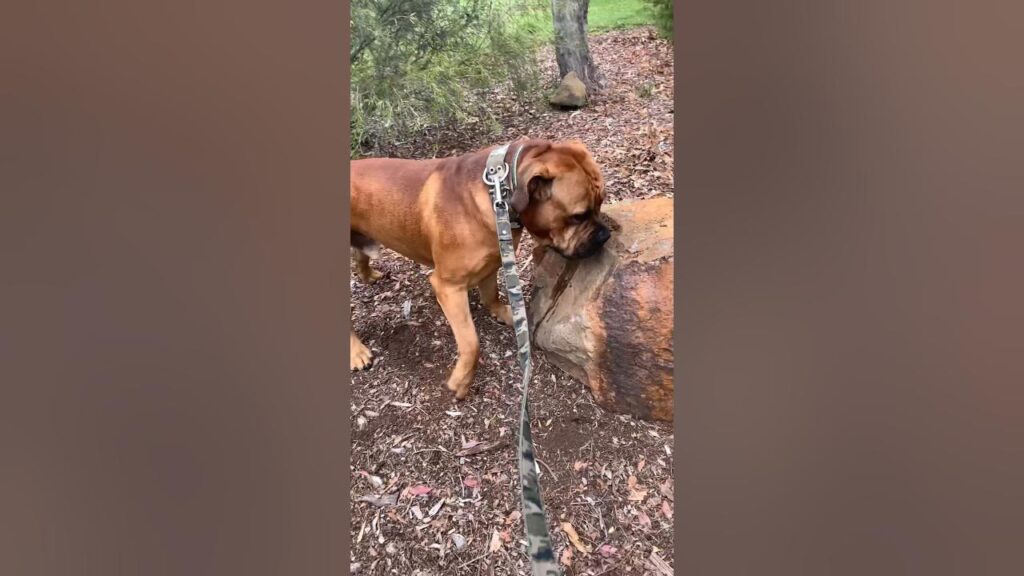
If your giant breed shows even mild interest in sniffing something other than the treat in your hand — congratulations, you are already halfway ahead of expectations. Here’s what “progress” might look like:
Beginner Level
✔ Pairing scent with something exciting (food, toy, your last shred of hope)
✔ Simple hide-and-seek searches in familiar spaces
✔ A recall foundation — or at least them stopping when you yell their name the third time
Intermediate Level
✔ Following a scent trail… for more than eight feet
✔ Offering a “find signal” — sit, bark, paw… or stare at you until YOU go get the thing
✔ Attempting to focus through distractions like wind, birds, or existential reflection
**Advanced Level (The Realm of Fantasy)
✔ Scent discrimination puzzles — because apparently your dog now solves mysteries
✔ Working at distance while you try not to panic
✔ Smooth, silent teamwork like you’re in a spy film instead of a muddy field
Trainer’s note: Sessions for normal dogs might run 30–60 minutes.
With your giant beast? Train for as long as they’re interested…
or until you give up and pick a different Skill Track that sparks joy.
We believe in you. Mostly.
Products that Might Help
Common Mistakes & Misfits (When Reality Arrives)
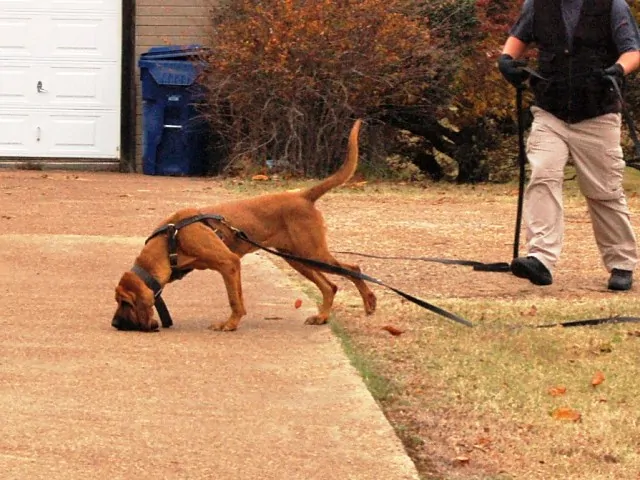
Even pretend scent work has pitfalls:
🔸 Too much scent too soon — Your giant does not need the whole forest to track a biscuit.
Start boring. Build slowly. Celebrate tiny wins like sniffing in the correct direction.
🔸 Pressure ruins everything — You can’t make them find the smell.
If they fake success by pointing at a tree, take the hint. Reset and try again tomorrow.
🔸 Calm ≠ Disinterest — Stillness may mean deep thought… or a nap. Hard to say.
🔸 Skipping foundation skills — A scent dog without recall is just a wandering horse.
This track is possible — but humility pairs beautifully with a long line and snacks.
Lifestyle Fit for the Human (Because YOU’RE Working Too)
Before signing up for this grand fantasy, ask:
⏳ Time Needed
2–3 practice sessions weekly for normal-sized dogs.
For giants? 1–2 sessions and a sense of humor.
🌲 Space & Gear
Field, yard, or living room maze of cardboard boxes.
Optional tools: drag line, scent sample jars, your finest bribery treats.
💪 Physical Demand
Some sniffing is gentle. Field work involves terrain, mud, and regret.
☕ Best Human Match
People who like puzzles, patience, and tiny victories.
If you enjoy saying “We’re making progress… probably!” — welcome home.
Getting Started (Lightly, Slowly, Carefully… With Snacks)
- Gear Basics — Don’t buy $300 level-5 tracking harnesses day one.
Start with a collar, a long line, and a dream. - First Session — Keep it short and fun.
If you both leave smiling (or panting), that’s success. - Watch Their Reaction — Curious nose = continue.
Blank stare = try cheese. - Call a Trainer When Needed — Especially one who understands that
your dog is not defective — just gigantic.

Resources (Because Hope is a Skill Too)
We know you’re here because deep inside, you believe your giant might be the one.
Not the fastest, not the sharpest, definitely not the most aerodynamic —
but the one who could track a scent… if the spirit moved them.
Below are resources that may nurture that spark into a flickering torch:
📚 Training Guides & Articles
Intro to Tracking — How to lay trails, read dog body language, and celebrate half-successes.AKC Scent Work Foundations — The official basics, for when you want to pretend you’re training a Border Collie.
Intro to Tracking — How to lay trails, read dog body language, and celebrate half-successes.
Working Dogs 101 — Understanding drive, motivation, and why your dog doesn’t have any today.
🎥 Beginner-Friendly Video Trainings
4. Scent Work at Home (YouTube) — Start with boxes, treats, and comedic patience.
5. Tracking on Trails — Step-by-step visuals for when your dog wanders into the creek instead.
6. Signal Training Tutorials — Teach your giant how to tell you they found something instead of just standing beside it.
Teaching dogs the ‘find it’ scent game
How to teach your dog BEGINNER scent detection / nose work
How to Train Your Dog for Scent Work (Nosework) in 3 Easy Steps
Scent Training for Dogs – Tracking Vs Trailing with Jeff Shettler
Training Dog to Track Wounded Deer: Bring Out Their Natural Ability!
🤝 Communities & Support Networks
Facebook Groups for Nose Work & Tracking — Where people will cheer with you when your dog succeeds for 4 whole seconds.
Scent Trial Clubs & Meetups — See real working dogs, get inspired, then go home and try to recreate the magic. It might work. Maybe.
More will be added as we find giant-friendly adaptations.
Because every big dog deserves a chance to sniff with purpose,
even if the purpose is unclear to everyone involved.
A Toast to Possibility & Good Humor
The Hunting & Scent Work Skill Track isn’t just about teaching your giant to follow a smell —
it’s about believing they might want to.
Some dogs sprint after game like they were born for it.
Your giant… may jog politely five steps and then wait for snacks.
And that’s okay.
What matters is the connection —
the joyful moment where you and your dog share a small victory,
like successfully locating a hidden treat or tracking that squirrel for almost ten feet.
Your dog doesn’t have to be great at this.
They just have to try — and you just have to laugh with them along the way.
If they complete the First Five Basics and you’re left asking,
“What now?” — you’re already halfway there.
Not every dog wants to chase deer through the brush.
Some want to sniff a leaf, stare into the horizon,
and then go home to lie on the AC vent like royalty.
But if your dog lights up at a scent trail,
if they pause, nose lifted like they’re thinking,
give them the chance.
This could be your track.
Not because it’s perfect —
but because it’s yours together.
Let their nose lead.
Let your patience stretch.
And let this be the adventure where you both discover
who they might become —
and who you become beside them.