Weight Management – Protecting Structure, Metabolism & Longevity
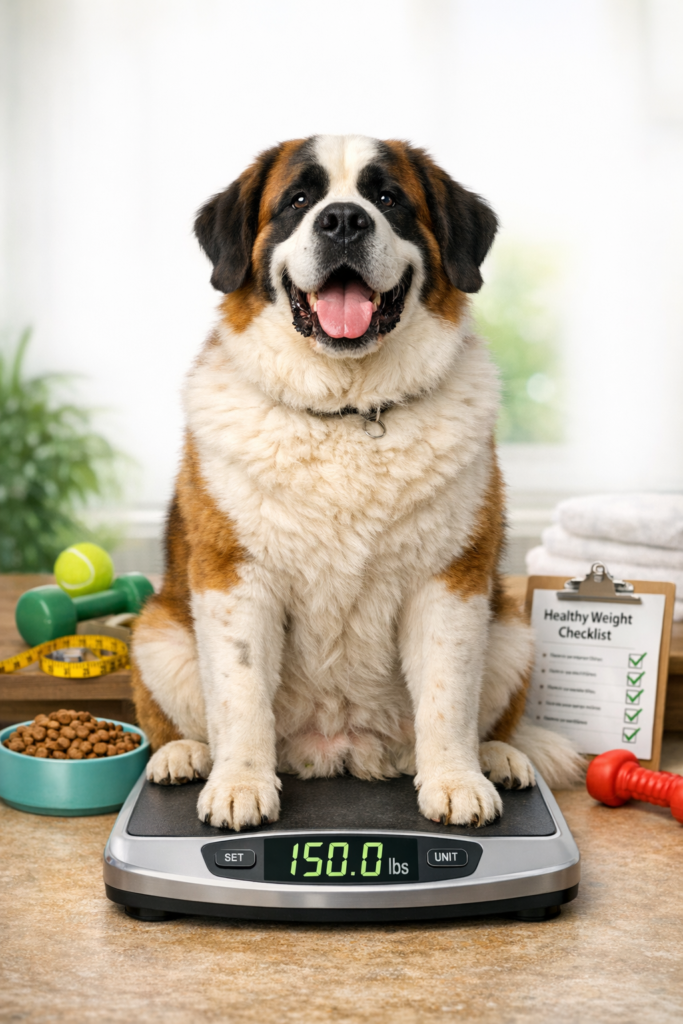
When people think about a dog’s weight, they often imagine appearance. A dog looks a little heavier or a little thinner. But in reality, weight is much more than a cosmetic issue for dogs.
A dog’s weight affects how its entire body works. Every extra pound increases the workload on joints, muscles, and internal organs. The heart must pump harder, the joints carry more structural load, and the metabolism has to process more energy. Over time, this added stress can shorten a dog’s healthy years.
One of the biggest problems with canine weight gain is that it usually happens slowly and quietly. Dogs rarely gain weight overnight. Instead, it often begins with small changes — slightly larger portions, a few extra treats during training, or less exercise during colder months. These small habits can gradually change a dog’s body condition without anyone noticing right away.
Because of this, weight management should not be thought of as dieting. It is really about maintaining balance in a dog’s daily life. That balance comes from matching the calories a dog eats with the energy it burns, while also considering the quality of the nutrients in the food, the dog’s age, and its activity level.
When these factors stay aligned, dogs maintain stronger muscles, healthier joints, and more stable metabolism throughout their lives.
This topic also connects closely with the broader nutrition system used to understand canine health, particularly the articles on Dog Nutrition and Nutrition-Rich Foods.
What Is Proper Weight Management?
Weight management is the process of keeping a dog’s body condition stable and healthy over time. It involves regulating how much a dog eats, what nutrients the food contains, how active the dog is, and how its metabolism responds to these factors.
Many people assume that managing weight simply means feeding less food. However, the reality is more complex than that. Feeding less without considering nutrient quality can sometimes create new problems, such as muscle loss or poor energy levels.
Proper weight management is therefore not about making sudden or extreme changes. It is also not about switching to “diet food” the moment a dog gains a little weight. Instead, it focuses on maintaining a healthy balance that prevents problems from developing in the first place.
Veterinarians often emphasize that the real goal is preserving lean muscle while keeping body fat within a healthy range. A dog that maintains muscle strength and proper body condition is generally healthier than one that simply weighs less on a scale.
Signs of Excess Weight
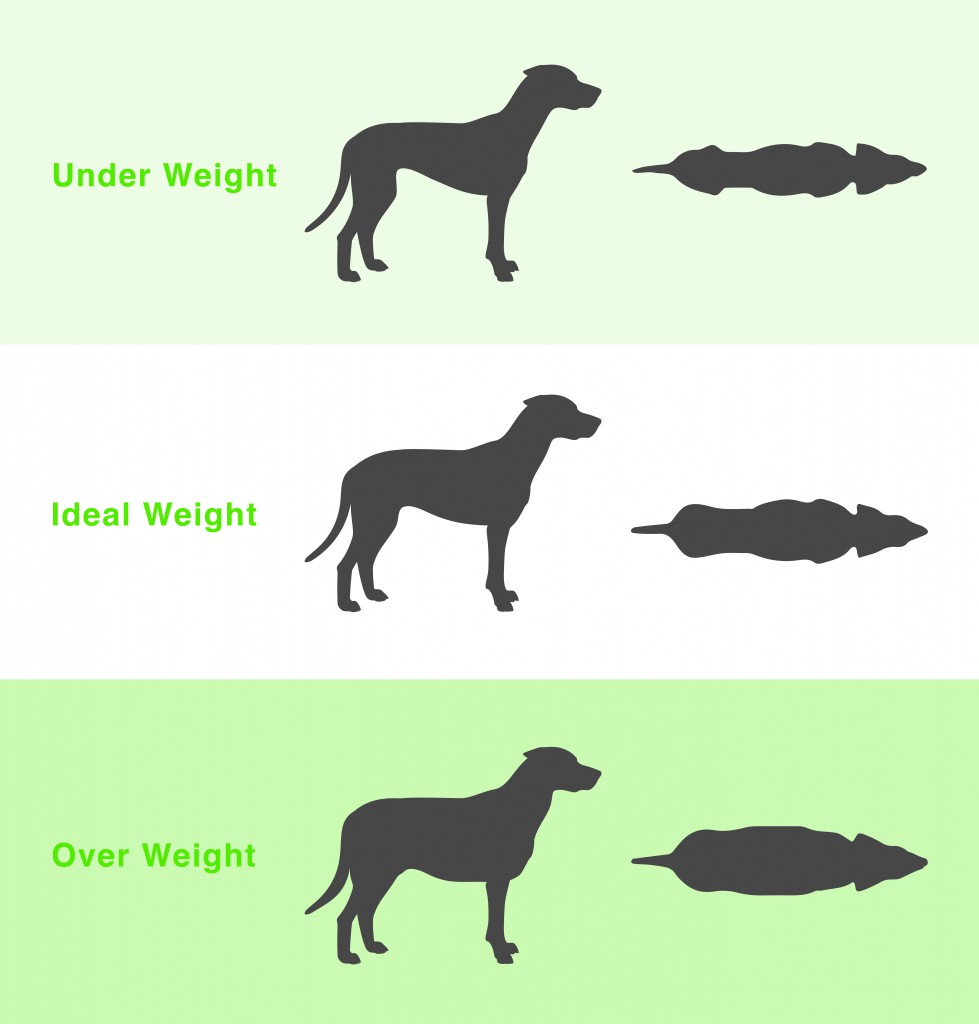
Dogs that are beginning to carry too much weight often show small physical changes that appear gradually over time. One of the easiest ways to notice this is by feeling the ribs. In a healthy dog, the ribs should be easy to feel beneath a thin layer of tissue. If they become difficult to feel, it may indicate that body fat is increasing.
Another common change is the loss of a visible waistline. When looking at a dog from above, the body should narrow slightly behind the rib cage. If this shape begins to disappear, it can suggest that excess fat is developing around the abdomen.
Dogs that are gaining weight may also tire more easily during walks or playtime. They may become more sensitive to heat, need longer recovery periods after activity, or show mild stiffness when standing up or moving after rest.
Signs of Being Underweight
Weight problems are not always about excess fat. Some dogs experience the opposite issue and become underweight. In these cases, ribs or the spine may appear unusually prominent. The dog may show lower energy levels, poor coat quality, or visible muscle loss.
Muscle loss is especially common in older dogs whose nutritional needs have changed.
Healthy weight management therefore involves keeping dogs within a balanced range, rather than focusing only on preventing obesity. Related resources include the Senior Feeding Profile and the different Activity Profiles that help match diet to lifestyle.
Preventing Gradual Weight Gain
Most cases of canine obesity develop slowly. A dog may gain only a small amount of weight each month, but over the course of a year this can become significant.
One of the most effective ways to prevent this is simply measuring food portions carefully. Many owners estimate portion sizes by eye, but this often leads to slightly larger servings than intended. Over time, those small differences add up.
Another important factor is understanding the calorie density of dog food. Some foods contain far more calories per cup than others. If owners change brands without adjusting portion size, they may unknowingly increase their dog’s daily calorie intake.
Activity level also plays a role. A dog that spends most of its time relaxing indoors requires fewer calories than a dog that runs, trains, or works regularly. Feeding should always match the dog’s lifestyle.
Treats deserve special attention as well. Occasional treats are not a problem, but they should remain a small part of the overall diet. Many veterinarians recommend keeping treats to no more than about ten percent of a dog’s daily calorie intake.
These simple habits help prevent what nutrition experts sometimes call “weight drift,” where body weight slowly increases without anyone realizing it.
Helpful related guides include articles on reading dog food labels, choosing nutrition-rich foods, and adjusting diets for puppies, adults, and senior dogs.
Products to Help
Some tools and products can make weight management easier for dog owners.
Certain dog foods are designed specifically to support healthy body condition. These diets often contain slightly fewer calories while maintaining enough protein to preserve muscle. Some also include additional fiber, which can help dogs feel full after eating.
Accurate measurement tools are also extremely helpful. A digital kitchen scale or a properly sized measuring cup can make portion control much more consistent. Body condition scoring charts are another useful resource because they allow owners to visually compare their dog’s shape with healthy reference examples.
Some dogs also benefit from enrichment toys or slow feeders. These tools can slow down eating or encourage more physical activity, which helps balance calorie intake with energy use.
It is important to remember, however, that these products support weight management but do not replace proper feeding habits.
When to Call the Vet
While many weight changes are related to feeding habits or activity levels, sudden or unexplained changes can sometimes signal a medical issue.
Dog owners should contact a veterinarian if they notice rapid weight gain or loss, unusual increases in appetite, or excessive thirst combined with weight changes. Other warning signs include sudden muscle loss, difficulty exercising, or swelling around the abdomen.
These symptoms may indicate underlying health conditions such as hormonal disorders, metabolic disease, or organ dysfunction. Because of this, owners should never attempt aggressive dieting without veterinary guidance.
Veterinary Treatment
If a dog becomes significantly overweight or underweight, a veterinarian may recommend a structured treatment plan. This often begins with blood tests to evaluate metabolic health, including thyroid function and glucose levels.
Veterinarians may also calculate a precise daily calorie target based on the dog’s size, age, and activity level. In some cases, prescription weight-management diets are recommended because they are formulated to reduce calories while maintaining essential nutrients.
When hormonal disorders are involved, treatment may include medication or hormone therapy. These medical approaches help correct the underlying issue rather than simply addressing the visible weight change.
Home Remedies (Safe and Structured)
When a veterinarian determines that weight reduction is safe, several gradual adjustments can be made at home. One of the most effective methods is calculating daily calorie intake more accurately and then reducing it slightly, usually by about ten to fifteen percent.
Increasing regular exercise also helps, particularly structured walks or controlled play sessions that build stamina gradually. Many owners also replace calorie-dense treats with healthier alternatives or simply reduce the number of treats given throughout the day.
Dividing daily food into smaller meals can also help some dogs feel satisfied while consuming fewer calories overall.
What owners should avoid is rapid or extreme dieting. Sudden calorie restriction can lead to muscle loss and metabolic stress, which may create new health problems.

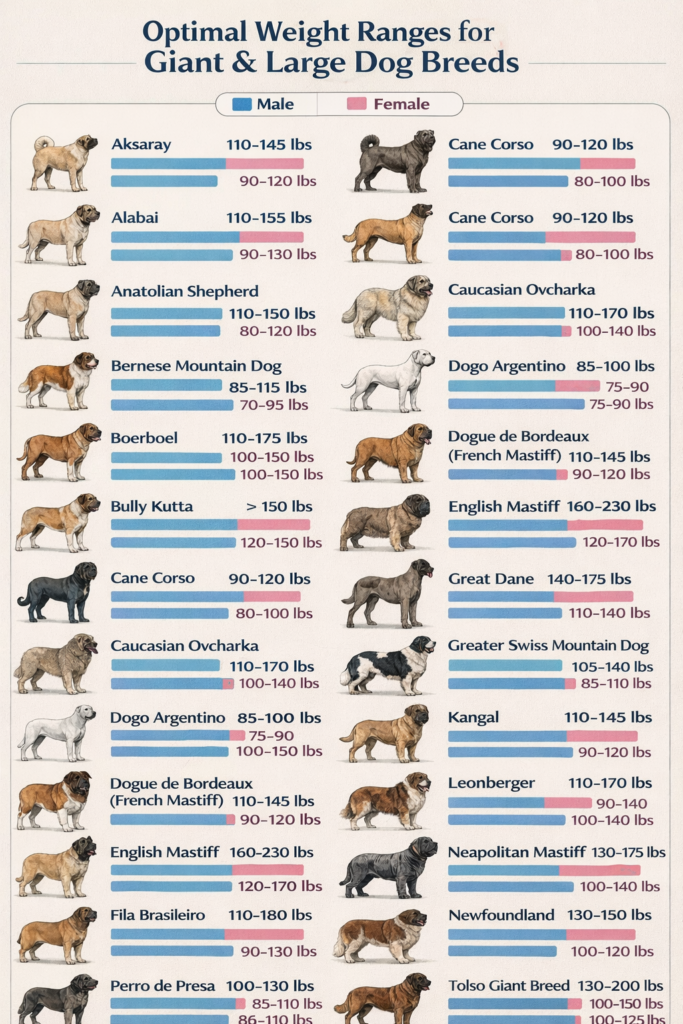
Calculating Calories for Giant Breed Dogs
Managing the weight of a giant breed dog isn’t like tracking a smaller companion — the stakes are higher, and mistakes can have serious consequences for joints, heart, and metabolism. There are apps available that claim to calculate daily calorie needs, and you can certainly try them. Some will give a rough estimate based on weight, age, and activity level. However, most are designed for small or medium dogs, and they often underestimate the enormous energy needs of breeds that can weigh 100 kg or more. Using these apps without adjustment could result in underfeeding or overfeeding — both dangerous in giants.
For owners who want precision, the safest method is to calculate calories manually using a tried-and-true formula. Start with the dog’s Resting Energy Requirement (RER):
[ \text{RER (kcal/day)} = 70 \times (\text{Body Weight in kg})^{0.75} ]
This calculates the energy a dog needs at complete rest to maintain vital functions. Once you have the RER, adjust for activity level and weight goals using a multiplier:
| Activity / Goal | Multiplier |
| Neutered adult, sedentary | 1.2–1.4 |
| Active adult | 1.6–2.0 |
| Weight loss (obese) | 1.0–1.2 |
| Weight gain / underweight | 2.0–2.5 |
[ \text{Daily Calories} = \text{RER} \times \text{Multiplier} ]
For example, a moderately active female Great Dane weighing 60 kg has an RER of approximately 1568 kcal/day. Multiply by 1.6 for activity, and her estimated daily intake is about 2,509 kcal/day. If she needs to lose weight, a lower multiplier of 1.2 would reduce daily calories to roughly 1,880 kcal/day. These calculations are not guesses; giants require precision because even a small over- or underestimation can have a profound effect on metabolism, muscle mass, and joint health.
Monitoring and adjusting is critical. Check body condition scores weekly, log weight and food intake, and make incremental changes — usually ±5–10% per week. Rapid changes in calorie intake are dangerous and can cause serious muscle loss or metabolic disruption.
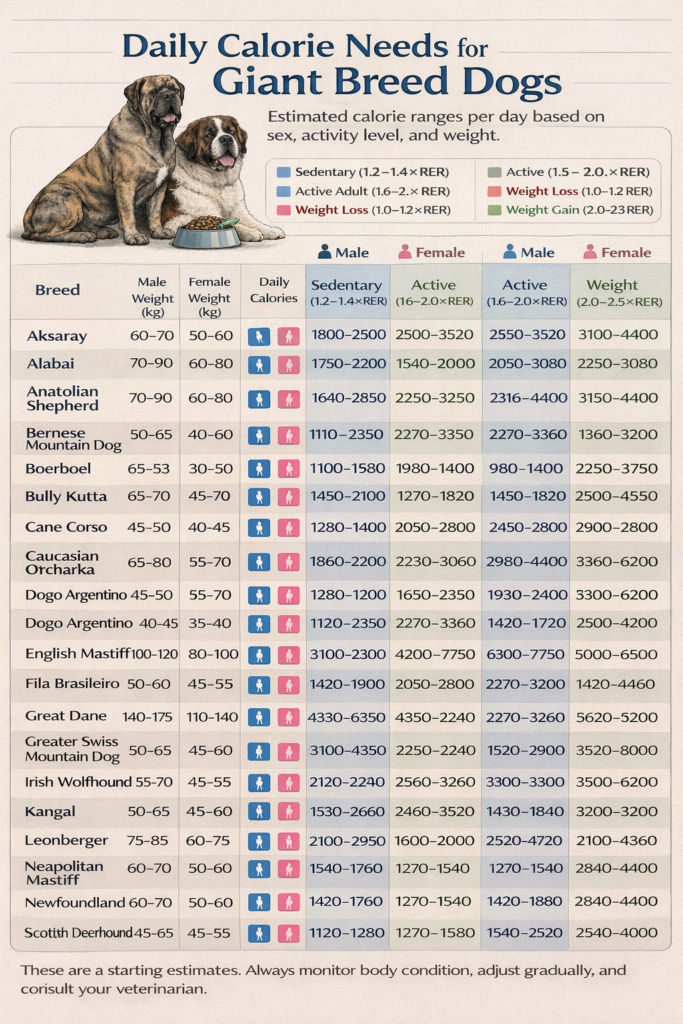
To help owners, we’re preparing a comprehensive chart showing estimated calorie ranges for all the giant breeds in our guide. Each breed is broken down by male/female ranges and activity level, so owners have a clear starting point. And for those who prefer digital tools, we are currently developing an app specifically for giant breeds that will calculate daily calories safely and adjust for growth, age, and activity — something no other app currently does.
Here’s the full table:
| Breed | Male Weight (kg) | Female Weight (kg) | RER Male (kcal/day) | RER Female (kcal/day) | Sedentary (1.2–1.4×RER) | Active (1.6–2.0×RER) | Weight Loss (1.0–1.2×RER) | Weight Gain (2.0–2.5×RER) |
| Aksaray | 60–70 | 50–60 | 1540–1760 | 1270–1540 | 1848–2464 | 2464–3520 | 1540–1880 | 3080–4400 |
| Alabai | 70–90 | 60–80 | 1760–2200 | 1540–2000 | 2112–3080 | 2816–4400 | 1760–2400 | 3520–5500 |
| Anatolian Shepherd | 50–65 | 40–60 | 1420–1680 | 1180–1540 | 1700–2350 | 2270–3360 | 1180–1840 | 2360–4200 |
| Bernese Mountain Dog | 35–55 | 30–50 | 1100–1580 | 980–1400 | 1200–2210 | 1760–3160 | 980–1400 | 1960–3950 |
| Boerboel | 60–90 | 50–80 | 1540–2200 | 1270–2000 | 1850–3080 | 2460–4400 | 1540–2400 | 3080–5000 |
| Bully Kutta | 55–80 | 45–70 | 1450–2100 | 1270–1820 | 1740–2940 | 2320–4200 | 1450–1820 | 2900–4550 |
| Cane Corso | 45–50 | 40–45 | 1280–1400 | 1180–1280 | 1540–1760 | 2048–2800 | 1280–1540 | 2560–3500 |
| Caucasian Ovcharka | 65–80 | 55–70 | 1860–2200 | 1600–1880 | 2230–3080 | 2980–4400 | 1860–1880 | 3720–5500 |
| Dogo Argentino | 40–45 | 35–40 | 1120–1220 | 1020–1100 | 1340–1710 | 1790–2440 | 1120–1220 | 2240–3050 |
| Dogue de Bordeaux | 50–60 | 45–55 | 1420–1600 | 1270–1460 | 1700–2240 | 2270–3200 | 1420–1460 | 2840–4000 |
| English Mastiff | 100–120 | 80–100 | 2600–3100 | 2000–2600 | 3120–4340 | 4160–6200 | 2600–3120 | 5200–7750 |
| Fila Brasileiro | 50–60 | 45–55 | 1420–1600 | 1270–1460 | 1700–2240 | 2270–3200 | 1420–1460 | 2840–4000 |
| Great Dane | 140–175 | 110–140 | 3620–4700 | 2800–3700 | 4350–6580 | 5790–9400 | 3620–4440 | 7240–11,750 |
| Greater Swiss Mountain Dog | 50–65 | 45–60 | 1420–1680 | 1270–1540 | 1700–2350 | 2270–3360 | 1270–1540 | 2540–3850 |
| Irish Wolfhound | 55–70 | 45–60 | 1600–1900 | 1270–1540 | 1920–2660 | 2560–3800 | 1600–1840 | 3200–4750 |
| Kangal | 50–65 | 45–60 | 1420–1680 | 1270–1540 | 1700–2350 | 2270–3360 | 1270–1540 | 2540–3850 |
| Leonberger | 75–85 | 60–75 | 2100–2360 | 1600–2000 | 2520–3300 | 3360–4720 | 2100–2360 | 4200–5900 |
| Neapolitan Mastiff | 60–70 | 50–60 | 1540–1760 | 1270–1540 | 1850–2460 | 2460–3520 | 1540–1880 | 3080–4400 |
| Newfoundland | 60–70 | 50–60 | 1540–1760 | 1270–1540 | 1850–2460 | 2460–3520 | 1540–1880 | 3080–4400 |
| Perro de Presa Canario | 50–60 | 45–55 | 1420–1600 | 1270–1460 | 1700–2240 | 2270–3200 | 1420–1460 | 2840–4000 |
| Pyrenean Mountain Dog | 55–65 | 45–55 | 1600–1800 | 1270–1460 | 1920–2520 | 2560–3600 | 1600–1460 | 3200–3650 |
| Saint Bernard | 70–90 | 60–80 | 1760–2200 | 1540–2000 | 2110–3080 | 2816–4400 | 1760–2400 | 3520–5500 |
| Scottish Deerhound | 40–50 | 35–45 | 1120–1280 | 1020–1180 | 1340–1790 | 1790–2560 | 1120–1220 | 2240–3050 |
| Tibetan Mastiff | 60–75 | 50–65 | 1540–1900 | 1270–1680 | 1850–2660 | 2460–3800 | 1540–1900 | 3080–4750 |
| Toso Giant Breed | 50–70 | 45–60 | 1420–1760 | 1270–1540 | 1700–2460 | 2270–3520 | 1420–1880 | 2840–4400 |
| Volkdav | 50–70 | 45–60 | 1420–1760 | 1270–1540 | 1700–2460 | 2270–3520 | 1420–1880 | 2840–4400 |
| Spanish Mastiff | 50–70 | 45–60 | 1420–1760 | 1270–1540 | 1700–2460 | 2270–3520 | 1420–1880 | 2840–4400 |
✅ Notes:
- RER = Resting Energy Requirement (kcal/day) = 70 × (Weight kg)^0.75
- Daily Calories = RER × Multiplier
- Multiplier depends on activity or goal: sedentary 1.2–1.4, active 1.6–2.0, weight loss 1.0–1.2, weight gain 2.0–2.5
- Male/female ranges reflect typical adult sizes for giants.
- All values are starting points; owners should monitor body condition score and adjust weekly.
Risk Factors
Several factors can make weight problems more likely in dogs. Feeding practices play a major role, especially when foods are high in calories or when dogs have constant access to food throughout the day.
Lifestyle also matters. Dogs living in sedentary households or spending long periods indoors may burn far fewer calories than active dogs. Aging can further slow metabolism, meaning older dogs often require fewer calories than they did when they were younger.
Medical conditions can also influence body weight. Disorders such as Hypothyroidism and Cushing’s disease can alter how the body regulates metabolism and fat storage. Hormonal changes following spaying or neutering may also shift calorie requirements.
Understanding these risk factors helps owners recognize why weight management sometimes requires adjustments over time.
Understanding Standard Feeding Portions
Dog food packaging often lists feeding amounts in cups or grams, but many owners measure meals using scoops. For consistency across the Giant Breed Nutrition System, we define a standard feeding portion using common scoop sizes.
A typical scoop of dry dog food holds approximately 5 ounces (about 140 grams). Most dry dog foods contain roughly 350–450 calories per cup, which means a 5-ounce scoop usually provides about 230–260 calories depending on the formula.
Wet food portions are slightly larger because canned food contains more moisture. A typical serving of wet dog food ranges between 6 and 8 ounces per portion, which usually provides 150–300 calories depending on the recipe.
Because dog foods vary widely in calorie density, these scoop sizes should be treated as general reference points rather than exact measurements. When managing a dog’s weight or adjusting nutrition for health reasons, owners should always check the calorie content listed on the food label and adjust portions accordingly.
For giant breed dogs, portion accuracy matters. These dogs can require several thousand calories per day, and even small miscalculations can lead to gradual weight gain or loss over time.
Standard Portion Reference
Dry Dog Food
• 1 scoop ≈ 5 oz
• ≈ 230–260 calories
Wet Dog Food
• 1 portion ≈ 6–8 oz
• ≈ 150–300 calories
Genetic and Breed Considerations
Some dog breeds appear more prone to weight gain than others. For example, breeds such as the English Mastiff, Saint Bernard, Great Dane, and Newfoundland are known for large appetites and can gain weight easily if feeding portions and activity levels are not carefully managed.
Small breeds face a unique challenge because their calorie requirements are very low. Even small feeding mistakes can provide more energy than they need.
Large breeds experience a different type of risk. When these dogs gain excess weight, the additional load placed on their joints can significantly increase the likelihood of orthopedic problems.
Although genetics may influence appetite or metabolism, daily feeding routines and activity levels still play the largest role in determining a dog’s weight.
Psychological Factors
Interestingly, many weight problems in dogs are connected more to human behavior than canine hunger.
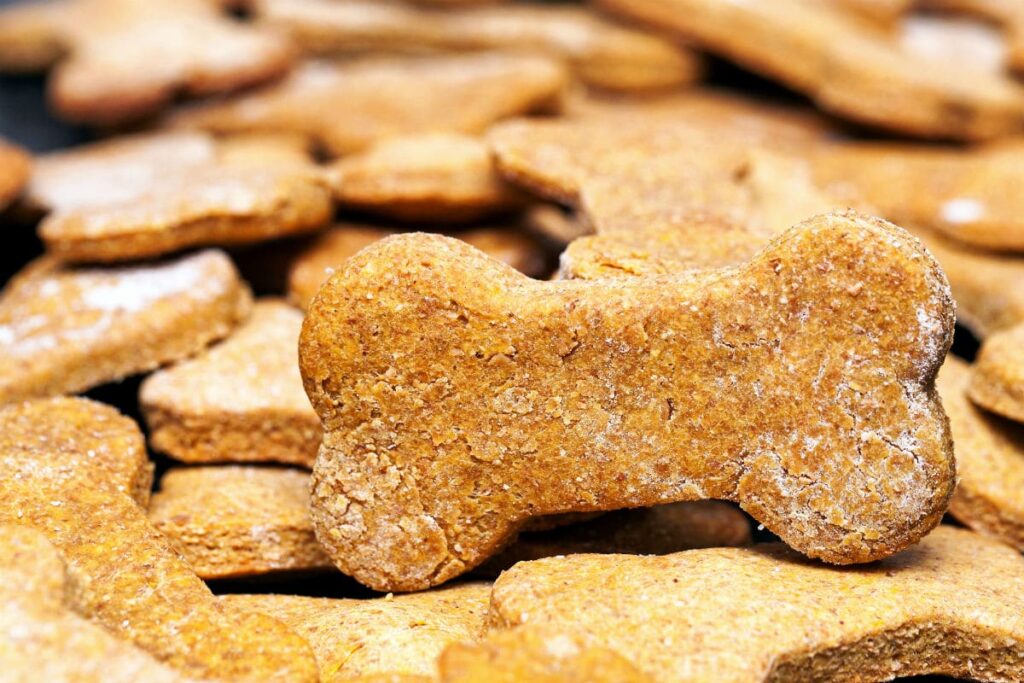
Owners often use treats as a way to show affection or reward good behavior. While this is understandable, it can gradually lead to excessive calorie intake if treats become too frequent.
Some dogs also eat out of boredom, particularly if they spend long periods without stimulation or activity. In other cases, owners may offer food when a dog appears anxious or restless, unintentionally reinforcing feeding as a comfort behavior.
It is helpful to remember that dogs do not measure love in the number of treats they receive. In fact, predictable feeding schedules and structured routines often make dogs feel calmer and more secure.
Surgical Options
Surgery is rarely used to treat weight problems in dogs. In very severe cases, veterinarians may consider specialized procedures similar to bariatric surgery, although this is uncommon in veterinary medicine.
More often, surgery becomes necessary when obesity has already caused other medical issues. For example, orthopedic surgery may be required to repair joints that have been damaged by years of excessive weight.
These procedures treat the consequences of obesity rather than the original cause. For this reason, prevention and early weight management are always the better approach.
Monitoring
Long-term weight control depends on consistent monitoring. Dog owners should check their dog’s body condition regularly and pay attention to small changes over time.
Weighing the dog once a month can help track gradual changes before they become serious. Observing waist shape, rib visibility, energy levels, and stool quality can also provide useful clues about overall health.
Weight management is not something that happens only occasionally. It is an ongoing part of responsible care throughout a dog’s life.
This monitoring approach also connects to broader health tracking tools such as the D.A.W.G. stool monitoring system and the Digestive Aids article.
Emergency Contacts
Finally, it is always wise for dog owners to keep important veterinary contacts readily available. This includes the dog’s regular veterinarian, a nearby 24-hour emergency clinic, and organizations such as the ASPCA Animal Poison Control Center.
Keeping a simple record of a dog’s diet, feeding schedule, and recent weight changes can also be helpful during emergencies. If sudden weight loss, rapid weight gain, or suspected toxic food ingestion occurs, having this information ready allows veterinarians to respond more quickly.
For additional safety guidance, owners should also review the Toxic Foods article.
