Digestive Aids & Probiotics for Dogs – A Practical Guide for Owners
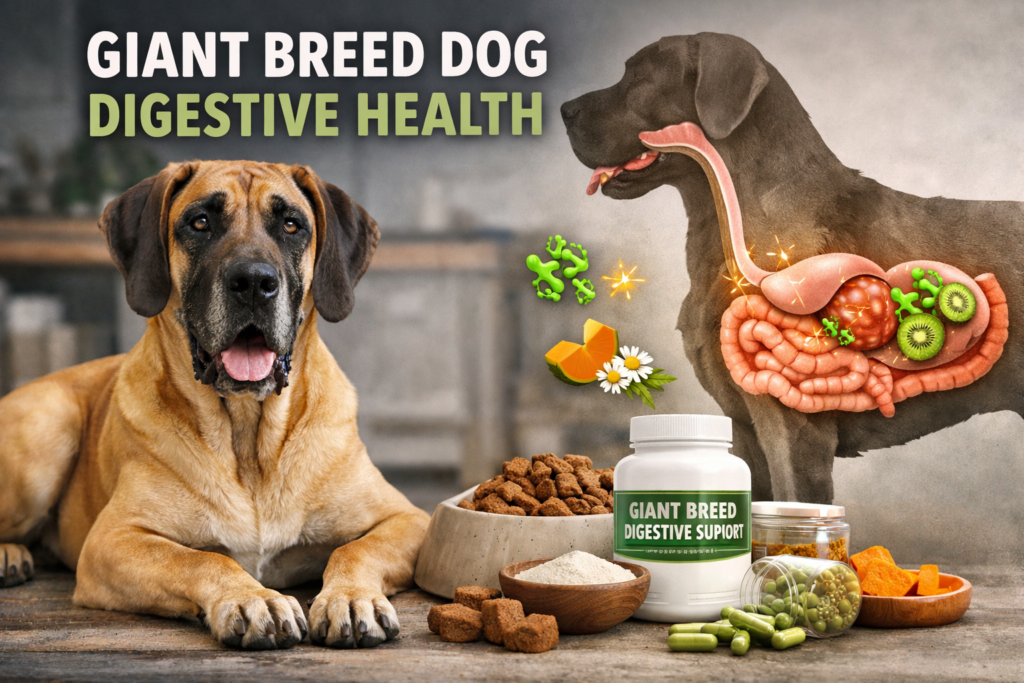
Digestive health is not just about what you feed your dog.
It’s about what their body can actually do with that food.
A dog might be eating a well-balanced diet, but if their digestion is unstable, nutrients aren’t absorbed properly, energy levels fluctuate, and small issues can quietly build into bigger problems over time.
That’s where digestive aids and probiotics come in.
They can support gut balance and help stabilize digestion — but they’re not magic fixes. They’re tools. And like any tool, they only work properly when used in the right situation.
What Are Digestive Aids?
Digestive aids are products designed to support how the digestive system functions.
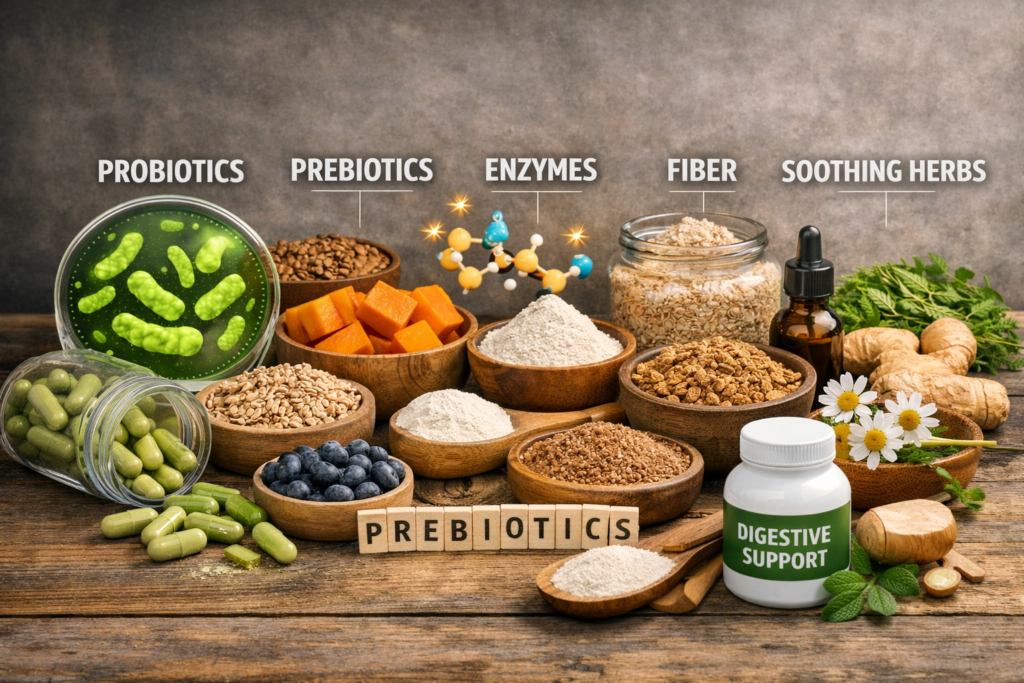
This can include probiotics, which are beneficial bacteria that help maintain a healthy gut environment. There are also prebiotics, which act as food for those beneficial bacteria, helping them grow and function properly.
Some products focus on digestive enzymes, which help break down food so nutrients can be absorbed more efficiently. Others provide fiber to support stool consistency or combine several ingredients into general gut-support formulas.
You might also come across blends that include soothing plant-based ingredients designed to calm mild digestive irritation.
The important thing to understand is this:
Digestive aids support normal function. They don’t replace proper nutrition, and they don’t solve underlying medical problems.
Good digestion starts with feeding your dog correctly in the first place — matching food to their age, activity level, and individual needs.
Signs Your Dog’s Digestion May Be Off
Dogs can’t explain how they feel, so digestion problems usually show up through small, everyday signals.
Sometimes it’s obvious, like diarrhea or vomiting. Other times, it’s more subtle.
You might notice stools that are consistently soft, even if they’re not full diarrhea. Gas can become more frequent, or your dog’s appetite might fluctuate for no clear reason. Some dogs start to lose or gain weight unexpectedly, while others develop a dull coat.
Even something as simple as irregular bathroom patterns can be a sign that digestion isn’t as stable as it should be.
This is where your observation matters.
Dog Gut Health Symptoms (The Cause, Best Probiotics and Diet)
Stool quality is one of the most important indicators of digestive health. It tells you far more than most people realize — often before bigger issues appear.
Coming Soon
Prevention Starts with Feeding, Not Supplements
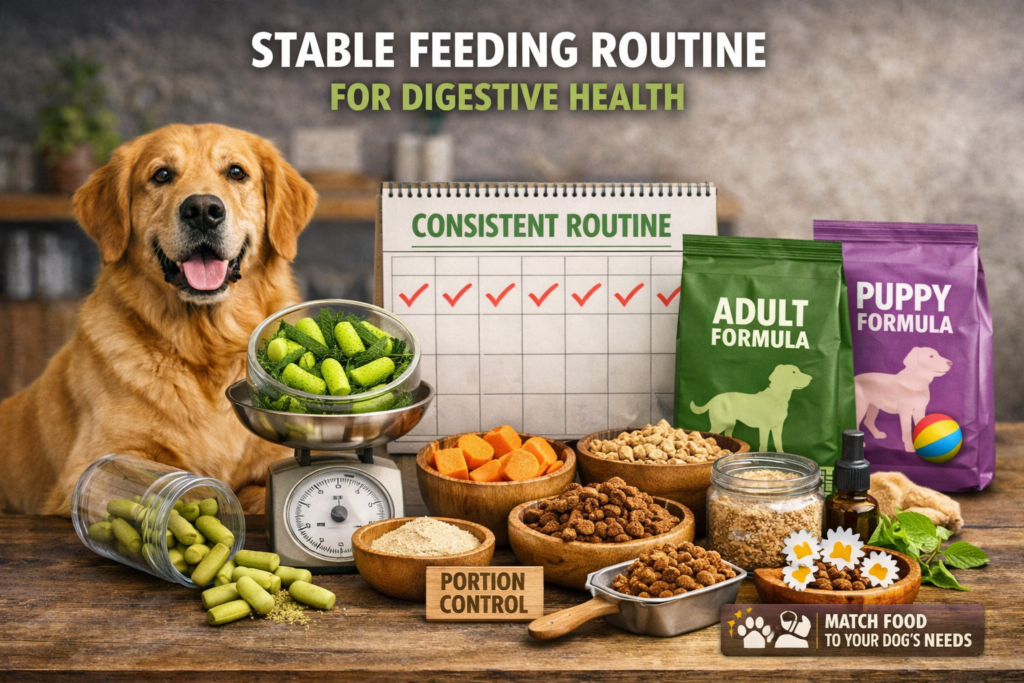
Before looking at supplements, it’s worth stepping back.
Most digestive issues don’t start because a dog “needs probiotics.” They start because something in the feeding routine isn’t quite right.
Changing food too quickly is a common cause. Switching brands every few weeks can also create instability. Overfeeding, inconsistent mealtimes, or feeding a diet that doesn’t match the dog’s life stage or activity level can all put stress on digestion.
A stable routine makes a bigger difference than most supplements ever will.
When feeding is consistent, portions are appropriate, and the food matches the dog’s needs, digestion usually becomes more predictable as well.
In other words, the best digestive support is often simply feeding correctly.
Products That Can Support Digestion
When the basics are in place, digestive aids can play a useful role.
Probiotics are one of the most commonly used options. They help support the balance of bacteria in the gut, which can be useful after antibiotics, during mild digestive upset, or when a dog is under stress, such as during travel.
Prebiotics work alongside this by feeding the beneficial bacteria already present in the gut, helping them stay active and effective.
Digestive enzymes can be helpful for dogs that struggle to break down food properly. They support nutrient absorption and can sometimes reduce issues like bloating or inconsistent stool.
Fibre supplements are often used to stabilise stool, especially when it tends to swing between too soft and too firm.
There are also general gastrointestinal support formulas that combine several of these elements, sometimes with added ingredients to soothe mild irritation.
But it’s important to keep perspective.
These products should support a good diet — not compensate for a poor one.

When to Call the Vet
There’s a clear line between mild digestive imbalance and something more serious.
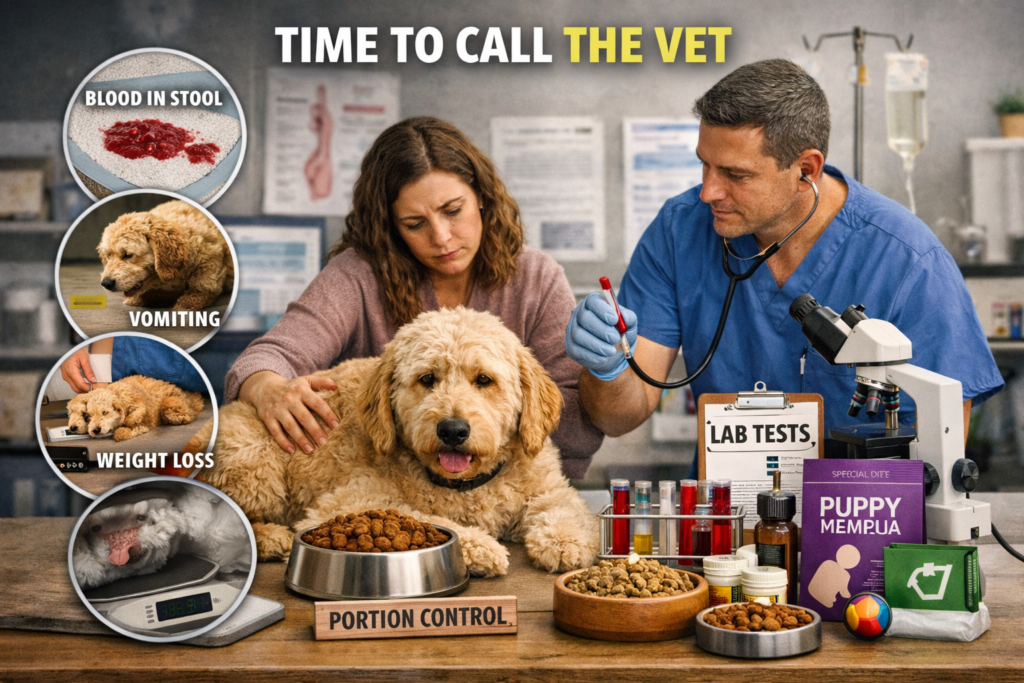
If diarrhea lasts more than a couple of days, or if you notice blood in the stool, ongoing vomiting, or rapid weight changes, it’s time to involve a veterinarian.
Lethargy, visible discomfort, or repeated digestive problems are also warning signs.
Puppies, in particular, should never be left with digestive issues for long. Their systems are still developing, and problems can escalate quickly.
Supplements are not a substitute for medical care. If something seems off beyond a short, mild episode, it needs proper attention.
What Veterinary Treatment May Involve
If a digestive issue becomes persistent, a vet will usually look deeper.
This might involve testing stool samples, run blood work, or recommending a specific diet designed for gastrointestinal support. In some cases, medication or treatment for parasites may be needed.
The goal isn’t just to stop the symptoms — it’s to understand the cause.
Chronic digestive problems are rarely random. They require proper diagnosis, not guesswork or trial-and-error feeding.
Home Support for Mild Cases
For short-term, mild digestive upset, simple approaches can sometimes help.
A temporary bland diet, recommended by a vet, can give the digestive system time to settle. Plain pumpkin is sometimes used to support stool consistency, and keeping hydration levels stable is always important.
Short-term use of probiotics can also support recovery in these situations.
But these are temporary measures.
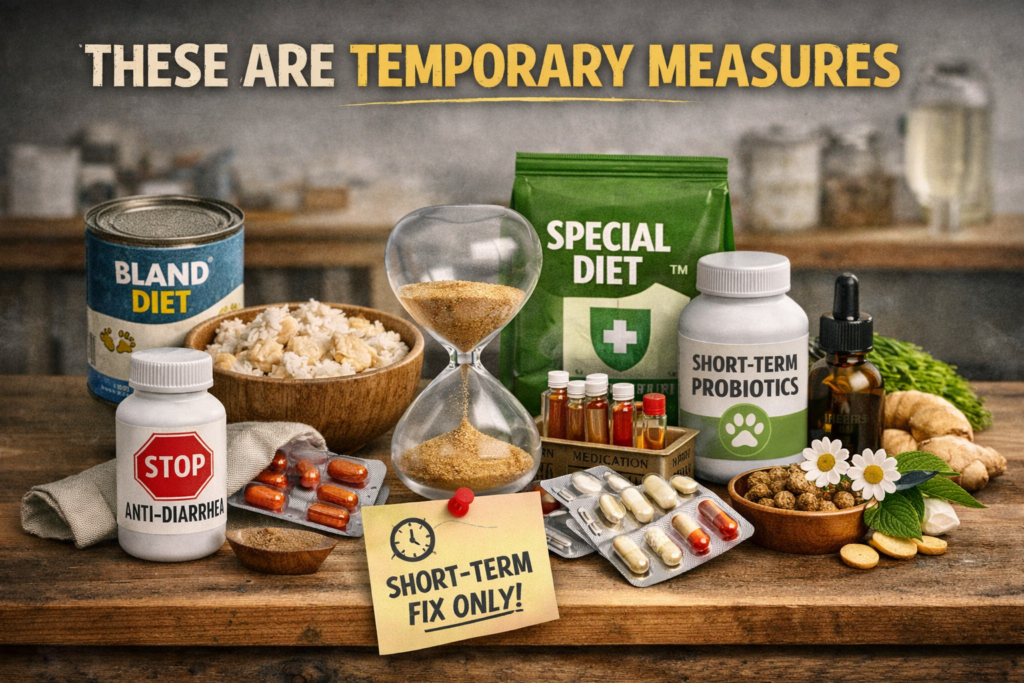
If symptoms continue, they need to be taken seriously.
Dogs More at Risk of Digestive Issues
Some dogs are simply more prone to digestive instability than others.
Frequent diet changes are one of the biggest triggers. Free feeding can also contribute, as it removes structure from digestion.
High-fat treats, stress, travel, and antibiotic use can all disrupt gut balance.
Large and giant breed dogs going through rapid growth can also be more sensitive, especially if their diet isn’t carefully managed.
Working dogs, due to physical and mental stress, may experience digestive fluctuations as well.
In most cases, these risks can be reduced with structured feeding and careful observation.
Breed and Individual Differences
Not all dogs’ process food in the same way.
Some breeds are more prone to sensitive digestion, food intolerances, or conditions like inflammatory bowel disease. Others may have a higher risk of issues like bloating or poor nutrient absorption.
This is why a one-size-fits-all approach to feeding rarely works well long term.
Understanding your dog as an individual — including their breed tendencies — helps you make better decisions about both nutrition and digestive support.
Coming Soon
The Role of Stress in Digestion
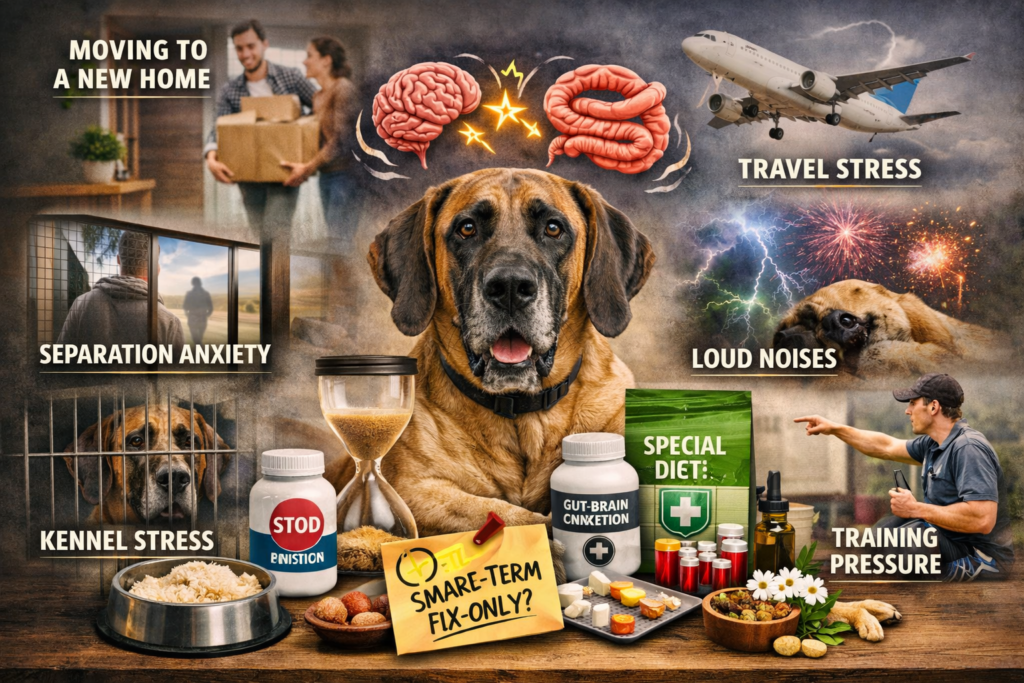
Digestion isn’t just physical. It’s also linked to a dog’s mental state.
Stress can affect the gut in very real ways.
Changes in environment, separation anxiety, training pressure, or even travel can trigger digestive upset. Some dogs respond with loose stool, others with reduced appetite.
This is often referred to as the gut-brain connection, and it’s something many owners overlook.
If a dog’s environment is unstable, their digestion often is too.
When Surgery Becomes Necessary
In more serious cases, digestive issues may be caused by physical problems such as blockages or severe gastrointestinal disease.
This can require surgical intervention, especially if a foreign object has been swallowed or there is an obstruction.
These situations are emergencies.
They are not something that can be managed with supplements or home care, and they require immediate veterinary attention.
Gastric Dilatation-Volvulus (GDV) & Gastropexy
Monitoring Digestive Health
One of the most effective things you can do as an owner is simply pay attention.
Digestive health shows up in daily patterns — stool consistency, appetite, energy levels, and even coat condition.
When these remain stable, it’s a good sign that nutrition and digestion are working together properly.
When they start to shift, it’s often an early signal that something needs adjusting.
Coming Soon
Digestive aids are most effective when they’re used alongside this kind of awareness.
Being Prepared Matters
It’s always worth having basic information ready in case something goes wrong.
Knowing how to contact your regular vet, where the nearest emergency clinic is, and what to do in urgent situations can make a real difference.
Digestive issues can escalate quickly in some cases, and being prepared helps you act without hesitation.
Final Thoughts – Support, Don’t Replace
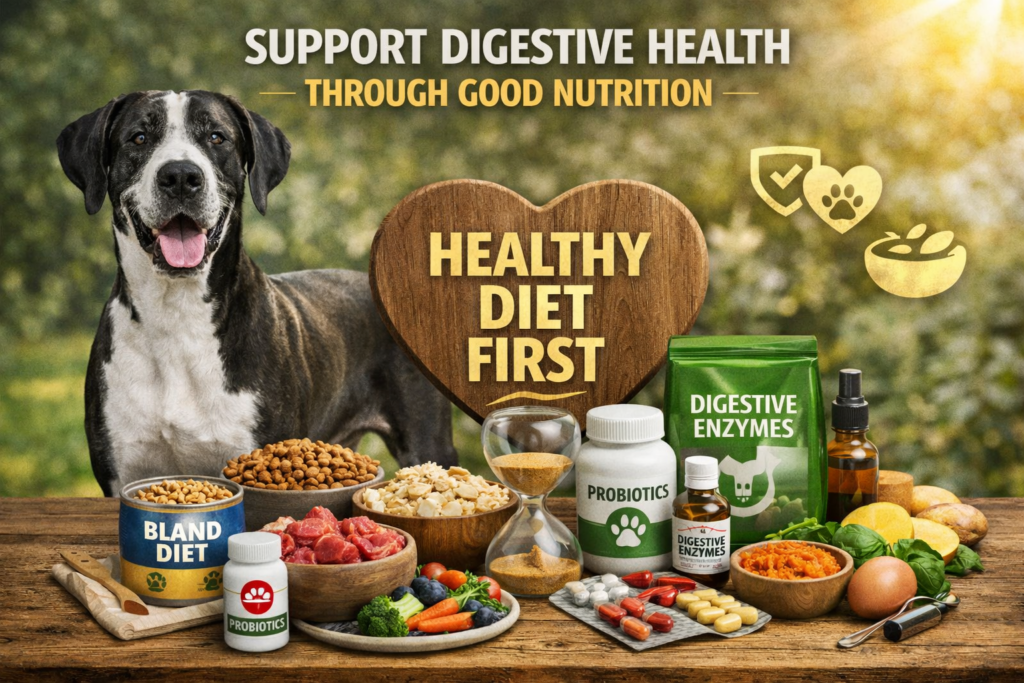
Digestive aids and probiotics have their place.
They can support gut health, help during mild disruptions, and play a role in maintaining stability. But they are not a replacement for proper feeding, and they are not a solution for serious medical issues.
Healthy digestion starts with intelligent nutrition.
Feed appropriately for your dog’s age and activity level. Keep routines stable. Pay attention to small changes.
Support digestion when needed — but more importantly, protect it through good decisions every day.
