Why This Skill Track Exists
Some dogs are born to move. Others live to protect, to guide, or to solve problems—and they feel restless without a role. The Skill Tracks were built to honor that instinct. Each one offers a focused path of continuing education after the First Five and Social Code work are in place.
Obstacle work exists because some dogs need more than manners—they need a mission. This isn’t about competitive trophies or social media stunts. It’s about nurturing your dog’s true nature, giving their instincts a safe outlet, and strengthening the working bond between human and giant.
When this Skill Track is done right, it develops a dog’s natural potential while refining the human’s leadership, timing, and emotional connection. It helps the owner understand what “listening” actually looks like—and shows the dog what “being understood” feels like.
What This Training Develops
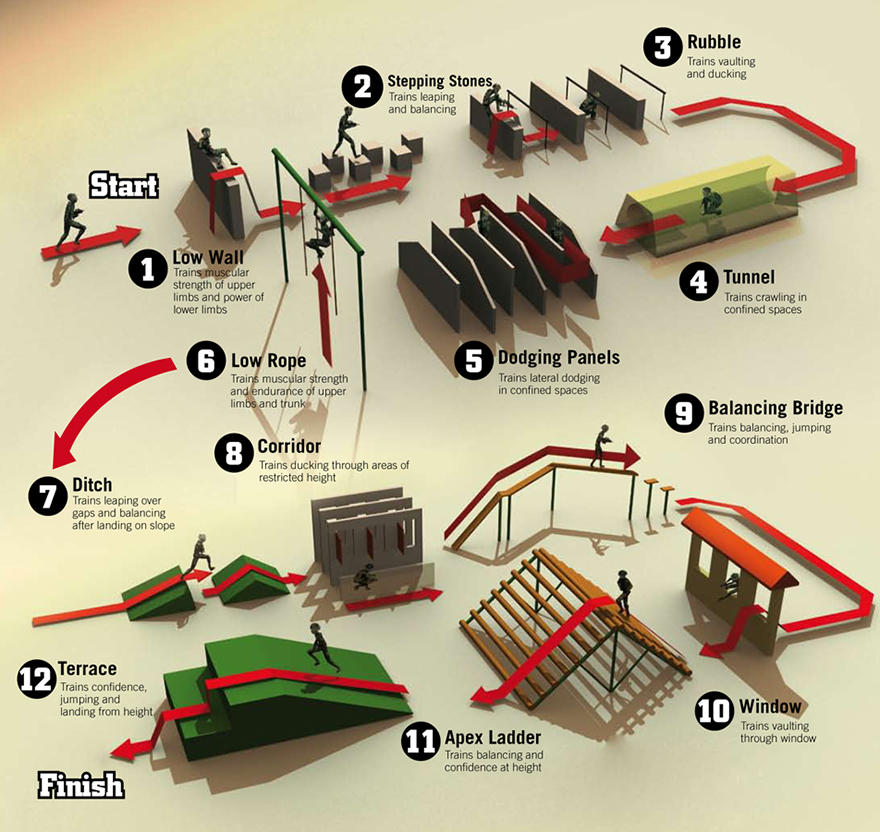
Obstacle work isn’t just about climbing ramps or weaving poles — it’s a structured language of movement that teaches a dog how to think, how to trust, and how to work in partnership with their human. When practiced with intention, it develops four key domains:
Physical Development
Giant breeds need strength, stability, and controlled power. Obstacle work builds:
- Core strength and joint support, which helps prevent injury in large-bodied dogs.
- Coordination and balance, essential for navigating tight indoor spaces, uneven terrain, or unfamiliar environments.
- Body awareness (proprioception) — the dog becomes aware of where their feet, hips, and shoulders are at all times.
- Sustained stamina, especially important for working-line or high-drive giants who need healthy ways to exert energy.
This Track teaches a dog to move with efficiency rather than brute force — a major benefit for young giants learning to manage their rapidly changing bodies.
Mental Development
Obstacle work is a thinking game. It trains:
- Pattern recognition: Courses follow sequences, and dogs learn to anticipate and adapt.
- Cue interpretation: Dogs learn to listen for subtle signals — a hand gesture, a breath shift, a change of posture.
- Decision-making on the move: Obstacles challenge a dog to choose correct actions at speed without losing clarity.
- Working memory: The dog retains multi-step instructions while staying attuned to real-time adjustments.
For high-intelligence or easily overstimulated breeds, this creates the perfect blend of challenge + structure.
Emotional Development
The inner landscape of the dog changes, too:
- Confidence: Each successful obstacle becomes a reference point — “I can do that.”
- Resilience: Mistakes become part of the process rather than emotional setbacks.
- Trust: The dog learns that following the human’s guidance leads to success and safety.
- Impulse control: Even excited dogs learn to pause, wait for the cue, and then engage.
This is one of the few Skill Tracks that can transform a timid, doubtful dog into a grounded, capable partner — without pushing them into situations beyond their coping ability.
Social Code Compatibility
Obstacle work isn’t just physical — it’s communication. How smoothly this Skill Track goes depends heavily on which Social Code Setting your dog is currently operating in, because each Setting changes how they process direction, novelty, and physical challenges.
The Social Code doesn’t describe personality — it describes the dog’s current internal state, and that determines how you teach, pace, and support them.
Setting 1 — Passive Coexistence
(Calm, neutral, nothing demanding attention)
Dogs in Setting 1 are relaxed and content, but not highly focused. Obstacle work in this Setting should be:
- Low-pressure
- Introductory and exploratory
- About letting the dog feel out the equipment with no expectations
This is the perfect state for warming up, sniffing the course, walking over a low plank, or letting the dog test surfaces at their own pace.
Goal: Build confidence without asking for precision.
Setting 2 — Assess & Observe
(Dog becomes aware of something new and is evaluating it)
This Setting is ideal for early obstacle learning because the dog is curious but still thoughtful.
When in Setting 2, dogs:
- Process patterns well
- Think before moving
- Are open to guidance without stress
- Can practice simple sequences or new obstacles
This is the best Setting for introducing weave poles, low tunnels, and slow pattern work.
Goal: Use curiosity to build engagement and cooperation.
Setting 3 — Heightened Awareness
(Dog is alert, stimulated, ready to move)
This Setting brings energy, speed, and increased physical drive. It’s extremely compatible with the more athletic or flowing parts of obstacle work — but requires structure.
When in Setting 3, dogs:
- Have enthusiasm that can power the entire session
- Need clear cues to prevent chaos
- May rush obstacles or skip thinking steps
- Learn physical precision with repetition
This Setting is perfect for jumps, runs, sequences, and getting into a rhythm.
Goal: Shape energy into accuracy without dampening enthusiasm.
Setting 4 — Active Defense Mode
(Dog believes there is a threat and shifts into protection)
Obstacle work should not be introduced or pushed in Setting 4.
In this state, a dog’s body and mind are focused on:
- Scanning for threats
- Protecting you
- Guarding space
They can’t safely process physical challenges or novel obstacles.
For Setting 4 dogs:
- Move to a quieter environment
- Reset with decompression
- Re-engage only once the dog has dropped back to Setting 2 or 1
Goal: Preserve trust by never asking for technical work during elevated defensive states.
Which Settings Are Most Compatible with Obstacle Work?
- Best: Settings 2 and 3
- Good for warm-up / decompression: Setting 1
- Avoid: Setting 4
Obstacle work thrives when the dog is curious, alert, and ready to move — not when they’re zoning out or guarding. Obstacle & Agility work draws its strength from clear communication. It works best when the dog is in Settings 2 or 3 but even Setting 1 can help with confidence-building. Setting 4 is never the place for this Track.
Understanding your dog’s current Social Code Setting ensures the training feels safe, meaningful, and engaging — turning a pile of obstacles into a shared language between human and giant.
Giant Breeds That Fit This Track
You can customize this with a few examples. Here’s a starting point:
✅ Excellent Fit
– Cane Corso
🟡 Good Fit (With Modifications)
– Great Dane (needs gentle pacing and joint awareness)
– Newfoundland (low obstacles, slow builds)
❌ Not Ideal
– English Mastiff (heavy-bodied, risk of joint stress)
– Saint Bernard (prone to overheating, less agile)
Note: Fit can vary between individuals. Always start slow and observe, especially if your dog is in a “maybe” zone.
Special Equipment or Setup
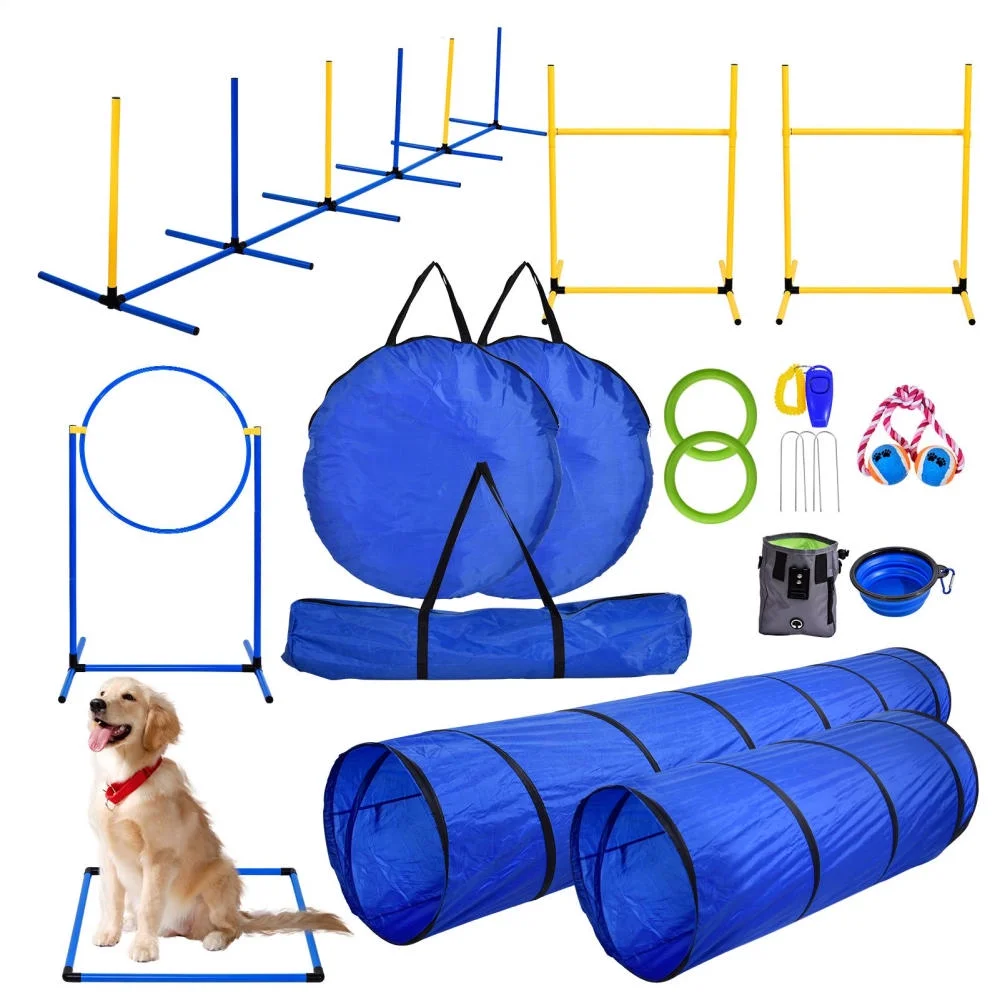
Obstacle work isn’t just about skill—it’s about setup. Luckily, you don’t need a professional agility arena to get started. A few well-chosen pieces of equipment (or a creative afternoon in the garage) are all it takes.
Recommended Equipment:
- Basic agility cones and weave poles
- Low tunnels or crawl-through tubes
- Balance platforms or sturdy planks
- Low jump bars
- A-frame or pause box
- Reward motivators (treats, tugs, or toys)
- Indoor safety mat, turf, or traction flooring
Want the easy route?
👉 Shop our Giant Breed–Approved Obstacle Gear — built sturdy, sized right, and shipped straight to your door. Everything we recommend has been curated specifically for large, slow-to-brake dogs.
Prefer to roll up your sleeves?
DIY obstacle building is a fantastic family project. PVC pipes become weave poles. Kiddie tunnels become dog tunnels. Laundry baskets turn into jump supports. If you’ve got a hardware store and an imagination—you’re halfway there.
Whether you build it or buy it, your dog won’t care. They just want to climb something.
🤣 Common Challenges & Troubleshooting
Giant breeds are many things—majestic, loyal, powerful—but “eager to follow arbitrary rules” is… not always the vibe.
Here’s what you can expect:
🐌 Issue: Your dog stares at the tunnel like it owes them money
Tip: Never force them. Toss in a treat, shorten the tunnel, or walk through it yourself (you will look ridiculous, and your dog will love that).
Some giants simply believe tunnels are optional décor.
🧍♂️ Issue: They go around every obstacle like a polite detour
Tip: Guide calmly, shorten the route, or start with super-simple tasks.
Remember: giant breeds are efficiency experts. If the tunnel has an entrance and an exit, why not just… go around?
⚡ Issue: Chaos Mode Activated
Your dog sees the course and decides it’s time for NASCAR.
Tip: Slow it down. Soft voice, gentle cues, reset often.
Obstacle work is controlled movement—not a demolition derby.
😑 Issue: Sudden existential crisis mid-course
Dog sits down. Looks at you. Decides they’re done.
Tip: End the session after a small success. Keep it short. Keep it fun. Praise generously.
💡 Remember:
When a giant breed decides something is pointless… they are unmovable. The secret isn’t force—it’s persuasion, pacing, and humor.
Lifestyle Fit for the Human
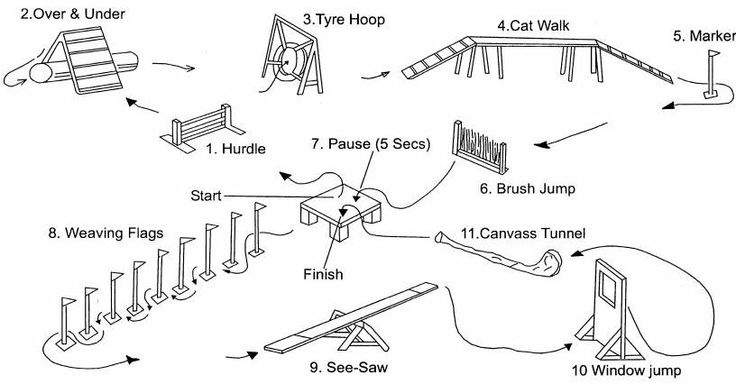
Obstacle Work isn’t just a Skill Track—it’s a lifestyle.
It suits humans who:
- Enjoy physical activity and don’t mind jogging beside 150 pounds of enthusiasm
- Love being a “coach” rather than a commander
- Find joy in creative outdoor setups
- Want a bonding activity that builds trust and teamwork
- Can laugh when their dog invents their own “improved” version of the course
If you like seeing real progress, enjoy structured sessions, and appreciate a dog who grows braver and more coordinated over time—Obstacle Work will feel deeply rewarding.
Continuing Education Goals
Once your dog has the basics down, the fun really starts. Here’s how to keep leveling up:
- Introduce formal agility cues (“weave,” “up,” “through,” “place”)
- Build backyard obstacle circuits
- Progress to higher or more complex obstacles
- Enroll in beginner agility classes
- Focus on calm, confident movement—not speed
- Try fun runs, club events, or demonstrations if your dog enjoys the spotlight
- Add scent markers or pattern chains once confidence grows
- Practice regular “walk the course” routines to build anticipation and clarity
Consistent, joyful repetition is the foundation of mastery.
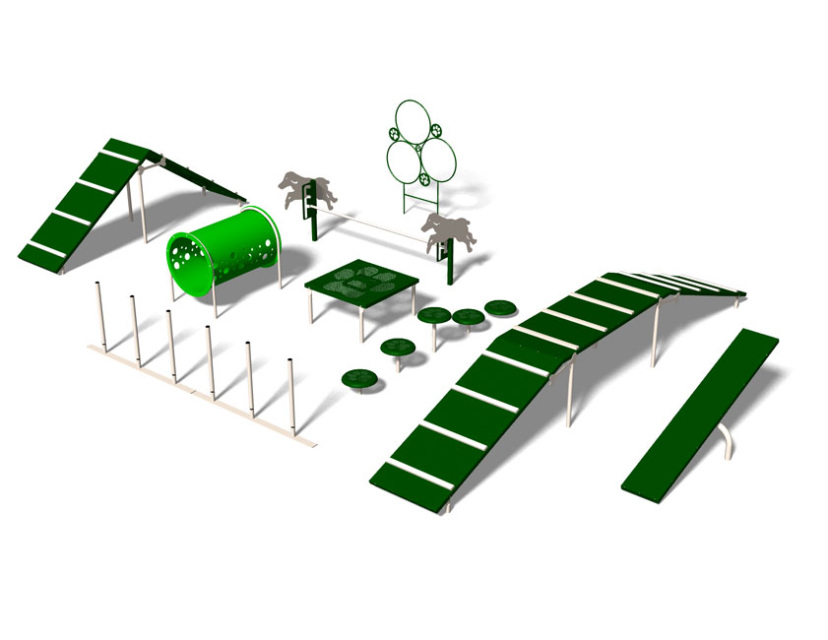
🛠️ Bonus Box — DIY Obstacle Ideas for Beginners
You don’t need fancy equipment to get started. Here’s a beginner-friendly list using things most people already have:
- Weave Poles: Yard stakes, traffic cones, or filled soda bottles
- Jump: Broom handle resting on buckets or cinder blocks
- Tunnel: Child’s collapsible tunnel or big cardboard appliance boxes
- Crawl Space: Blanket draped over chairs
- Pause Box: Painter’s tape square on the ground
- Balance Beam: Wide low plank set on bricks
- Hurdle Line: PVC pipe angled between garden pots
Safety First:
Keep everything low, wide, and stable. Let your dog explore at their own speed. Celebrate small wins—they matter.
Secret tip: If it wiggles, wobbles, or makes a funny noise, giants often assume it is haunted and needs to be avoided at all costs, remember just how brave Scooby-Doo is? Exactly that brave! Give them time.