

Anal Glands (A clear guide for giant-breed owners)
Definition
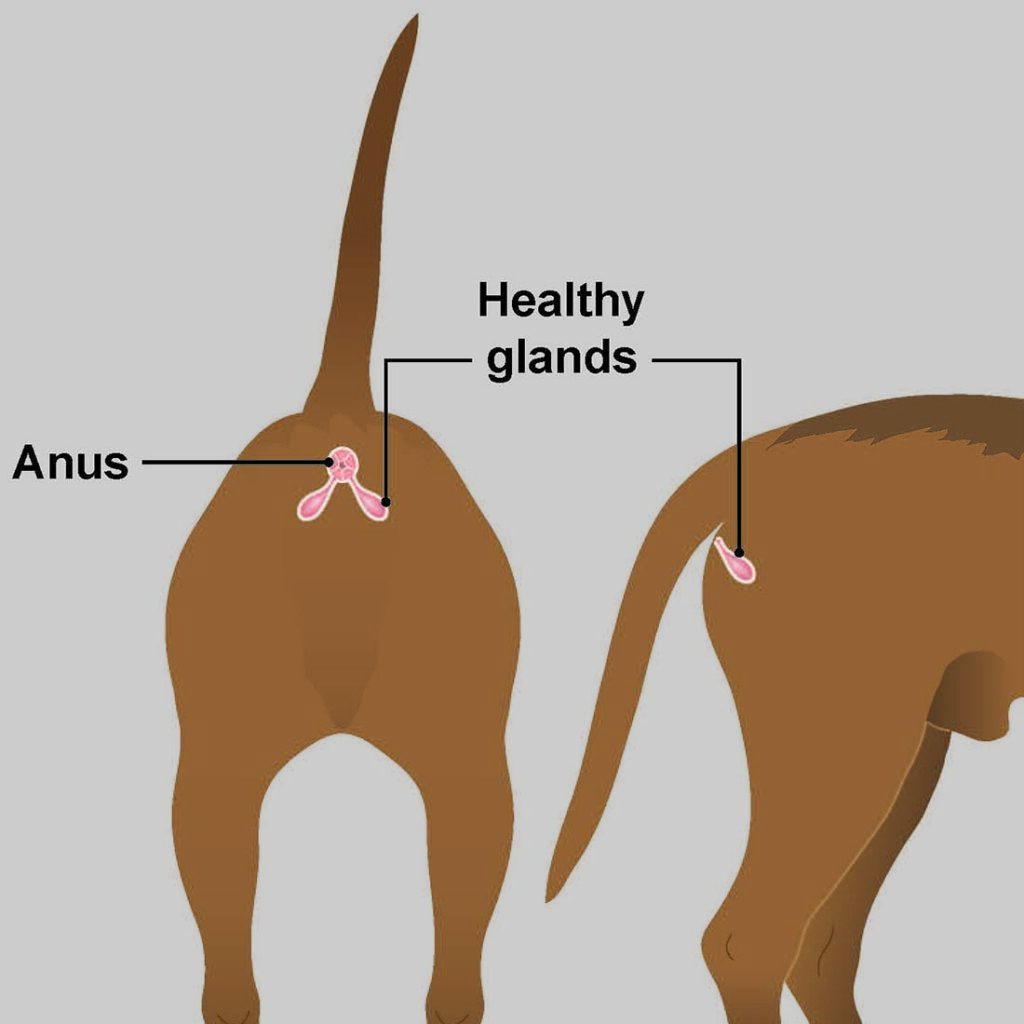
Anal glands (also called anal sacs) are two small pouches located at about 4 and 8 o’clock just inside a dog’s anus. They make a thin, oily secretion used for scent-marking and social signaling. When healthy, these glands empty naturally each time the dog passes firm stools. Problems happen when a gland can’t empty — that leads to fullness, impaction, infection or, rarely, abscess or tumor. For a giant-breed owner, recognizing trouble early matters: the size and strength of a big dog can make management or emergency handling more complicated, and a swollen sac is painful and stressful for the animal.
Symptoms

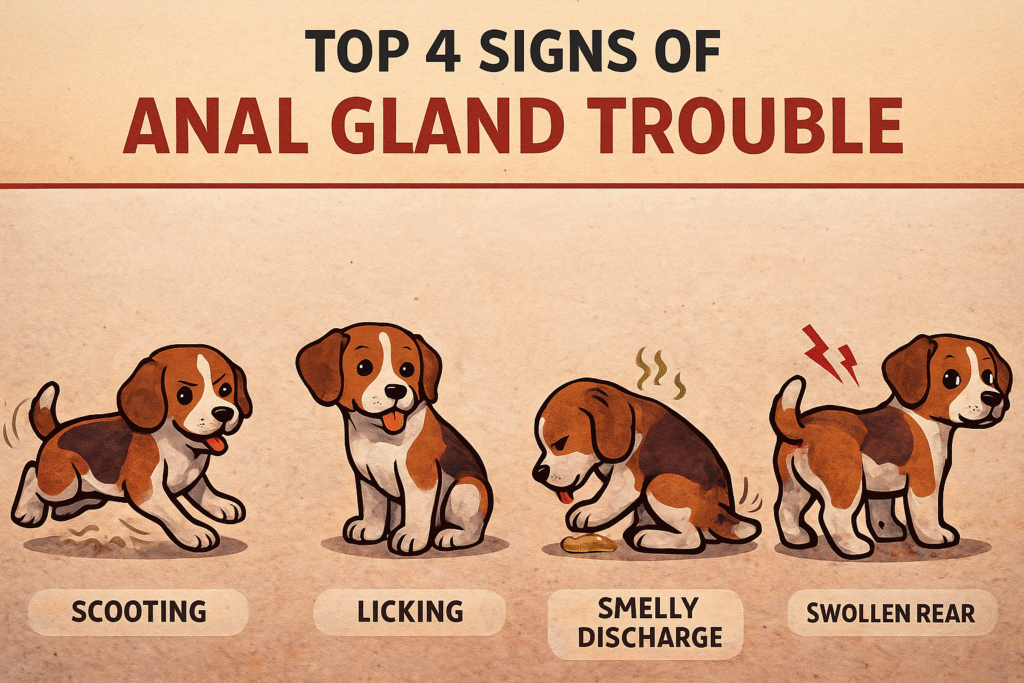
Imagine your dog after a long day: usually calm but today she keeps scooting across the lawn, licking her rear, and yelping when you try to touch her tail base. Sometimes the first sign is subtle — a damp patch on the tail base, a sudden increase in rear-end licking, or changing stool consistency. As the gland fills, the dog may show more obvious discomfort: scooting, straining to defecate, a bad — often fishy — smell, licking or biting the area, and if infection sets in, swelling or redness near the anus and possibly a clear, bloody or pus-tinged discharge. In severe cases a dog may cry out because of pain, become withdrawn, or show signs of low appetite and fever. These are not subtle problems: pain grows, behavior changes, and the dog needs attention.
Prevention
Healthy stool consistency helps the glands empty naturally. Avoid diets that cause chronic loose stools. Keep your dog at an appropriate weight and address recurring diarrhea, allergies, or skin problems that might make them lick and inflame the area. Routine grooming and a quick visual check of the rear after walks or heavy exercise will catch early signs. If your dog has recurring problems, work with your vet on a longer-term plan (diet, fiber, or medical management).
Dog Anal Glands | Vet Explains
Products to Help
There are simple, sensible items that make management easier and less stressful:
- A supply of pet-safe wipes for gentle cleaning after outdoor time.
- A stool-hardening supplement (dietary fiber like canned pumpkin or psyllium; vet-approved formulations trump random internet remedies).
- Topical antiseptic (vet-recommended) for use only when the skin is irritated or after a vet shows you how.
- A soft muzzle or gentle restraint for anxious dogs during cleaning visits — only if your dog tolerates it and you use it safely.
These tools don’t replace professional care but can keep things comfortable while you arrange treatment.
Call the Vet
Call your vet when you notice any of the following: persistent scooting, visible swelling at the rear, bloody or foul-smelling discharge, fever, or obvious pain when you touch the area. If the dog is lethargic, refusing food, or the anal area looks red, hot, or there’s a lump, call now — an abscess can develop and may require emergency care. If it’s a mild, first-time scooting episode, a same-day call is usually fine; if you see swelling, discharge, or the dog is clearly miserable, consider emergency triage.

Veterinary Treatment
Veterinary Treatment
At the clinic your vet will examine the glands and may express them manually (often after gentle sedation or local pain control). If the sac is impacted but not infected, manual emptying and a stool-softening/diet plan can be enough. If infection is present, the vet usually prescribes appropriate antibiotics and anti-inflammatories and may flush the sac. Severe or recurring disease may require surgical removal (anal sacculectomy) — effective but with potential complications, so it’s reserved for chronic, refractory cases. In abscessed sacs the vet will often lance and drain the site and give systemic antibiotics; wound care and follow-up are essential.
Home Remedies (safe, limited, and only as interim measures)
Warm compresses applied gently to the area can relieve discomfort while you arrange vet care. Adding a moderate amount of fiber (canned pumpkin or vet-recommended fiber supplement) can firm stools and help natural emptying. Avoid attempting to express a gland yourself unless a vet has shown you the technique — improper expression can cause pain, rupture, or drive infection deeper. Never use human topical antibiotics or unknown ointments without vet approval.
Home Remedies For Dog Anal Gland Smell
Risk Factors
Anal gland problems are more common in dogs with chronic soft stools or diarrhea, obesity, and those with ongoing skin allergies that cause licking and inflammation around the rear. Frequent anal gland disease can also be linked to anatomy, poor muscle tone, or repeated irritation. While small breeds tend to have higher rates of sac disease in general, any dog — including giants — can develop problems. Giant breeds that have chronic constipation or who are sedentary may develop impaction from hard, dry stools failing to press against the sacs properly.
Genetic and Breed Considerations
Some breeds show higher incidence (often small breeds), but heredity is not the whole story. In giant breeds, body conformation, coat type, and skin conditions matter more than simple breed labels. If a particular bloodline shows repeated sac disease, breeders should have that conversation with their veterinarian and consider breeding choices carefully.
Psychological Factors
Pain and discomfort change behavior. A dog with an uncomfortable or infected gland may become clingy, irritable, or defensive when a human approaches the rear area. Reassure and avoid forcing an examination — escalate to the vet rather than escalating stress at home. Conversely, repeated handling for home care (once trained and gentle) can reassure some dogs — the key is calm, consistent handling and a quiet environment.
Surgical Options
Anal sacculectomy (removal of the gland) is the standard surgical option for dogs with chronic, untreatable sac disease. It is effective, but not without risks: incontinence can occur if nerves or muscles are damaged, and healing can be prolonged if the area was recently infected. Because of those risks, surgery is chosen only after reasonable medical management fails and performed by a vet experienced with the procedure. Discuss risks, success rates, and post-op care thoroughly before consenting.
Monitoring
Keep a short log: dates of scooting or licking episodes, stool consistency, any discharge, medications given, and the vet’s actions. A pattern — recurring after certain foods or in certain environments — helps your vet tailor prevention. Weigh your dog periodically; obesity increases risk. After treatment, a follow-up visit ensures the problem is resolved and prevents recurrence.
Emergency Contacts
Program these into your phone under a clear name (or in a Notes field tied to the pet): your primary vet, nearest 24/7 emergency clinic, and a regional vet-hospital that handles surgery. If your dog is on medication or has known chronic issues, keep that list bedside for quick access.
Final Note
Anal gland problems are common, often manageable, and usually not catastrophic when caught early — but they are painful, and they escalate if neglected. For giant-breed owners, the biggest advantage you have is vigilance: regular visual checks, attention to stool quality, and early calls to your vet will keep simple issues from becoming emergencies. If you ever feel unsure, call — your vet would rather manage a small issue than treat an advanced infection.
