Why This Skill Track Exists
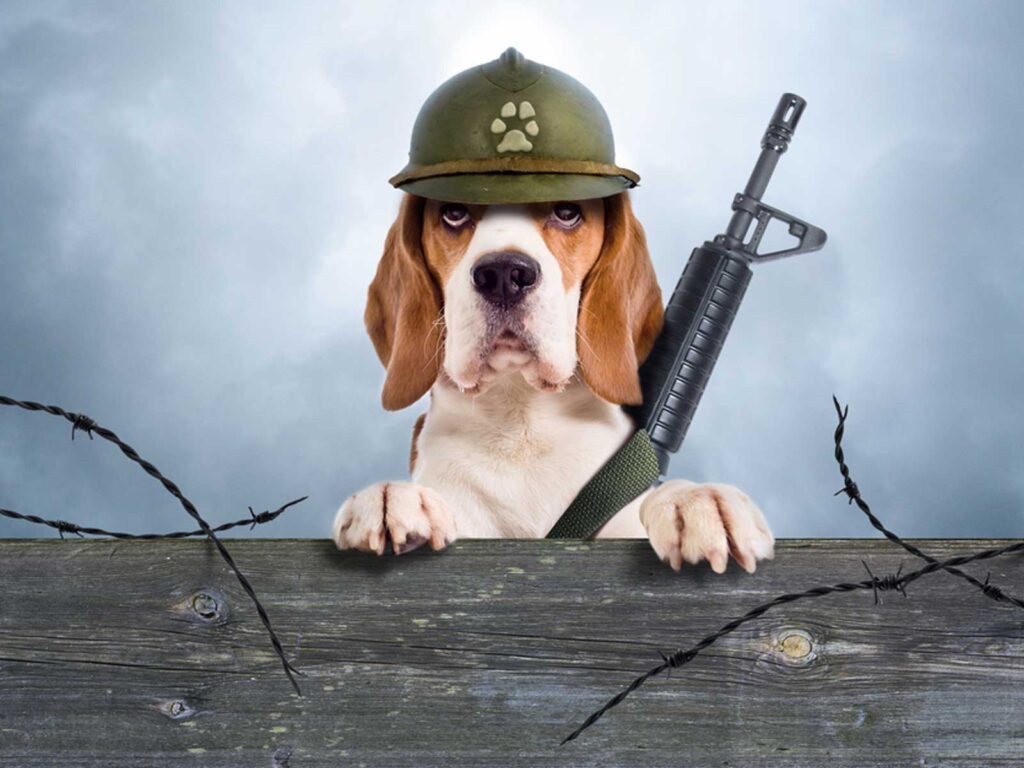
Some dogs are born to move. Others live to protect, to guide, or to solve problems—and they feel restless without a role. The Skill Tracks were built to honor that instinct. Each one offers a focused path of continuing education after the First Five and Social Code work are in place.
Protection Training exists because some dogs need more than manners—they need a mission. This isn’t about competitive trophies or social media stunts. It’s about nurturing your dog’s true nature, giving their instincts a safe outlet, and strengthening the working bond between human and giant.
When this Skill Track is done right, it develops a dog’s natural potential while refining the human’s leadership, timing, and emotional connection. It helps the owner understand what listening actually looks like—and shows the dog what being understood feels like.
And yes, Social Code matters here too. Skill Tracks don’t override temperament—they enhance it. Compatibility with your dog’s Social Code Setting determines whether this Track will be a joy… or a job.
What This Training Develops
Every Skill Track leaves a lasting mark on both dog and human. Here’s what Protection Training builds:
🦴 Physical:
- Stamina, coordination, and full-body confidence.
- Dogs learn to move with controlled power—even under pressure.
🧠 Mental:
- Pattern recognition, threat assessment, and advanced cue interpretation.
- Encourages judgment alongside response.
❤️ Emotional:
- Confidence and composure in high-stimulation scenarios.
- Strengthens the dog’s trust in their handler as a leader and partner.
Social Code Compatibility
Protection training does not create instinct — it shapes it.
Most dogs, especially giant breeds, already possess a deep, natural drive to protect their pack. Once a dog has bonded with a household, they do not see themselves as a pet standing apart — they see themselves as part of a living system. In moments of uncertainty, tension, or perceived threat, they look to their human for guidance on how to respond.
This is where the Social Code becomes essential.
Protection work only succeeds when the human understands how their dog reads the world — and how easily a single cue, tone, or hesitation can shift a dog from calm observation to decisive action. Mastery of the Social Code ensures the dog does not misread everyday situations as threats, or worse, act decisively when restraint was required.
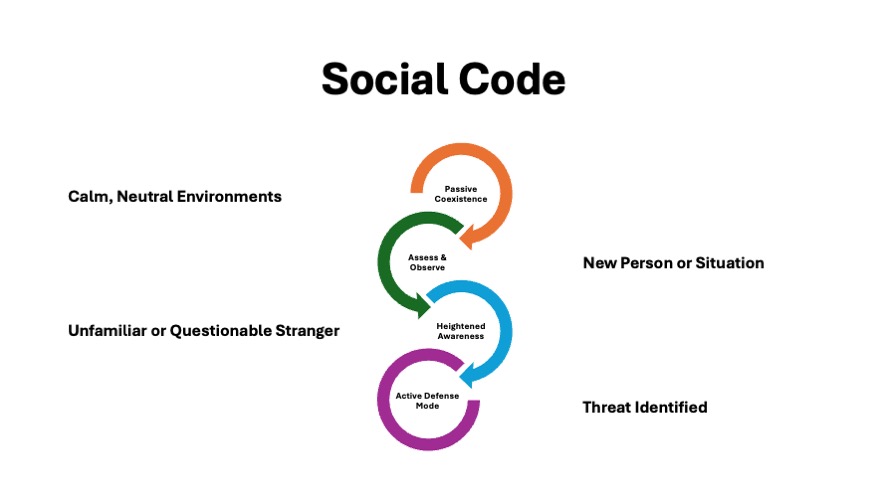
Setting 1: Passive Coexistence
(Calm, Neutral Environments)
In Setting 1, the goal is neutrality, not vigilance.
Dogs in this setting are learning that not every environment requires engagement. For protection-trained dogs, this setting prevents false positives — mistaking normal life for a reason to act.
- Dogs should remain calm, grounded, and observant without scanning for threats.
- Training emphasizes stillness, patience, and disengagement.
- Owners must be consistent with boundaries, so the dog does not invent “jobs” where none exist.
Protection training fails here when owners unintentionally reward alertness in neutral spaces. A dog that never learns to relax cannot distinguish danger from daily life.
Setting 2: Assess & Observe
(New Person or Situation)
This is the most critical setting for protection work.
Here, the dog is allowed awareness — but not action.
- The dog notices change, novelty, or unfamiliar presence.
- The human provides clear signals: observe, not engage.
- Calm posture and steady communication teach the dog to wait for instruction.
If owners are unclear or emotionally reactive in this setting, dogs may escalate prematurely. Protection training reinforces that alert does not mean act — and that leadership comes from clarity, not tension.
Setting 3: Heightened Awareness
(Unfamiliar or Questionable Stranger)
In Setting 3, protection instinct begins to surface — but control must remain absolute.
- The dog becomes watchful, grounded, and focused.
- The goal is controlled readiness, not aggression.
- Training focuses on holding position, maintaining eye contact with the handler, and awaiting direction.
This is where many misunderstandings happen. If an owner signals uncertainty, fear, or conflicting intent, the dog may attempt to “solve” the situation on their own. Protection training exists precisely to prevent that — ensuring the dog waits instead of assumes.
Setting 4: Active Defense Mode
(Threat Identified)
This setting is rare — and intentional.
- The dog responds only when a real threat is present.
- Action is guided, purposeful, and proportional.
- Immediate release and de-escalation are as important as engagement.
A dog that reaches this level without proper Social Code mastery is a liability — not a protector. True protection training ensures the dog understands not just how to act, but when to stop.
Why This Matters
Dogs do not understand laws, social norms, or human nuance. They understand signals.
If an owner does not know what they are communicating — whether asking a dog to stay calm, remain alert, or disengage — the dog will still act. It will simply act based on instinct rather than guidance.
Protection training, when built on the Social Code, transforms instinct into discipline. It keeps people safe — including the dog.
Social Code does not limit a dog’s ability.
It defines the language that keeps power under control.
And in protection work, control is everything.
⚠️ Legal & Responsibility Sidebar: Protection Training and the Law
Protection training exists at the intersection of instinct and human law — and dogs do not understand the difference.
A giant breed dog may believe it is acting correctly by protecting its pack when it senses fear, tension, or threat. But human legal systems judge outcomes, not intentions. If a dog reacts without clear guidance or exceeds what a situation legally allows, the consequences fall entirely on the owner — regardless of the dog’s motivation.
This is why control is not optional. Protection training does not give a dog permission to act independently. It teaches the human how to communicate clearly, consistently, and responsibly so the dog never has to guess what is required.
Without that control, even a well-meaning guardian response can be interpreted as dangerous or negligent — especially when the dog involved is large, powerful, and capable of causing serious harm.
Owner Legal & Safety Considerations
- You are always legally responsible for your dog’s actions, even if the dog believed it was protecting you or your family.
- Size matters in the eyes of the law. Giant breeds are often judged more harshly due to their strength and potential for injury.
- Intent does not override outcome. A protective response may still be classified as aggression or negligence.
- Poor communication creates liability. Mixed signals, emotional reactions, or fear-based cues can escalate situations unnecessarily.
- Protection training is not a substitute for control. A dog must be able to disengage immediately on command.
- Local laws vary. Some regions impose stricter penalties, insurance requirements, or restrictions on protection-trained dogs.
- Public perception matters. How a situation looks to bystanders or authorities can influence legal outcomes.
- Failure to intervene is a failure of leadership. Owners must actively manage environments, situations, and exposure.
The Core Rule to Remember
A dog should never be forced to decide what “protection” means on its own.
Protection training is not about creating a weapon — it is about preventing mistakes, protecting the dog as much as the human, and ensuring that instinct is always guided by clarity and restraint.
When done responsibly, protection training reduces risk.
When done poorly, it magnifies it.
Giant Breeds That Fit This Track
✅ Excellent Fit
These breeds are naturally inclined toward protective roles:
- Bullmastiff
- Rottweiler
- Cane Corso
🟡 Good Fit (With Modifications)
These breeds may enjoy it with pacing, motivation, or temperament considerations:
- Great Dane
- Newfoundland
- Anatolian Shepherd
❌ Not Ideal
These breeds typically don’t suit this Track due to structure or nature:
- Irish Wolfhound
- Scottish Deerhound
Always train the dog in front of you. Temperament matters more than breed labels.
Training Goals & Milestones
Protection begins long before any formal training ever starts.
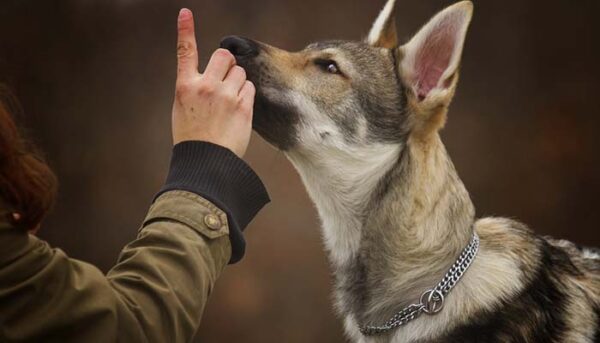
Once a dog and human have truly bonded inside a household, most dogs do not need to be taught to protect. They already understand who belongs to their pack. They already feel responsibility for shared space, shared routines, and shared safety. For many giant breeds especially, this instinct is quiet, watchful, and deeply rooted. Given the right circumstances, they will place themselves between danger and those they love — sometimes at great personal risk.
That instinct is not the problem.
Unclear guidance is.
Protection training exists not to create aggression, but to shape instinct into discernment. It gives the dog boundaries, context, and permission structures. It teaches the human how to lead without panic, how to read escalation without overreaction, and how to act as a steady anchor when the dog’s protective drive is activated. This is not about domination or intimidation — it is about partnership, clarity, and trust shared by every member of the dog’s pack.
When done correctly, protection training strengthens the bond rather than testing it.
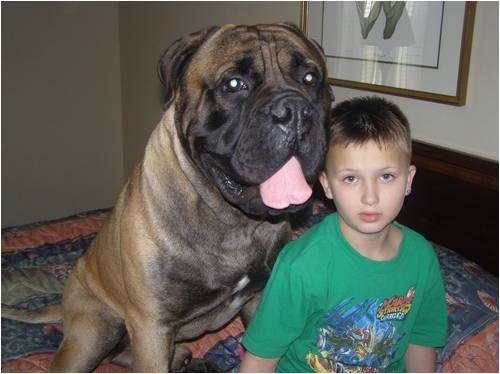
Beginner Milestones: Awareness Without Escalation
At the beginner level, the goal is not confrontation — it is control.
Dogs learn how to recognize unusual stimulus and respond in measured ways. Alert barking becomes intentional rather than reactive. Commands like “watch” and “enough” establish a clear on/off switch, reinforcing that the handler — not the environment — determines the next move. Early guard routines focus on confidence, posture, and presence rather than physical engagement.
This stage is about teaching the dog that not every concern requires action — but every concern should be communicated.
Intermediate Milestones: Engagement With Guidance
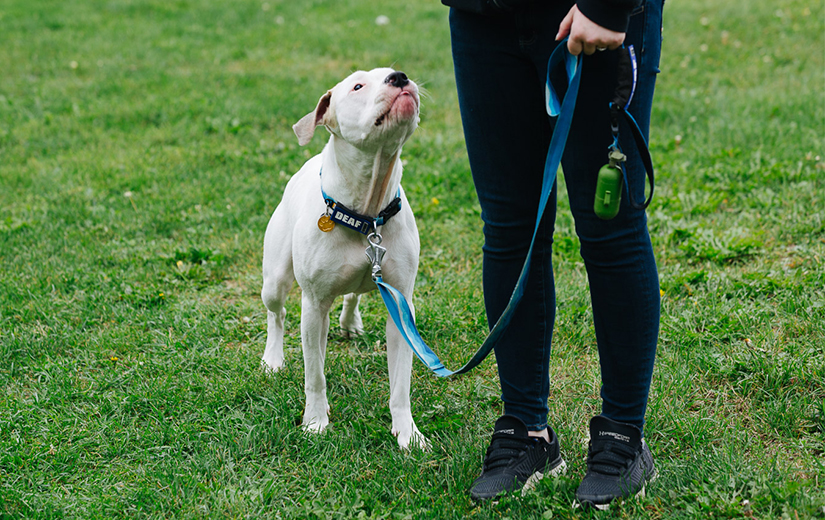
As training progresses, the dog is asked to maintain composure under distraction. Movement, noise, unfamiliar people, or environmental pressure are introduced gradually. The emphasis shifts toward handler-focused redirection — the dog learns to look to the human for instruction even when instincts are activated.
Controlled physical exercises may appear here, such as barrier work or structured push-back drills. These are not about force. They are about teaching the dog how to apply presence without losing judgment. The dog learns that restraint is strength, and that disengagement is not failure — it is obedience.
Advanced & Specialist Milestones: Precision Under Pressure
At advanced levels, protection work becomes less about intensity and more about precision
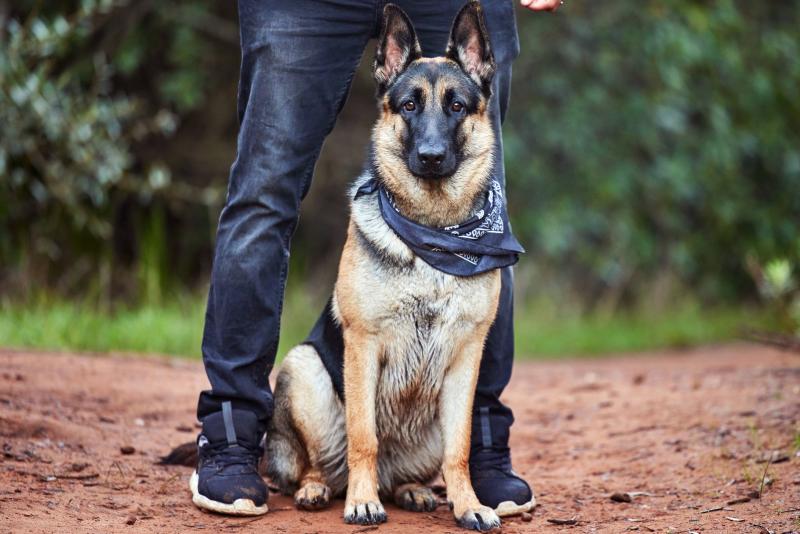
Dogs learn to differentiate between threat levels, responding appropriately to escalation rather than defaulting to maximum response. Handler protection becomes a coordinated effort — positioning, timing, and communication working as one system. Under pressure, the dog remains responsive, grounded, and emotionally regulated.
This stage demands maturity, social stability, and a rock-solid foundation in the First Five and Social Code work. Not every dog — and not every household — needs or should pursue this level.
And that’s not a limitation.
It’s wisdom.
A Final Word on Progression
Protection training is never paced by human ambition or timelines. It unfolds according to the dog’s emotional readiness, social stability, and trust in their handler. Rushing this work does not make a stronger protector — it creates confusion and risk.
When done responsibly, protection training doesn’t turn a dog into a weapon.
It turns instinct into judgment.
Power into restraint.
And loyalty into a calm, reliable presence when it matters most.
That is the real goal.
Common Mistakes & Misfits
Protection training attracts attention — and with it, misunderstanding.
This Skill Track is often chosen for the wrong reasons, by well-meaning people who underestimate both the responsibility and the relationship it demands. Before moving forward, it’s worth naming the most common missteps — not to discourage, but to prevent harm.
❌ Mistake #1: Choosing This Track Out of Fear
Some owners arrive here because they are afraid.
They hope the dog will become a shield — a living alarm system that handles danger, so they don’t have to. But protection training does not outsource courage. It builds it, together.
This Track:
- Teaches control, not dominance
- Builds confidence in the human as much as the dog
- Requires calm leadership, emotional regulation, and presence
A fearful owner asking a dog to “handle it” without guidance creates confusion — and confusion is dangerous. Protection work is not a party trick or a shortcut to safety. It is a partnership that demands growth on both ends of the leash.
❌ Mistake #2: Assuming Anxiety or Aggression Equals Protection Ability

An anxious or reactive dog is not a good candidate by default.
Fear-driven behavior looks intense, but it lacks judgment. True protection requires:
- Emotional stability
- Clear thinking under pressure
- The ability to wait as well as act
A dog that reacts to everything cannot distinguish real threats from imagined ones. Without structure, that intensity turns inward — into stress, unpredictability, and eventual shutdown or escalation.
❌ Mistake #3: Skipping the Foundations
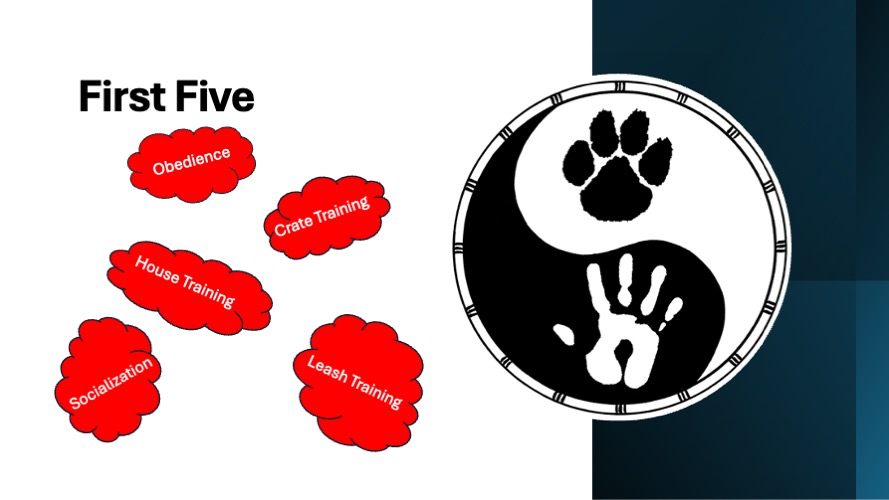
No dog should enter this Skill Track without a solid grounding in:
- The First Five (basic obedience, impulse control, handler trust)
- The Social Code (understanding when to observe, when to disengage, and when action is appropriate)
These are not optional prerequisites — they are safety systems.
Protection training magnifies whatever foundation already exists. If the base is shaky, the consequences are real. This Track should always point backward as well as forward — reinforcing earlier work, not replacing it.
❌ Mistake #4: Pushing Before the Dog Is Ready
Emotional readiness matters as much as physical maturity.
Rushing protection work can create:
- Lasting fear responses
- Misplaced suspicion
- Insecurity masked as aggression
We once took in a young Great Dane who illustrated this painfully well.
Her owner had acquired her as a puppy “for protection.” The woman was deeply afraid of men and assumed the dog’s instincts would simply activate on their own. No guidance. No structure. No training — just fear.
What she taught that puppy was not protection, but panic.
By nine months old female Dane, the Dane was over 100 pounds and terrified of men. When she came to us, she was scared out of her mind — especially of me. If I was watching tv and laughed too loud she urinated the floor. Undoing the damage took months of careful work, trust rebuilding, and re-teaching that the world a safe again.
That is not protection training. That is neglect with consequences.
When This Track Is a Misfit
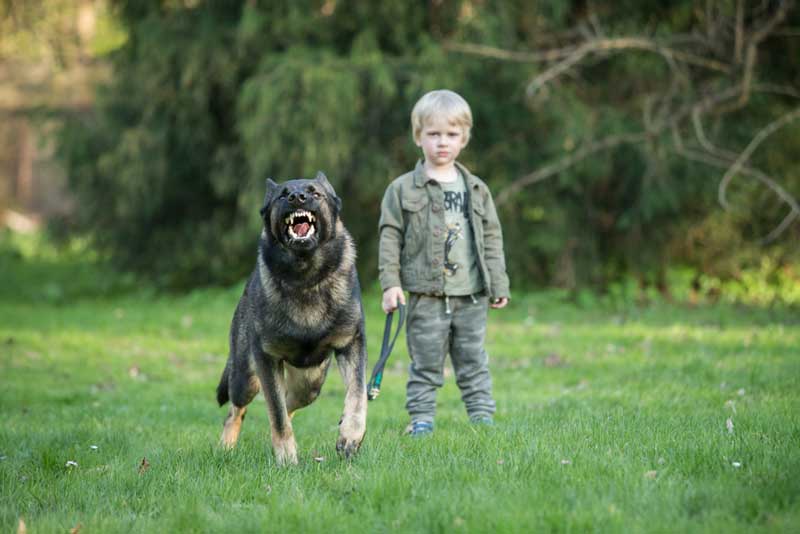
Protection Training may not be right if:
- The owner is unwilling to develop calm leadership
- The dog lacks emotional stability or foundational training
- Fear — human or canine — is driving the decision
- The goal is intimidation rather than safety and control
This Track is powerful. And power without understanding always cuts the wrong way.
Protection training, done correctly, creates a dog who is steady, discerning, and deeply bonded to their human — not a weapon, not a liability, but a guardian guided by trust.
If there is doubt, the wisest move is not to push forward —
It is to strengthen the foundation beneath you first.
And that, too, is leadership.
Lifestyle Fit for the Human
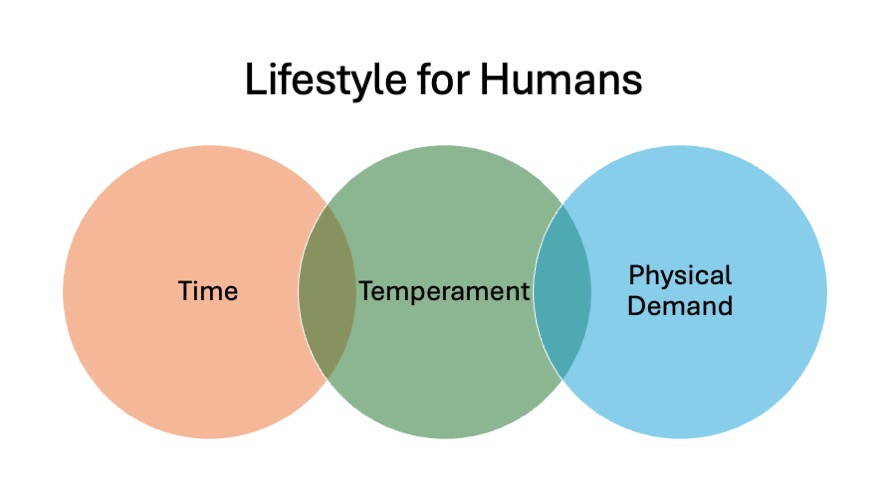
Protection training is not something you hand off and pick up later like a finished appliance. It is a living system of communication between you and your dog — and you are part of the equipment.
This Track asks more of the human than almost any other. Not because you must be physically dominant or athletic, but because you must be present, consistent, and understandable to your dog. Protection work only functions safely when the handler and dog share a clear, practiced language of cues, boundaries, and expectations.
⏱️ Time Commitment
Expect 2–4 structured sessions per week, plus daily reinforcement in real-life situations. Calm exposure work — walks, visitors, controlled environments — matters just as much as formal drills. This isn’t about drilling aggression; it’s about practicing restraint.
🧰 Space & Tools Required
You’ll need basic control tools: leashes, long lines, barriers, and access to a controlled training environment. Professional equipment (such as bite sleeves or decoys) should only be introduced under expert guidance. Most of the work, however, happens without dramatic props — in posture, voice, and timing.
💪 Physical Demand (and the Reality of Limitations)
Yes, protection training can be physically demanding — giant breeds are powerful animals. But physical strength is not the deciding factor.
What matters more is participation.
There are owners who use wheelchairs, walkers, or live with chronic illness who successfully work this Track — because they stay involved. They don’t send the dog away to be “made protective” and hope for the best. They work alongside a trainer, learn the cues, practice the handoffs, and reinforce the rules in daily life.
A dog cannot protect someone safely if they don’t understand that person’s signals.
You don’t have to run, wrestle, or overpower your dog — but you do have to communicate with them clearly and consistently. Protection training without owner involvement creates confusion at best… and danger at worst.
👤 Human Temperament Fit
This Track is best suited for humans who are:
- Calm and grounded under stress
- Focused on clarity over intimidation
- Willing to learn their dog’s language, not just issue commands
- Committed to long-term relationship-building
- Comfortable working with a professional and respecting boundaries
Protection training doesn’t turn fear into safety. It turns understanding into trust.
If you’re looking for a shortcut, this Track will frustrate you.
If you’re looking for a deeper partnership — one built on responsibility, communication, and mutual confidence — this may be one of the most meaningful paths you ever walk with your giant.
Choosing the Right Protection Trainer (For You and Your Dog)
Protection training is not something you “hand off” and pick up finished. A good trainer understands that they are teaching two nervous systems at once—the dog’s and the humans. The goal is not to create a reactive animal, but a calm, thinking partner who looks to their handler for direction under pressure. If a trainer talks more about intimidation, dominance, or “switch flipping” than communication and control, that’s a red flag. True protection work builds clarity, restraint, and trust—not fear.
What to look for in a protection trainer:
- Social Code–aware philosophy
They can explain how dogs process situations before discussing defense behaviors. - Handler-inclusive training
You are actively trained alongside your dog—not just given commands afterward. - Clear emphasis on control and release
“Out,” “leave it,” and disengagement are treated as core skills, not afterthoughts. - No rushing, no guarantees
They respect maturity, temperament, and emotional readiness—timelines are flexible. - Comfort saying “this isn’t a fit”
A good trainer will refuse a dog or owner if protection work isn’t appropriate. - Transparent methods and safety standards
You should understand why each exercise exists and what it’s meant to teach. - Experience with large or giant breeds
Size changes everything—mechanics, timing, and risk management must reflect that. - Professional accountability
Certifications, references, insurance, and a willingness to answer hard questions.
Protection training done right doesn’t make a dog dangerous—it makes them predictable, reliable, and emotionally grounded. The trainer you choose sets that foundation.
The Goods: Tools That Support Responsible Protection Training
Protection training is not about gadgets that create aggression — it’s about tools that support control, communication, and safety. The right equipment helps clarify expectations for your giant dog while protecting everyone involved in the learning process. Structured training leashes and long lines allow for distance work without losing control. Well-fitted harnesses and collars provide clear physical cues without causing discomfort or panic. Barriers, targets, and controlled contact tools (used only with professional guidance) help shape appropriate responses without forcing confrontation. Even simple items — like high-value rewards, place mats, or visual markers — play a critical role in teaching restraint, release, and focus. These products don’t replace training or judgment; they support it. When chosen thoughtfully, they help turn natural protective instinct into calm, reliable partnership rather than confusion or fear.
⚠️ Safety Note for Giant Breed Protection Training
Protection training must always be guided by knowledge, restraint, and respect for the dog’s emotional readiness. No equipment should be used to provoke fear, aggression, or stress responses, and no dog should be pushed beyond their Social Code setting or maturity level. Many tools used in protection work are training aids, not toys, and should only be introduced with proper education or professional guidance. The goal is control and clarity—not intimidation. Remember you have a 100 + pound Giant Dog they are BIG and Intimidating without anything extra and If others think you don’t have control of your Giant Baby, then in their mind your giant snuggle buddy is a threat, a menace and danger to the rest of the world. Be Responsible. When in doubt, slow down, step back, and prioritize safety for your dog, your household, and the public.
The Movie Scenario — And Why Real Life Doesn’t Fade to Black
You’ve seen this scene a hundred times. A woman escapes an abusive relationship. She rebuilds her life. She gets a powerful guardian dog — a Cane Corso, a Mastiff, a Dane — and for the first time in a long time, she feels safe. They bond deeply. The dog becomes her shadow, her comfort, her protection.
Then one day, the ex-boyfriend shows up.
The dog senses the fear instantly. Heart rate changes. Body tension. Scent. This is not theory — dogs read stress faster than humans do. To the dog, this feels like a clear threat to the pack. No commands are given. No clarity is offered. The dog does what it believes it was brought into the world to do.
It attacks.
In movies, the scene ends there. In real life, that’s where the nightmare begins.
The dog doesn’t understand what happens next. It doesn’t understand why people are screaming, why sirens arrive, or why it’s suddenly restrained, removed, or isolated. It doesn’t know that the person it bit may be legally considered a victim — even if they were abusive in the past. It doesn’t know that intent doesn’t matter nearly as much as outcome under the law.
And the owner? She is now facing questions she never imagined having to answer.
Was the dog trained?
Was it under control?
Were commands given?
Was this preventable?
Depending on jurisdiction and circumstances, the consequences can be severe:
The dog may be labeled dangerous.
The dog may be confiscated.
The dog may be ordered euthanized.
The owner may be held financially responsible for medical bills.
The owner may face civil liability — or even criminal charges — if negligence is alleged.
None of these registers to the dog. All it knows is that it protected its person — and lost everything because of it.
This is the loss of control we are trying to prevent.
Protection training is not about creating a dog that reacts faster or harder. It is about creating a dog that waits. A dog that looks to its human for direction. A dog that understands the difference between fear and command, tension and instruction, presence and permission.
Without that clarity, a giant breed dog becomes vulnerable — not powerful. Vulnerable to misunderstanding. Vulnerable to human systems it cannot comprehend. Vulnerable to punishment for instincts it was never taught how to manage.
The tragedy isn’t that the dog protected its owner.
The tragedy is that no one taught the dog when not to.
Final Thought
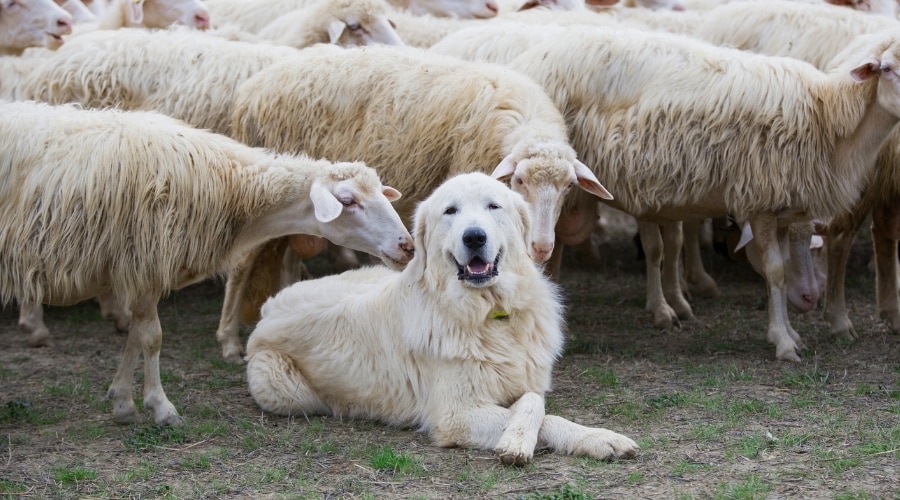
The right Protection Track doesn’t create a dangerous dog—it creates a dependable one.
When done well, this Track doesn’t make a dog more reactive. It makes them more responsive, more confident, and more tuned in to you.
It sharpens their natural drive without letting fear or confusion cloud their instincts. And it builds a bond so strong that even in high-pressure situations, your dog doesn’t just react—they rely on you.
That’s not just training. That’s transformation.
💡 Not Sure Where to Start?
Some dogs stand at the window, ears high and posture alert, scanning the yard for anything unfamiliar. Others trail behind you, quietly but always watching. And some—well, they practically announce, “Don’t worry, I’ve got this.”
If your dog has finished the First Five and you find yourself wondering whether they’re ready or just waiting, this Track may be the next step.
Ask yourself:
“Does my dog want to protect—and am I ready to lead them through that role, with trust, safety, and skill?”
If the answer is yes, you’re not just entering training.
You’re stepping into a shared mission.
Let instinct lead.
Let structure shape it.
And let the bond become unbreakable.
